By Glenn Concepcion
As the climate crisis intensifies, the communities least responsible for global emissions are often the ones facing the most severe consequences. In the drylands of Baringo County, Kenya, the Ogiek and Endorois peoples are witnessing firsthand how altered precipitation and prolonged droughts threaten their traditional livelihoods.
A study published by Mary Ng’endo and Esther Kariuki in Development in Practice suggests that the key to effective climate adaptation may not lie in top-down mandates, but in the authentic voices and Indigenous knowledge of these frontline communities.
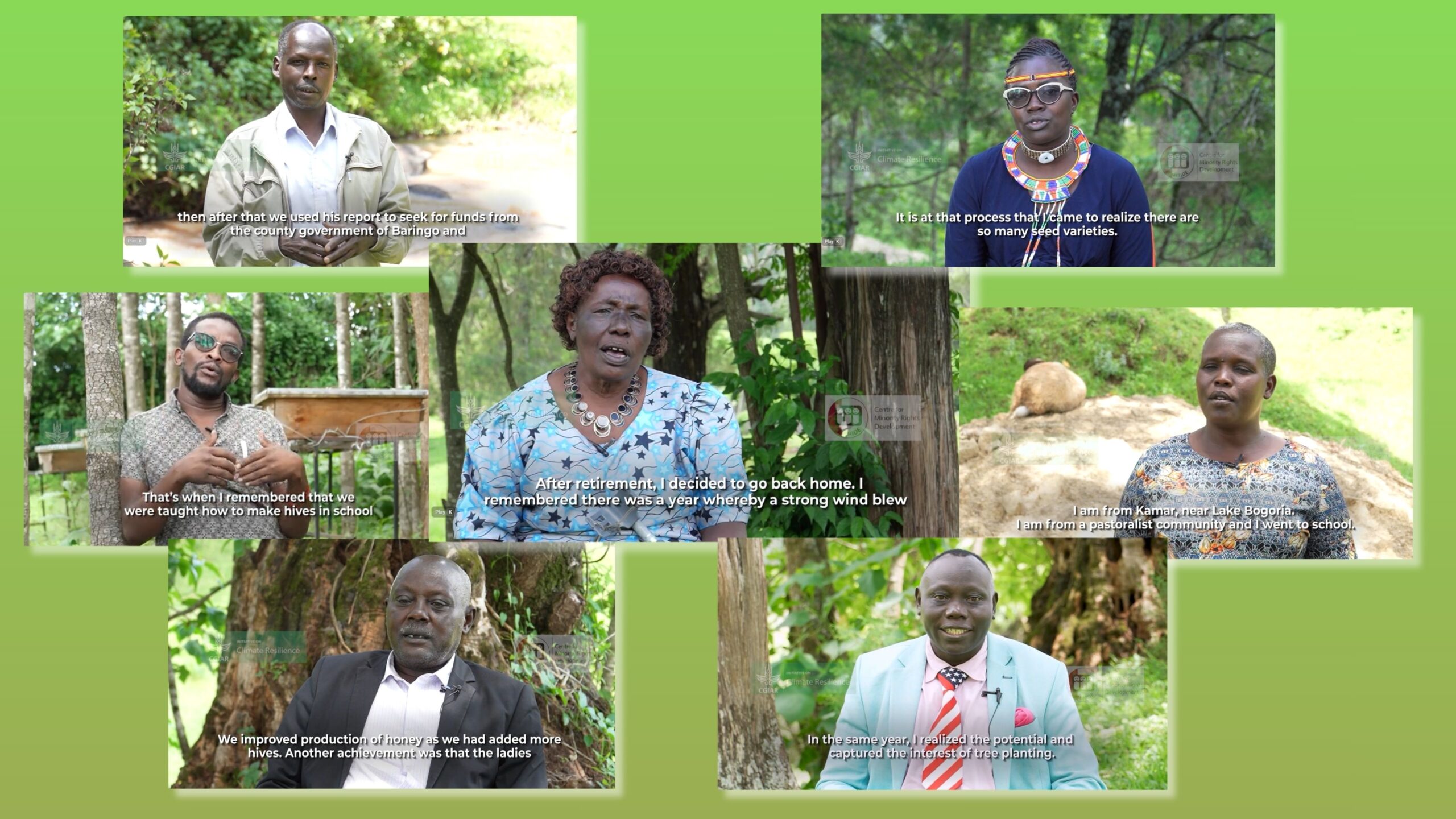
The video series project, titled “Voices of Change“, was a collaborative effort between the Centre for Minority Rights Development (CEMIRIDE) and the CGIAR Research Initiative on Climate Resilience (ClimBeR). By employing a specific framework known as public narrative storytelling, researchers demonstrated how local adaptation strategies can be amplified to influence high-level global decision-making.
The power of “Self, Us, and Now”
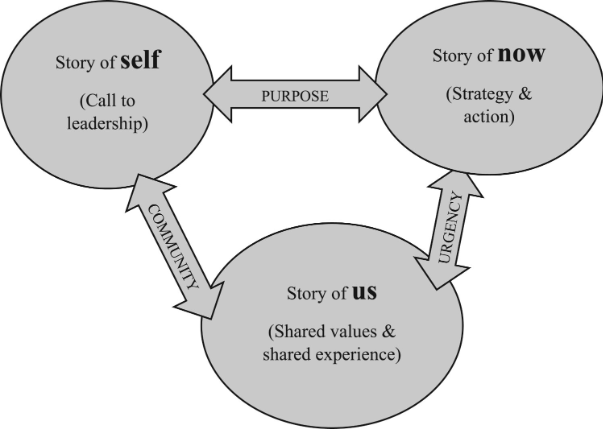
At the heart of the study is a three-part storytelling framework: the “story of self, story of us, and story of now”. Developed by Marshall Ganz, this approach moves beyond abstract principles to engage the “heart, head, and hands,” translating values into motivation and action.
• Story of Self: Participants shared their personal journeys and their “why” for championing climate causes.
• Story of Us: Narratives linked personal experiences to the shared values and goals of the broader community.
• Story of Now: Stories articulated the urgent challenges of the changing climate and provided a clear “call to action”.
The researchers argue that the language of emotion is the language of motion; by connecting personal values with relatable lived experiences, these stories have the power to move others to take substantive action.
Indigenous knowledge as a scientific asset
The study emphasizes that Indigenous knowledge, the skills and philosophies developed by societies over long histories of interaction with their environment, is a vital, yet often overlooked component of climate science. For the Ogiek, traditional forest dwellers, and the Endorois, who are agro-pastoralists, this knowledge includes everything from indigenous weather forecasting to the use of drought-tolerant crops.
By integrating these oral traditions with digital storytelling (audio-visual narratives), the project created a “decolonial approach” to citizen science. This method ensures that the people most affected by climate change are not just subjects of research, but active agents of change who own and narrate their own stories.
Four pillars of resilience
The “Voices of Change” series highlighted local champions whose work converged into four critical themes of climate resilience:
1. Beekeeping: Elderly and youth champions like Jackson Kiplagat and Kibet Kipsang shared how beekeeping can act as an economic as well as a conservation tool, providing livelihoods while protecting the environment.
2. Seed saving and indigenous crops: Young women like Judy Kipkenda are advocating for policy-level changes to protect the sharing of Indigenous seeds, while lead farmers like Jane Chepkwony demonstrate the success of intercropping pasture with drought-tolerant sorghum.
3. Indigenous trees: Julia Yegon shared how she pivoted to planting drought-tolerant species like Melia volkensii to provide shade and firewood, reducing the community’s need to exploit protected forests, while Jeremiah Kobetbet is combining tree planting and ecotourism as a tool for conservation.
4. Water conservation: Richard Kamng’oror, CEO of the Endorois Welfare Council, argued for a rights-based approach to water. His efforts to secure water access have freed up time for women and children, allowing them to pursue education and productive work.
From Baringo to the world stage
The impact of these narratives has extended far beyond the Rift Valley. The “Voices of Change” videos have been utilized as training tools for Indigenous youth, featured at the Africa Climate Summit, and presented at the COP28 conference in Dubai. In August 2023, the videos were even used to inform the National Climate Change Action Plan in Kenya, showing how local ideas can align with national and global priorities.
Ultimately, the study reveals that when researchers facilitate a space for co-learning and trust, Indigenous communities can successfully bridge the gap between local realities and remote policy-making hubs. By putting power back into the hands of those on the ground, public narrative storytelling ensures that climate science is not just for society, but with society.
Read the study:
Mary Ng’endo & Esther Kariuki (2025)
Voices of change: public narrative storytelling communicates climate resilience actions in Kenya
Development in Practice, 1–18.
https://doi.org/10.1080/09614524.2025.2581867