
Each year on International Women’s Day, we celebrate the achievements of women and renew commitments to gender equality. But the 2026 theme — “Rights. Justice. Action. For All Women and Girls” — is a reminder that celebration alone is not enough. What is needed now is structural change.
OpEd by Ranjitha Puskur, Principal Scientist (Gender and Livelihoods), International Rice Research Institute
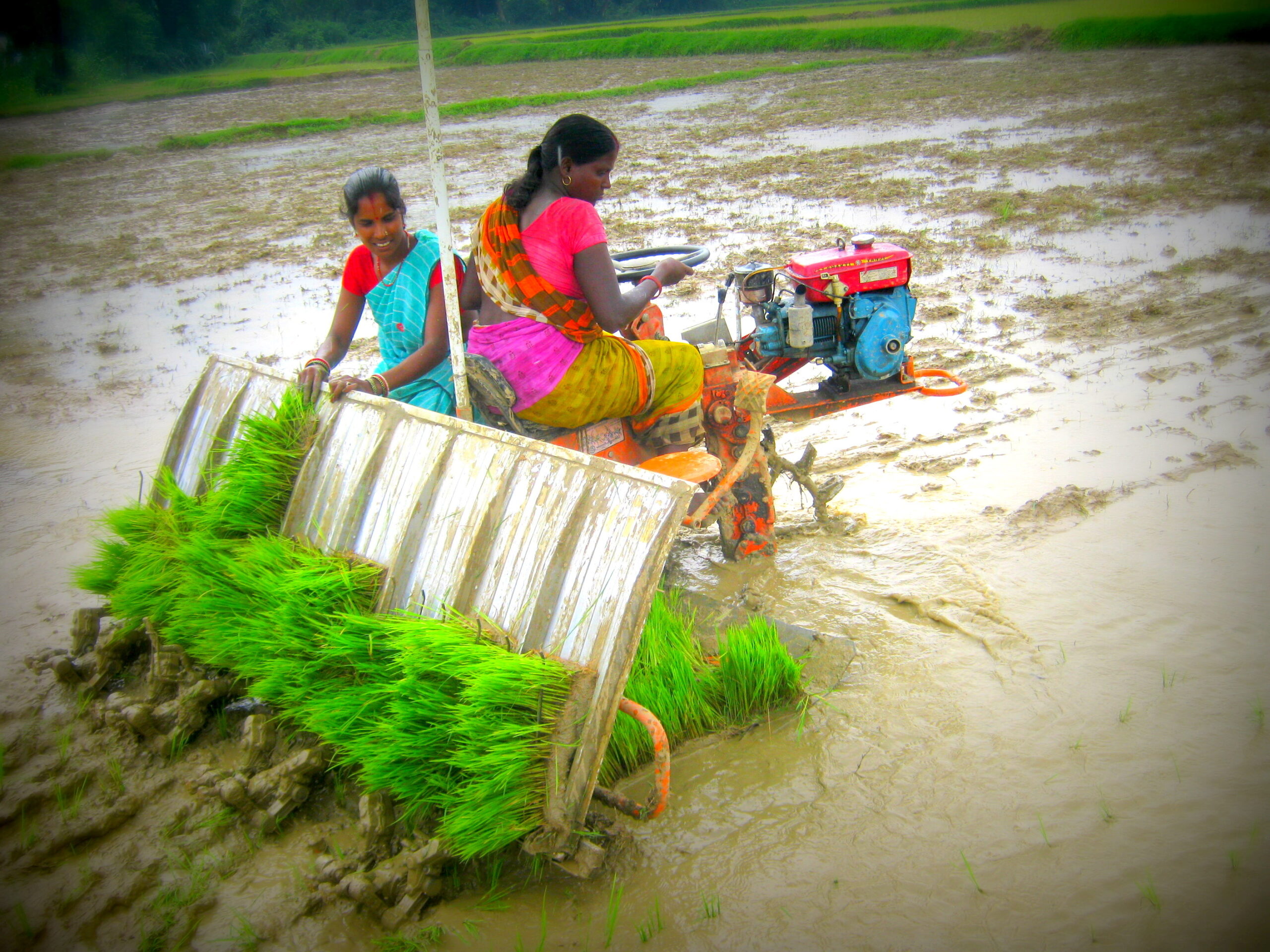
Research across food systems shows that excluding women farmers from knowledge systems, innovation networks, and climate services weakens productivity and resilience. The scale of this inequality is well documented. According to FAO’s 2023 report on The Status of Women in Agrifood Systems, farms managed by women are on average 24 percent less productive than those managed by men on farms of similar size — largely because women have less access to resources, services, and opportunities. Closing these gaps could reduce global food insecurity for 45 million people and generate nearly $1 trillion in economic gains.
These inequalities matter even more as climate change intensifies pressures on food systems. Farmers are navigating unpredictable rainfall, rising temperatures, new pest pressures, and volatile markets. Access to timely information — on climate-resilient crops, weather forecasts, soil management, and water use — can determine whether households adapt successfully or fall deeper into vulnerability.
If food systems are at the frontline of inequality, they are also a powerful opportunity for transformation. Evidence from Africa and Asia consistently shows that women farmers adopt improved practices and technologies at rates similar to those of men when they have equal access to information and inputs. In Ethiopia, for example, closing gender gaps in extension services significantly increased the adoption of improved crop varieties and soil management practices. Women farmers are not “hard to reach.” They are underserved by systems that were never designed with them in mind.
Women make up around 40 percent of the global agricultural labour force, and much higher shares in many countries. But extension systems, farmer organizations, and innovation platforms often continue to overlook them. When systems are built around male farmers, women remain peripheral beneficiaries rather than central actors.
A rights-based approach requires something different: designing agricultural innovation systems that recognize women as farmers, innovators, and leaders.
Over the past two decades, my research on gender and agricultural innovation systems including work on rice-based farming systems, climate-smart agriculture, and advisory services has shown how these structural biases shape who benefits from agricultural innovation.
Rice systems feed billions and are among the most climate-sensitive agricultural systems in the world. Important innovations have emerged in recent years such as stress-tolerant rice varieties, water-saving practices such as alternate wetting and drying, and improved crop management techniques. But technologies do not spread automatically. Adoption depends on whether farmers have access to the knowledge networks, institutions, and decision-making power needed to experiment and learn.
In many rural communities, information flows through social networks like farmer groups, trusted leaders, extension agents, and community organizations. These networks determine whether new ideas spread quickly or stall. When women are excluded from them, they are also excluded from the knowledge flows that drive innovation.
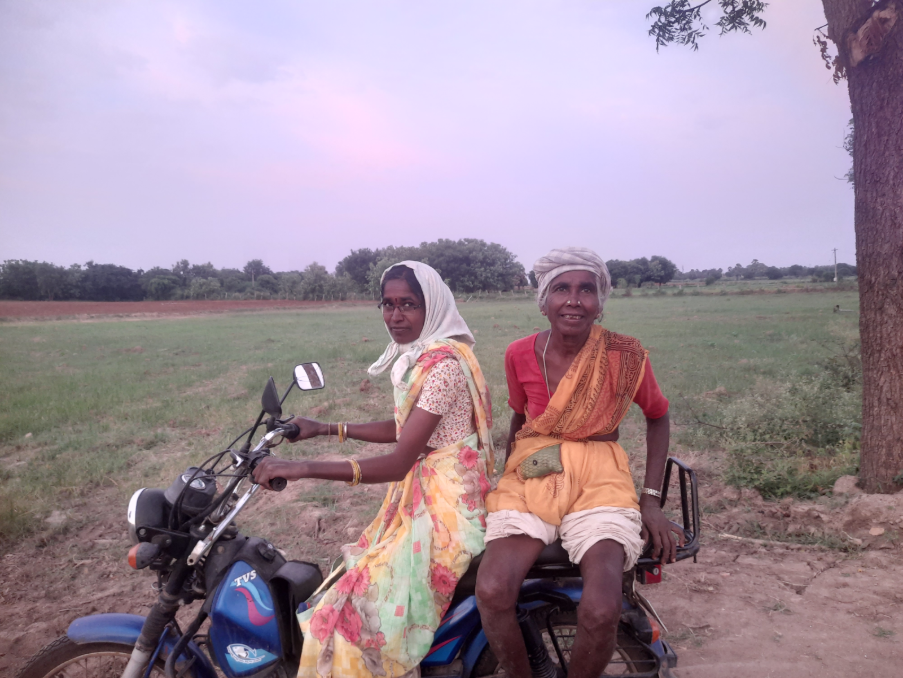
Another powerful but less visible barrier is time poverty. In many rural households, women shoulder a disproportionate share of unpaid care and domestic work such as collecting water and fuel, preparing food, caring for children and the elderly, and managing household responsibilities. These demands significantly limit the time available for agricultural training, farmer meetings, or experimenting with new technologies. As a result, women’s lower participation in agricultural programmes is often interpreted as a lack of interest. In reality, it reflects structural constraints on time.
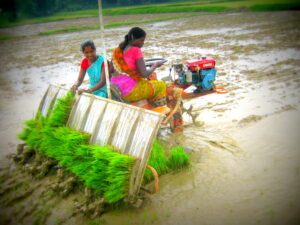
Recognizing time poverty fundamentally changes how we think about agricultural innovation. Technologies or programmes that increase labour demands without addressing existing constraints are less likely to be adopted by women. Conversely, innovations that reduce labour or save time can have transformative impacts. Mechanized rice transplanting, improved post-harvest technologies, and community childcare during training sessions are simple examples of interventions that reduce time barriers.
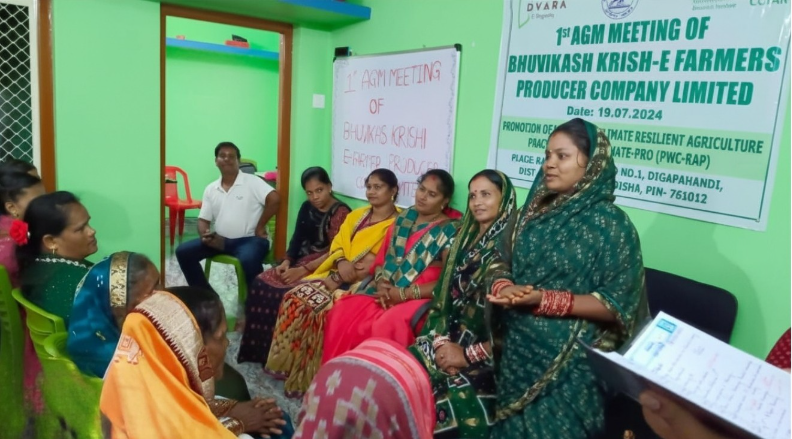
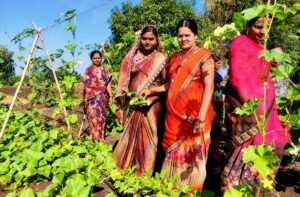
Collective approaches also play a critical role. Across Asia and Africa, women’s self-help groups, farmer producer organizations, and agricultural collectives are demonstrating what is possible. These groups create new pathways for knowledge exchange, platforms for learning, experimentation, and mutual support. They enable women to coordinate access to inputs and markets, strengthen bargaining power, and participate more actively in agricultural decision-making. They strengthen social networks, build leadership, and expand women’s influence in household and community decisions. They shift the goal from participation to power.
Land rights remain another crucial dimension. In many countries, women cultivate land but lack formal ownership or secure tenure. Without secure land rights, investing in new technologies becomes riskier, access to credit becomes more difficult, and participation in agricultural programmes can be constrained. Reforms such as joint land registration, community land certification, and inheritance reforms have expanded women’s formal land rights in some contexts. Equally important are approaches that strengthen effective control over land such as collective land leasing, group farming models, and stronger representation of women in local land governance institutions.
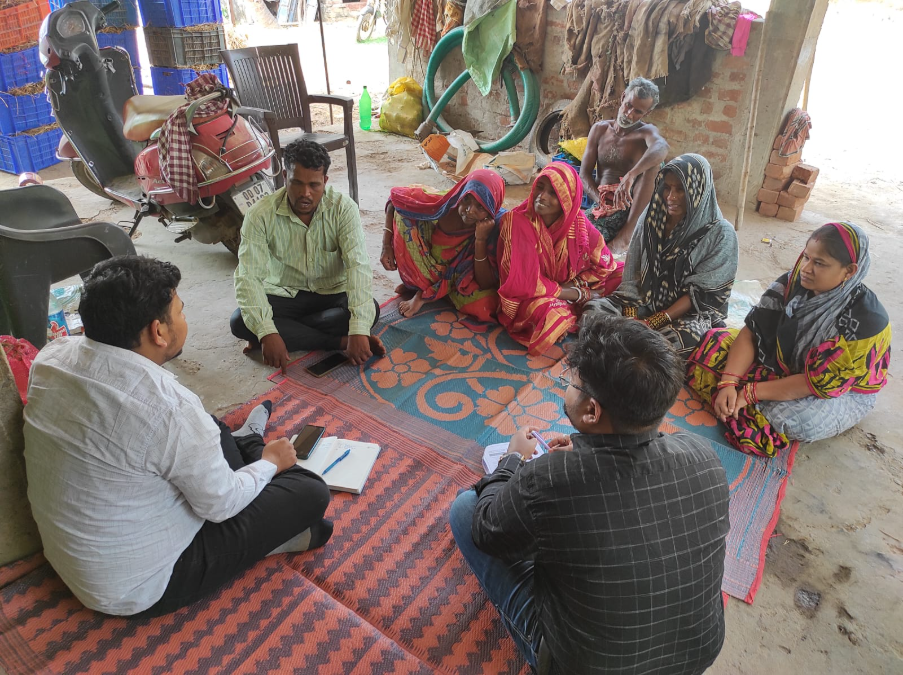
Underlying all these issues are gender norms that shape who speaks in community meetings, who controls income, and who is recognized as a “farmer.” Addressing these norms requires engaging communities, supporting women’s leadership, and designing programmes that challenge rather than reinforce inequality.
Taken together, these interventions form the kind of socio-technical innovation bundles needed to unlock the potential of millions of women farmers combining improved technologies with knowledge access, collective action, and leadership development.
International Women’s Day invites reflection on progress. But this year’s theme rightly emphasizes something more urgent: action. Scaling effective solutions will require deliberate policy and institutional choices.
Agricultural innovation strategies must go beyond technologies to address the social and institutional systems that shape adoption. Strengthening women’s access to extension services, climate advisories, and innovation networks must become a central priority. Programmes must actively address time poverty by designing labour-saving technologies and supporting collective solutions that redistribute work. Investments in women’s organizations and leadership must be recognized as essential to resilient food systems. And agricultural programmes must be built on better evidence — including gender-disaggregated data that shows who is being reached and who benefits.
We do not need more studies proving that gender inequality weakens food systems. The evidence already exists from decades of research, field programmes, and the lived experiences of women farmers. What we need now are agricultural innovation systems that act on that evidence.
The next frontier of agricultural innovation is not just better seeds or smarter technologies. It is building systems where women farmers have the time, power, and networks to use them — and ensuring that agricultural science works for the women farmers who sustain our food systems.
Ranjitha Puskur is a socio-economist specializing in agricultural innovation systems and gender. Her research is focused on mobilizing science and knowledge for innovation to result in pro-women and pro-poor developmental outcomes in Africa, South and Southeast Asia, and the Pacific. She currently leads the CGIAR Impact Platform Evidence Module and also the Gender and Livelihoods Research Program of the International Rice Research Institute.

I agree. We now need action. The time for talk is over. Women need to see real transformative change in their lives not more studies and data extraction. Transformative and inclusive socio-technical innovations are key to address the many challenges women face in agri food systems.
So beautifully articulated the gender concerns.