From laborers to leaders, women farmers can become powerful agents of climate resilience when innovations are co-designed and aligned with the realities of their local communities. IRRI shares critical insights from four case studies in India, showing that adoption of climate-smart technologies is most effective when bundled with social, institutional, and policy innovations.
By Danica Louise Sembrano, Ranjitha Puskur, Hom Gartaula, and Prama Mukhopadhyay
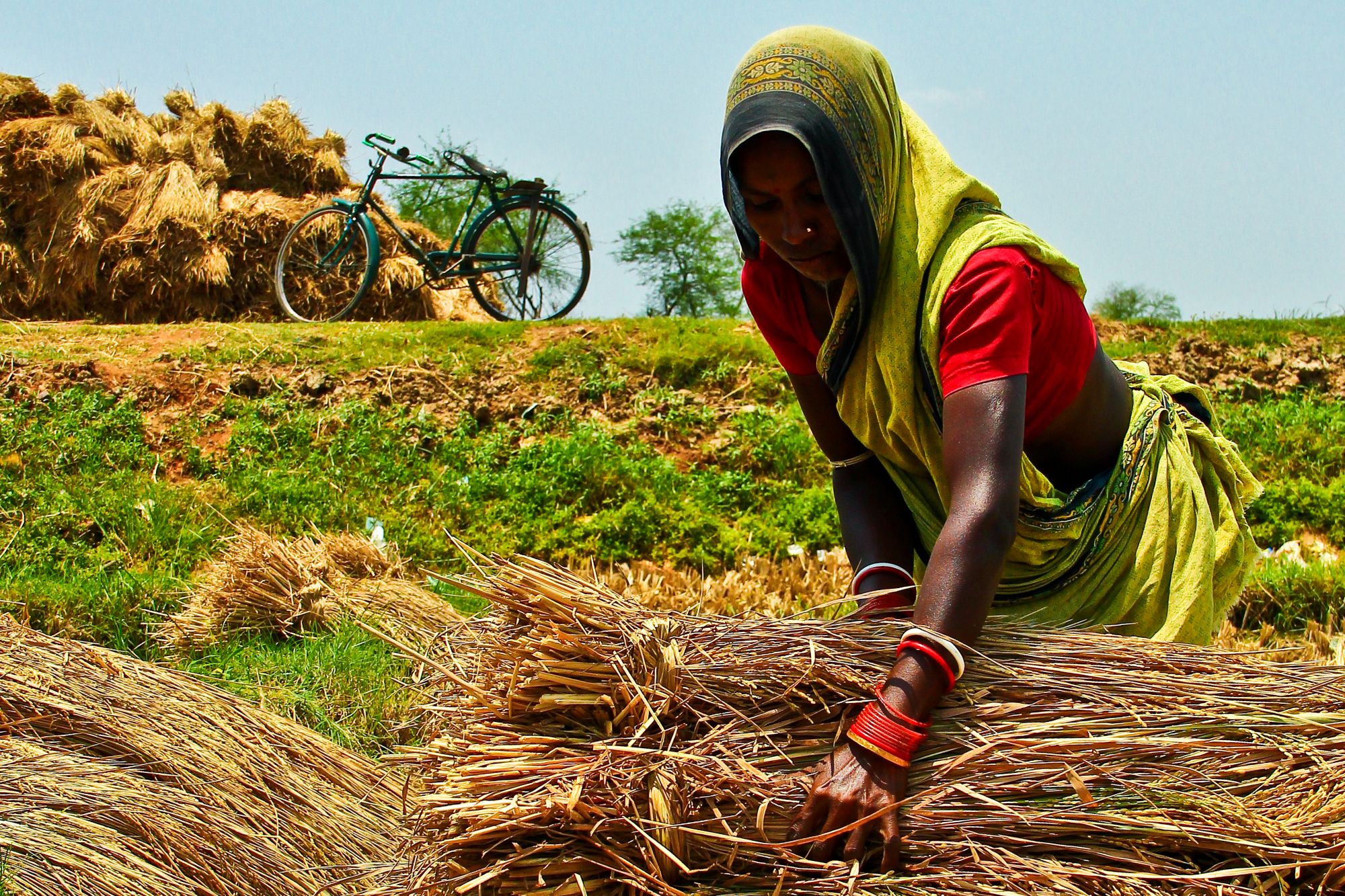
Women are the backbone of agrifood systems, making up 39.6 percent of the global agricultural workforce, according to recent FAO data. Yet, they remain among the most vulnerable demographics amplified by the escalating threats of climate change amidst gender and social inequities. While access to climate-smart technologies is critical for strengthening their resilience, current efforts in technology development and dissemination remain lacking in support of inclusive policies and institutions, perpetuating a “gender-blind” approach.
A recent analysis of four case studies in the Indian states of Gujarat, Uttar Pradesh, Maharashtra, and West Bengal by IRRI reveals that true empowerment requires a shift beyond mere technology access and toward comprehensive solutions comprising socio-technical innovation bundles, co-designed with end users in a context-specific manner.
What is a socio-technical innovation bundle?
Success stories from the four case studies show that adoption is strongest when technologies are bundled with social and institutional support.
- Technical innovations: These are tangible tools, products, or practices such as organic fertilizers, climate-resilient varieties, and water-efficient farming practices.
- Social innovations: These are the community-based strategies and behavioral interventions designed to create an enabling environment for women to adopt new technologies, such as nurturing women leaders, creating (women-led) collectives, and fostering peer-to-peer learning.
- Institutional/policy innovations: These connect women to the enabling ecosystem, to help them navigate policies like land rights or providing micro-funding through community resilience funds.
From laborers to leaders
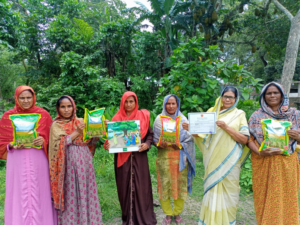
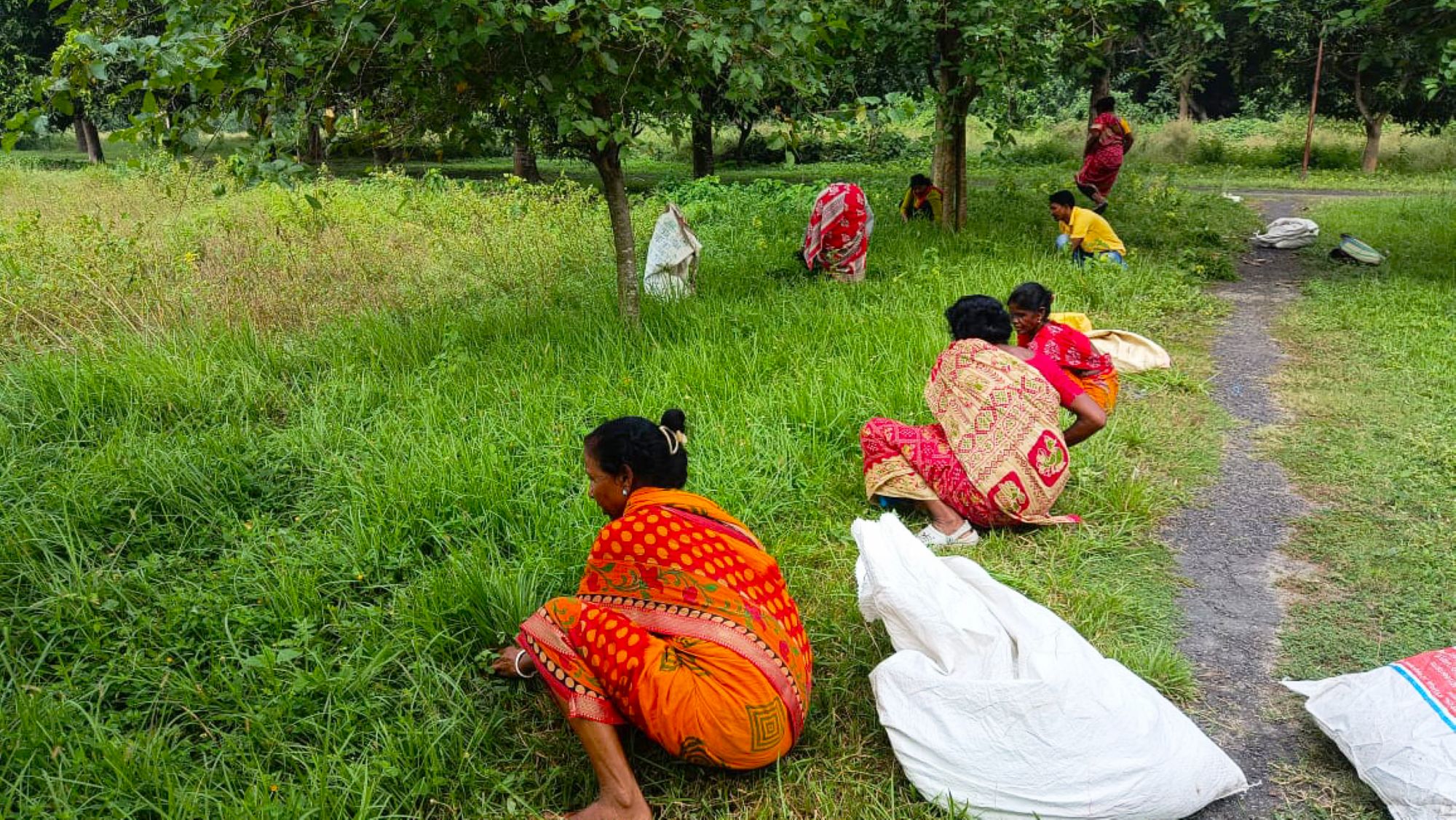
In Maharashtra, the Women-Centered Resilient Farming model demonstrated how empowerment can emerge when women are positioned not merely as ‘beneficiaries’ but as leaders. Through self-help groups, training programs, and village-level networks, women gained access to knowledge, financing, and leadership opportunities.
Some became local facilitators, connecting communities with government institutions while others diversified their livelihoods and increased their incomes through activities such as goat rearing and small enterprises. Farmers reported that the combination of technical training and social support helped them increase their monthly income by Rs 10,000 (approx. USD 104).
Similarly, in Gujarat, women were trained as community resource persons, who shared knowledge and provided technical support to other farmers. The peer-to-peer model fostered solidarity among women and increased confidence in adopting new agricultural practices. As women demonstrated positive results in their fields, their recommendations began to gain credibility within households, gradually influencing decisions that had traditionally been dominated by men.
During one of the focus group discussions, one of the community resource persons said: “Earlier, my family members thought I was just going out for a stroll when I attended meetings. My mother-in-law would often complain, saying, ‘You have too many meetings!’ One day, I took her with me, and she realized that these meetings were important and provided valuable learning” (Bhatt et al., 2024).
Sustainability meets women farmers’ realities
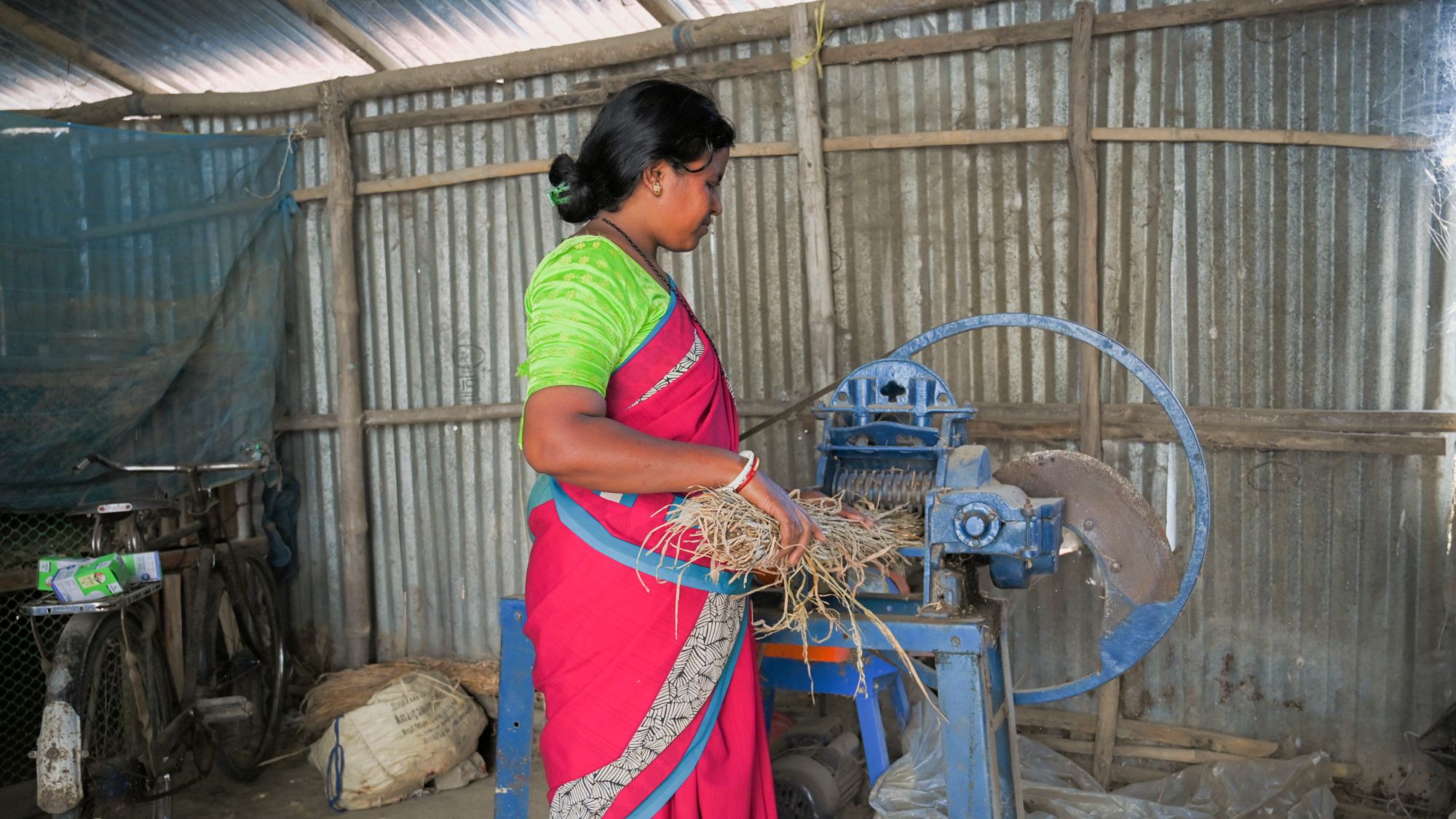
Findings also revealed important gaps in current implementation strategies. Many innovation bundles were created in an ad-hoc manner, focusing more on the technology itself than the long-term needs and daily realities of the end-users. For instance, in West Bengal, while many women were trained on expensive machinery for zero tillage and rice transplanters, only a tiny fraction continued using them because they couldn’t afford the rental or purchase costs.
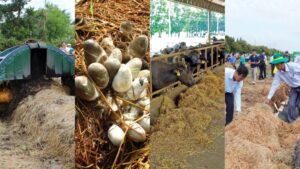
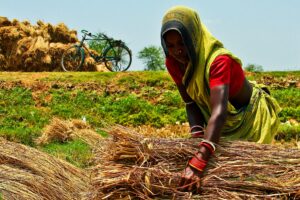
Most strikingly, IRRI’s analysis highlighted concerns over the pervasive burden of unpaid care work. Approximately 60% of projects aimed at empowering women may inadvertently make their lives harder by adding new agricultural tasks without reducing their household chores. For instance, some practices like preparing organic vermicompost can be much more labor-intensive than traditional methods.
This challenge is particularly felt most deeply where male migrate out for work, often linked to climate stress, leaves women to manage land, family care, and household responsibilities with very little external support. Therefore, programs that work with women must recognize the weight of this unpaid care work and the resulting time poverty, and provide the support structures needed to genuinely reduce, redistribute or compensate that labor.
Moving towards co-design
IRRI researchers emphasized that women’s empowerment and lasting social change require engaging with men, boys and community leaders to influence restricting gender norms and attitudes, valuing and blending indigenous knowledge with formal science, and building an enabling ecosystem based on a sound understanding of gendered and social dynamics related to labor, time use, mobility, and decision-making power before any technology is introduced.
By placing communities and end-users at the center of decision-making and building these enabling systems, innovations can move beyond simply securing yields to building a truly resilient and equitable agri-food system that works for women. Moving away from the top-down “technology transfer” model towards co-designed socio-technical bundles, will intentionally tackle the social and institutional barriers that have historically constrained women farmers from reaching their full potential as leaders in dealing with climate change and equitable development.
Read more about this study: Making climate-smart technologies work for women farmers: insights from cases of bundling innovations in India.
Sources:
- Bhatt R., Das B., Rajpal P. S., Ghosh A., and Zaidi M. (2024). Socio-technical innovation bundles for enhancing women’s resilience and empowerment: A case study of Utthan’s interventions in Bhavnagar District, Gujarat, Delhi
- Mukhopadhyay P., Chadha D., Gartaula H.N., Banerjee M., and Puskur R. (2026) Making climate-smart technologies work for women farmers: insights from cases of bundling innovations in India. Front. Sustain. Food Syst. 10:1648400. doi: 10.3389/fsufs.2026.1648400