
By Glenn Concepcion
As the global population marches toward an estimated 10 billion by 2050, the EAT-Lancet Commission has called for a radical transformation of food systems to enable “planetary health diets”. While the scientific community is working towards a consensus on the necessary dietary shifts, the practical how of changing human behavior remains largely elusive. This challenge is particularly acute in South Asia, where the triple burden of malnutrition (the coexistence of chronic hunger, micronutrient deficiencies, and diet-related noncommunicable diseases) continues to persist.
In a recent invited plenary lecture at the 50th Anniversary Congress of the European Association of Agricultural Economists (EAAE) in August 2025 and published in the European Review of Agricultural Economics, a team of researchers from the International Rice Research Institute (IRRI), led by Matty Demont, Jhoanne Ynion, Marie Claire Custodio, and Arindam Samaddar, demonstrated a novel approach to influencing dietary patterns. Indian diets tend to be rich in starch and relatively poor in proteins, fruits, and vegetables. By utilizing a specialized digital tool and behavioral “nudges,” the researchers were able to successfully influence low- and middle-income households in West Bengal, India, to transition toward more protein-dense diets.
What, when, and why we eat
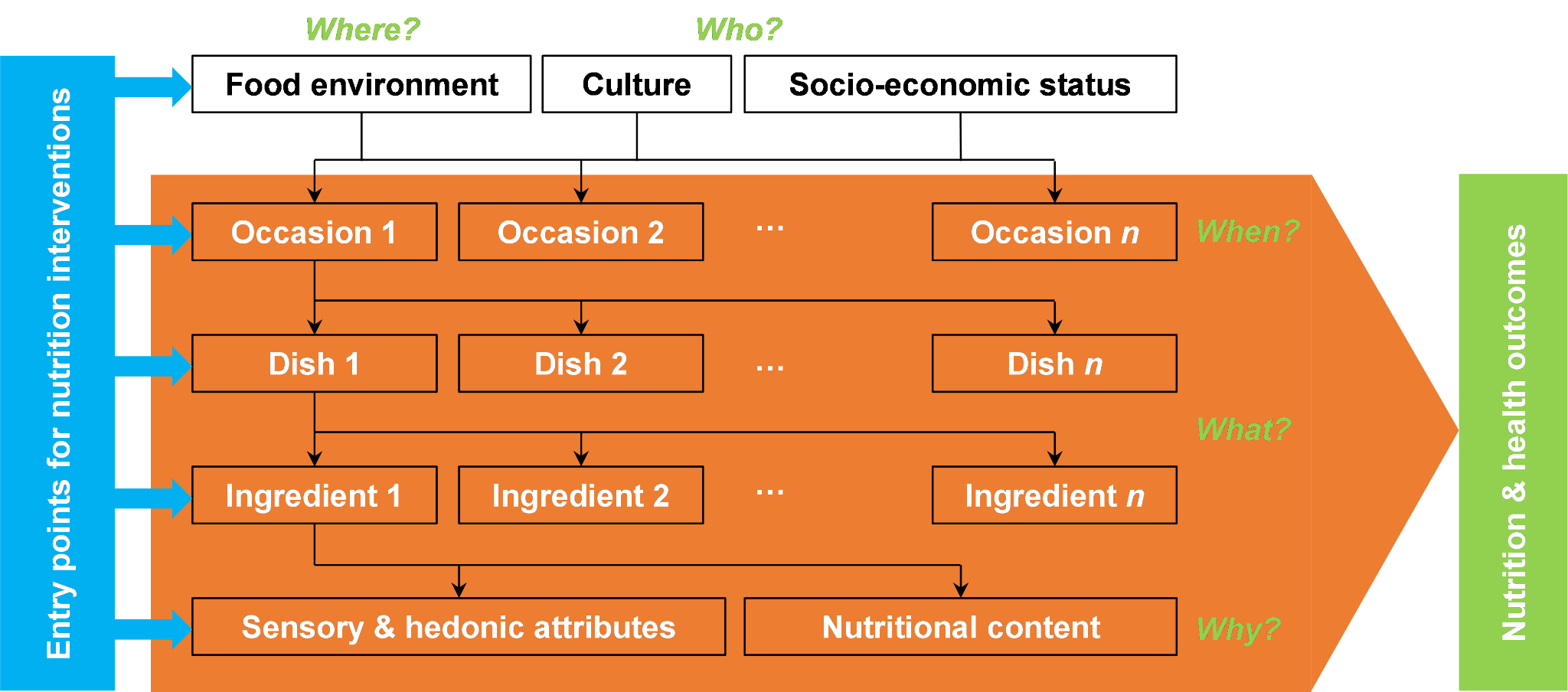
Traditional nutrition programs often fail because they overlook human behavior, assuming people prioritize nutrition when often the driving goal is to maximize pleasure. To counter this, the research team utilized the Gastronomic Systems Research (GSR) framework, an approach that seeks to decode the “black box” of cultural norms, rituals, and traditions that influence what, when, and why people eat.
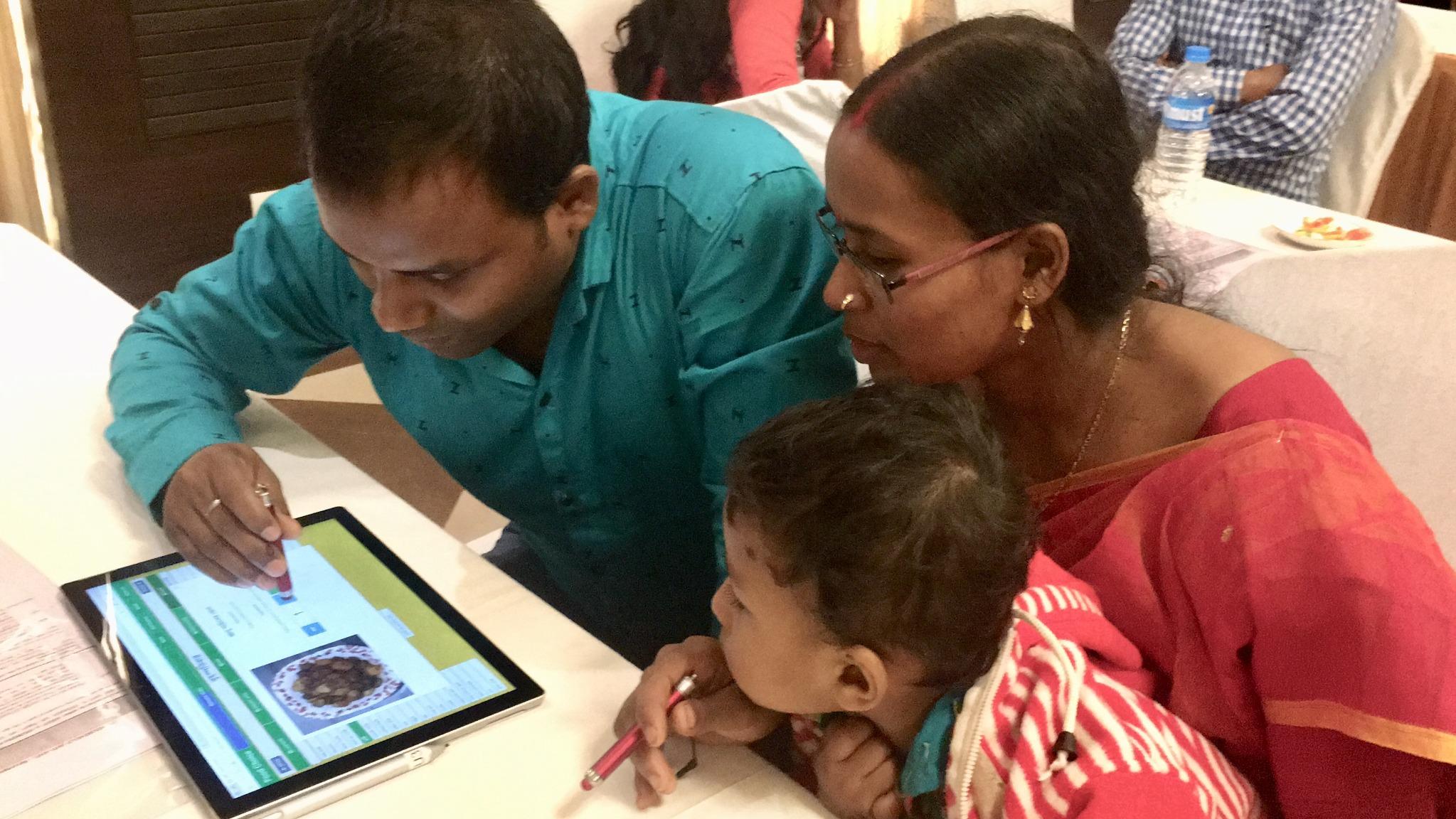
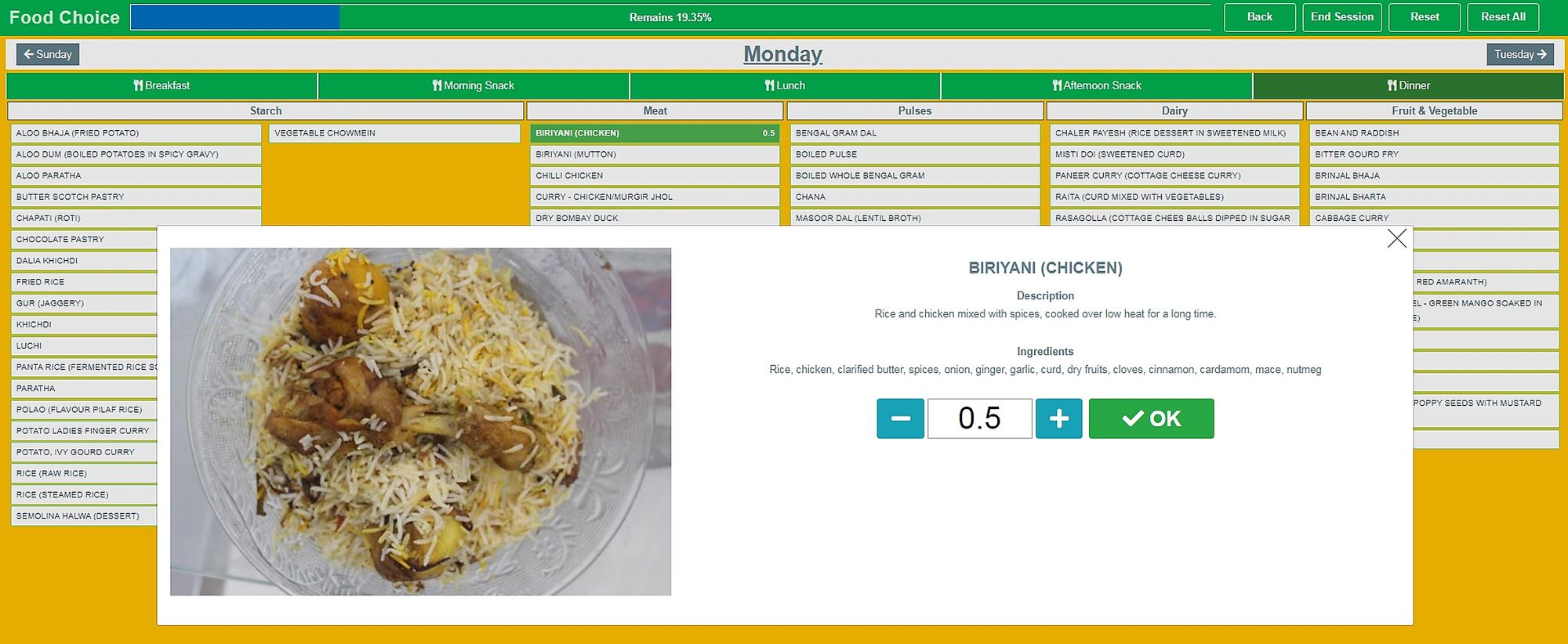
At the heart of their experiment was the Food Choice App (FCA), a digital tool developed by IRRI. The app simulates a digital food environment where respondents plan a weekly diet for their household. Featuring 162 unique Bengali dishes across five eating occasions over seven week-days, each dish is meticulously standardized for nutritional content and cost. Respondents interacted with the app on tablets, managing a randomized food budget represented by a real-time “budget bar”.
Nudging toward healthier habits
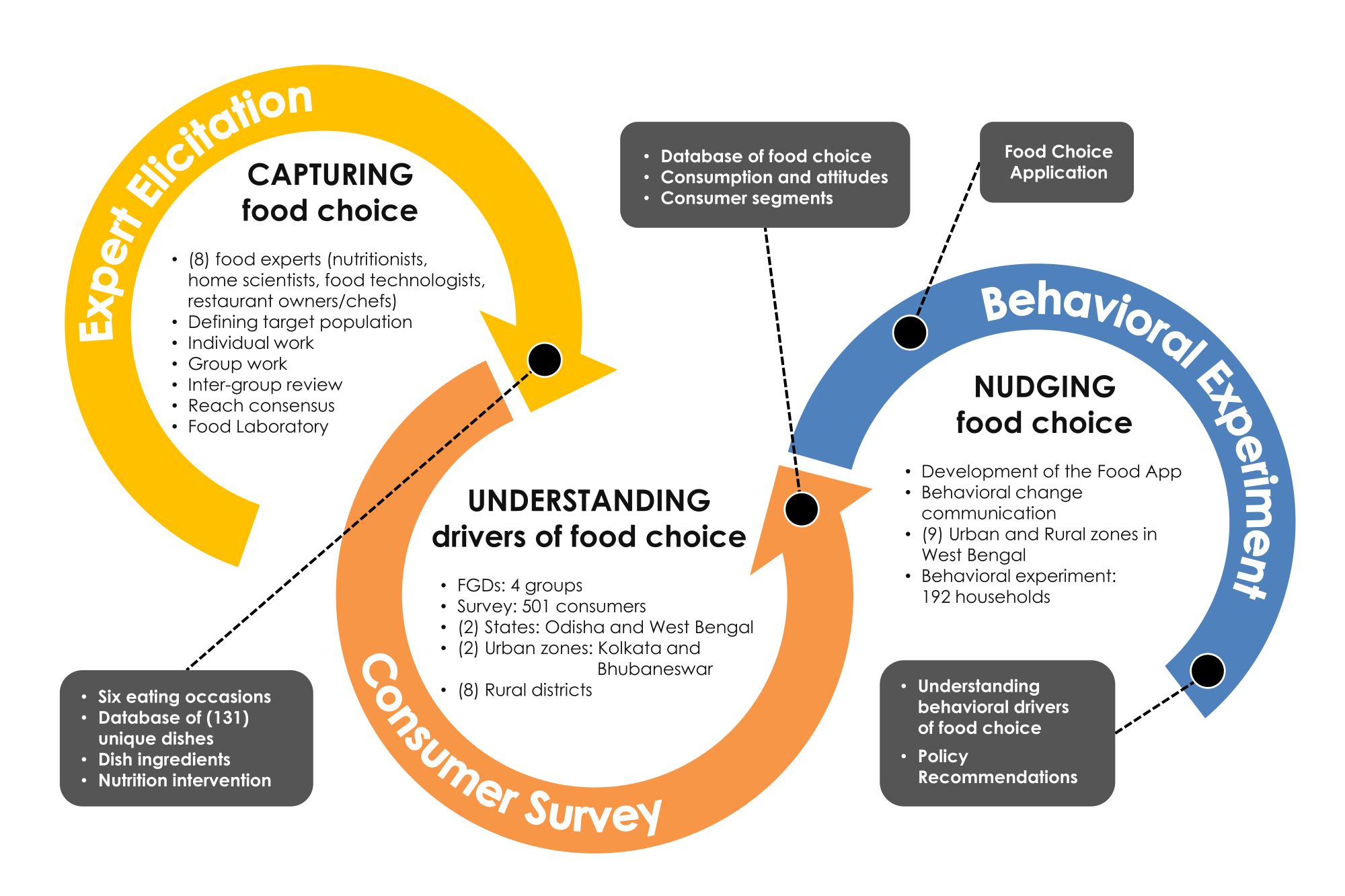
Conducting a study across 192 households in West Bengal, the researchers assigned participants to either a control group or one of three incremental Behavioral Change Communication (BCC) treatments. These treatments consisted of video broadcasts featuring a renowned local nutritionist Anindita Ray (Chakravarti), who delivered “nudges” at different levels of the gastronomic system:
• Level 1 (Ingredients): Encouraging the substitution of unhealthy with healthy ingredients (e.g., white bread with brown bread, animal protein with plant protein like pulses).
• Level 2 (Dishes): Encourages replacing unhealthy with healthy dishes (e.g., poori with paratha) and promoting dietary diversity.
• Level 3 (Occasions): Promoting healthy eating habits by better planning of food consumption across daily eating occasions (using the slogan: “Breakfast like a king, lunch like a prince, and dine like a pauper“).
The study found that while budget constraints remain the primary driver of carbohydrate-heavy diets (leading families to prioritize starch and pulses), the BCC nudges were able to successfully increase the protein density of planned diets.
Factors influencing food choices
The research design allowed the team to observe intrahousehold dynamics. Husbands and wives first planned diets individually and then worked together to reach a consensus. These joint sessions involved extensive discussions, sometimes led to spirited negotiations where couples battled for culinary preferences over touchscreen dominance.
The findings highlighted that women’s empowerment was a critical lever for nutrition. Wives generally planned diets with higher protein density and lower calorie counts than their husbands. They also tended to save a higher share of the food budget (18% vs. 11% for men). Interestingly, women showed significantly more trust in nutrition labels (44%) than men (19%).
However, the study also uncovered a surprising paradox: higher education among women was associated with increased starch consumption and lower dietary protein density. This finding suggests that it may be due to the high opportunity cost of time, as educated women may opt for easy-to-cook starchy foods or processed items over time-consuming vegetable preparations.
Despite the success of the nudges, the researchers identified “cultural inertia” as a significant hurdle. While the BCC treatments successfully shifted calories from lunch toward morning snacks, households were generally unwilling to sacrifice their dinner. In West Bengal, dinner is culturally viewed as the most important family eating occasion.
Understanding behavior to shape healthier food choices
The research showed that the FCA can be a powerful, cost-effective tool for pretesting nutrition policies before large-scale implementation. By understanding the systemic drivers of food choice, from ingredients to dishes to eating occasions, policymakers can design more effective interventions.
As global food systems transform, research that deep-dive into human behavior can help provide a data-driven roadmap for navigating the complex interface between culture, economy, and health, ensuring that the diets of the future are both sustainable and culturally resonant.
Read the study:
Matty Demont, Jhoanne Ynion, Marie Claire Custodio, Anindita Ray (Chakravarti), Arindam Samaddar, and Suva Kanta Mohanty
Nudging consumers toward healthier diets: Evidence from the Food Choice App in India
European Review of Agricultural Economics, Volume 52, Issue 4, September 2025
https://doi.org/10.1093/erae/jbaf057