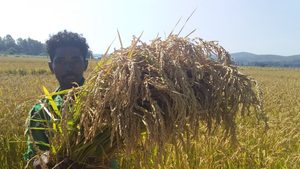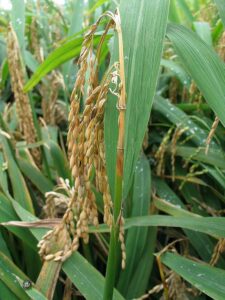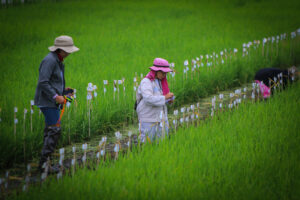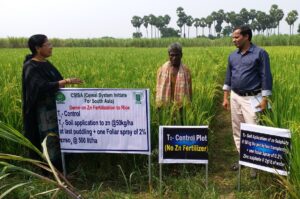
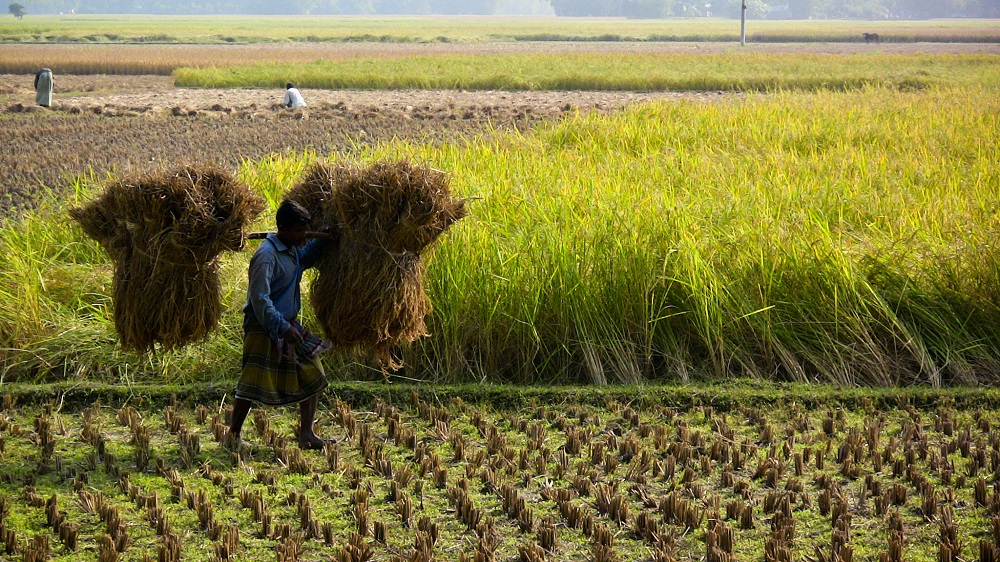
by Niaz Md. Farhat Rahman, Waqas Ahmed Malik, Md. Shahjahan Kabir, et al In rice, there has...
food security
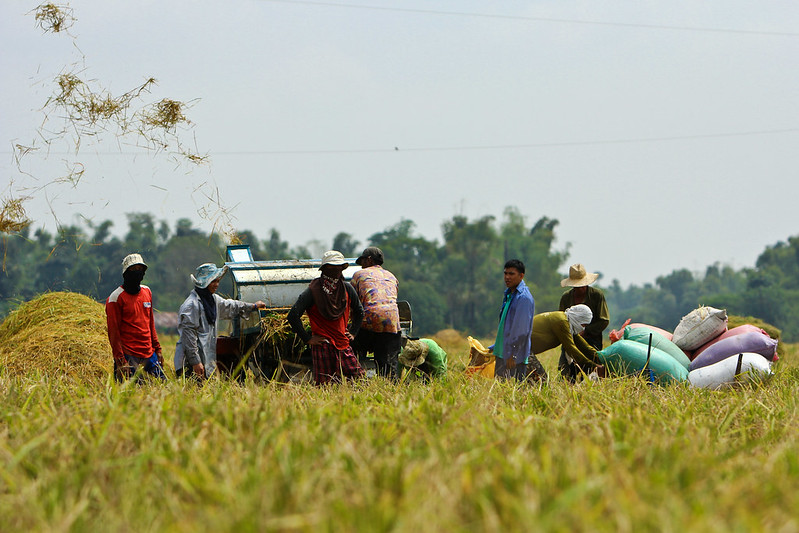
by Kei Kajisa, Piedad Moya, and Fe Gascon The Central Luzon Loop Survey in the Philippines (the...
by Kofi Britwuma and Matty Demont Although several initiatives to reduce food production deficits and increase net...
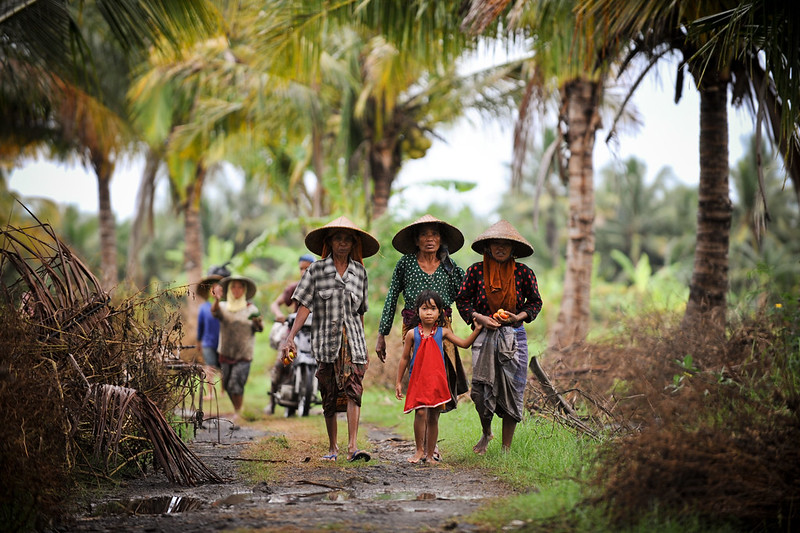
by Erythrina Erythrina, Susilawati Susilawati, Slameto Slameto, Made Delly Resiani, Forita Dyah Arianti, Jumakir Jumakir, Anis Fahri,...

Compared to the high cost of labor and inputs for the transplanted rice cropping system, the improved...
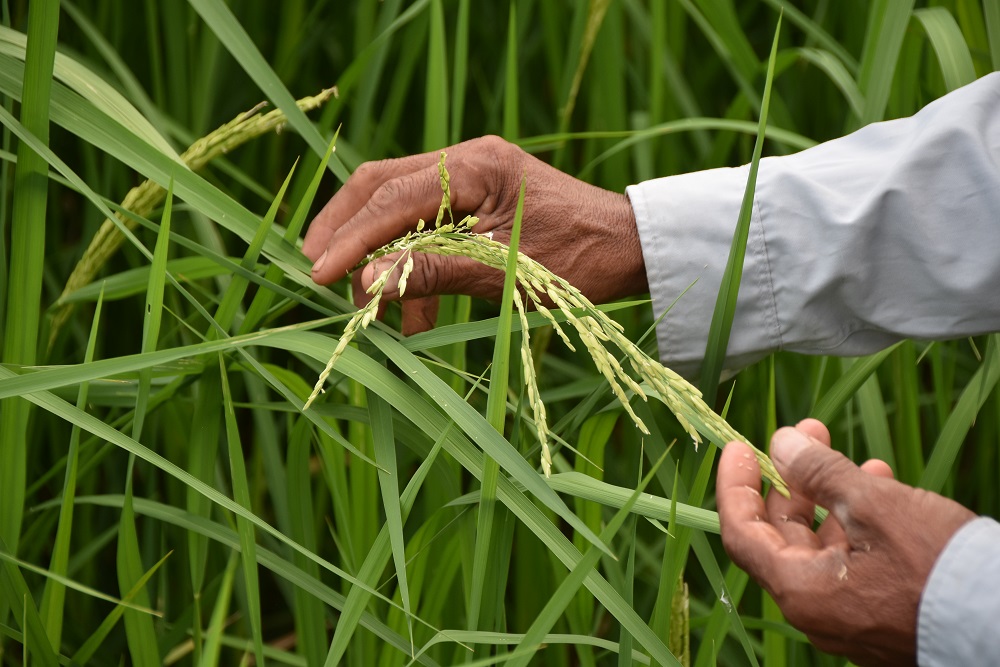
Providing a relative magnitude of returns to investments is important for donors so that they can see...
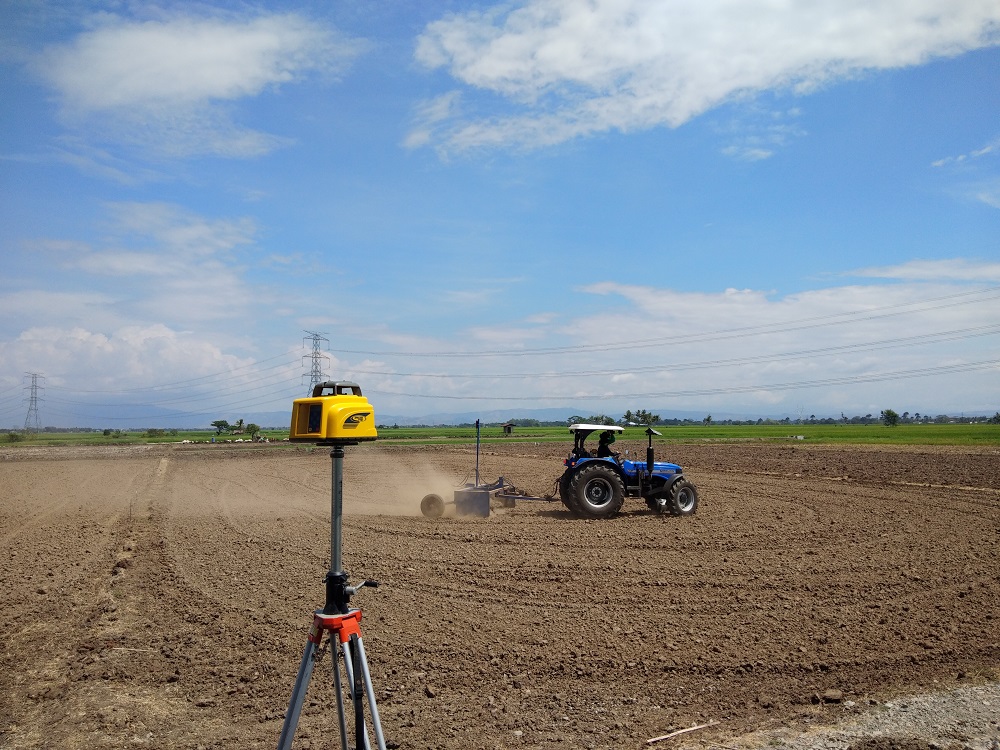
Laser land leveling strongly complements sustainable rice production practices as it can help increase water, seed, and...
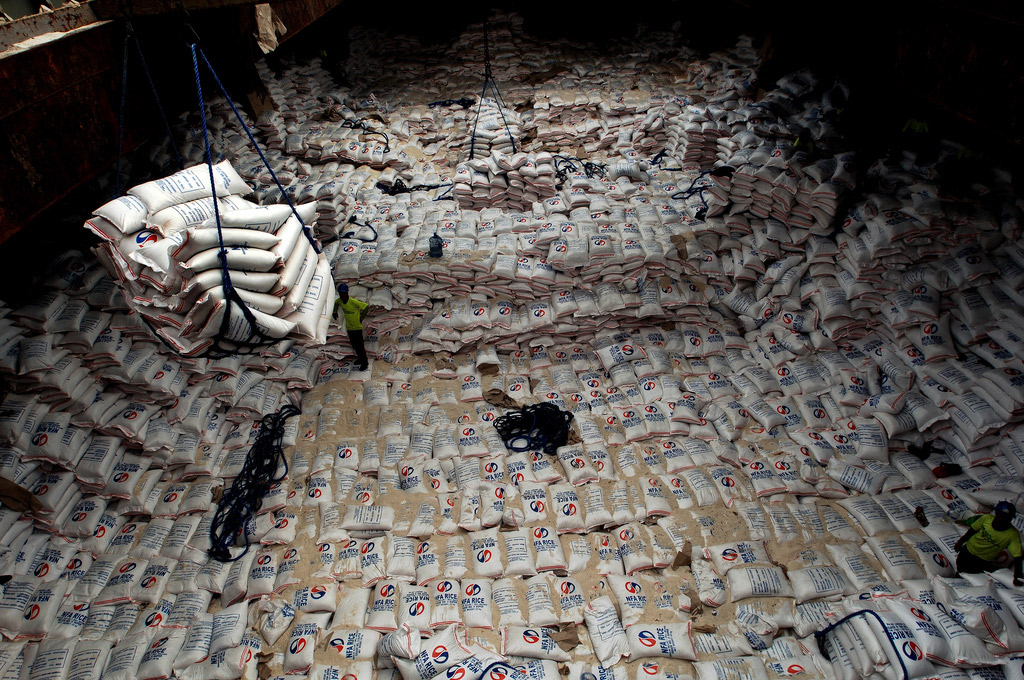
The importance of maintaining the capacity of Southeast Asia to produce a large rice surplus goes beyond...
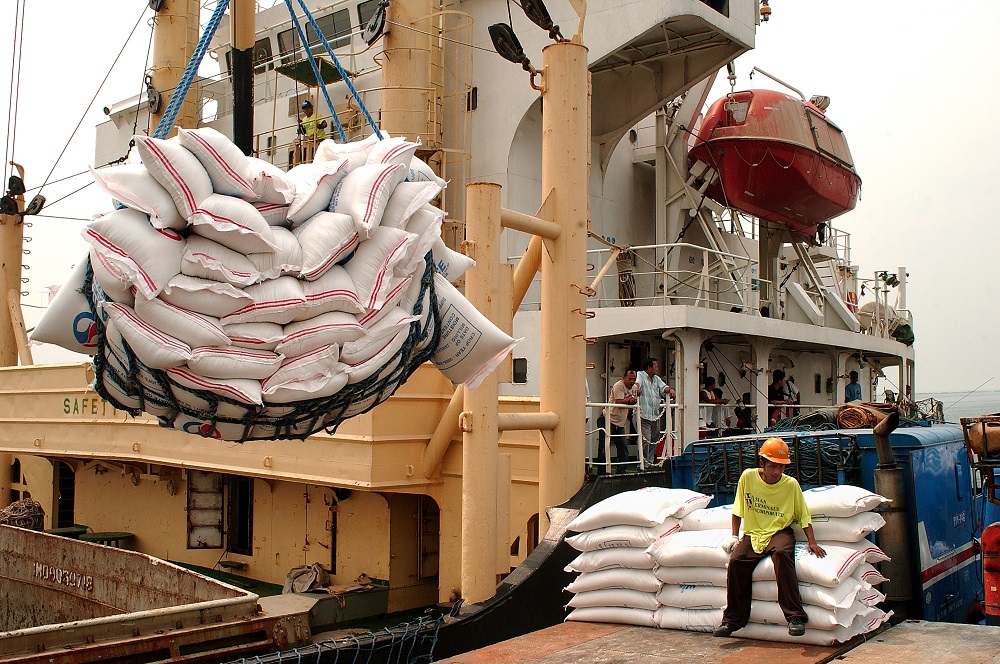
Since the global COVID-19 pandemic, the urgent need for enhanced food system sustainability through a major shift...
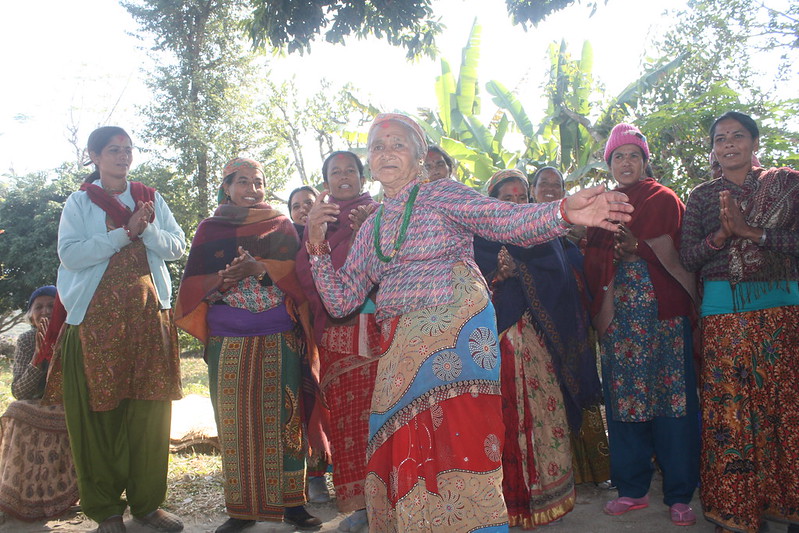
Vegetable farming is an important sub-sector to increase income, reduce poverty, and improve nutrition, particularly in the...