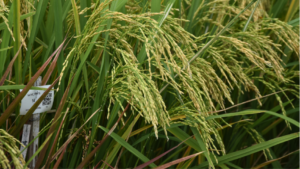
- The study analyzed how smallholder farmers make decisions regarding the production, marketing, and sales of premium quality rice.
- Asset and gender disparities significantly influence participation, as male-headed households and those with larger landholdings are more likely to engage in the premium market.
- While market linkages boost participation, a critical gap exists in marketing-focused advisory services.
By Glenn Concepcion
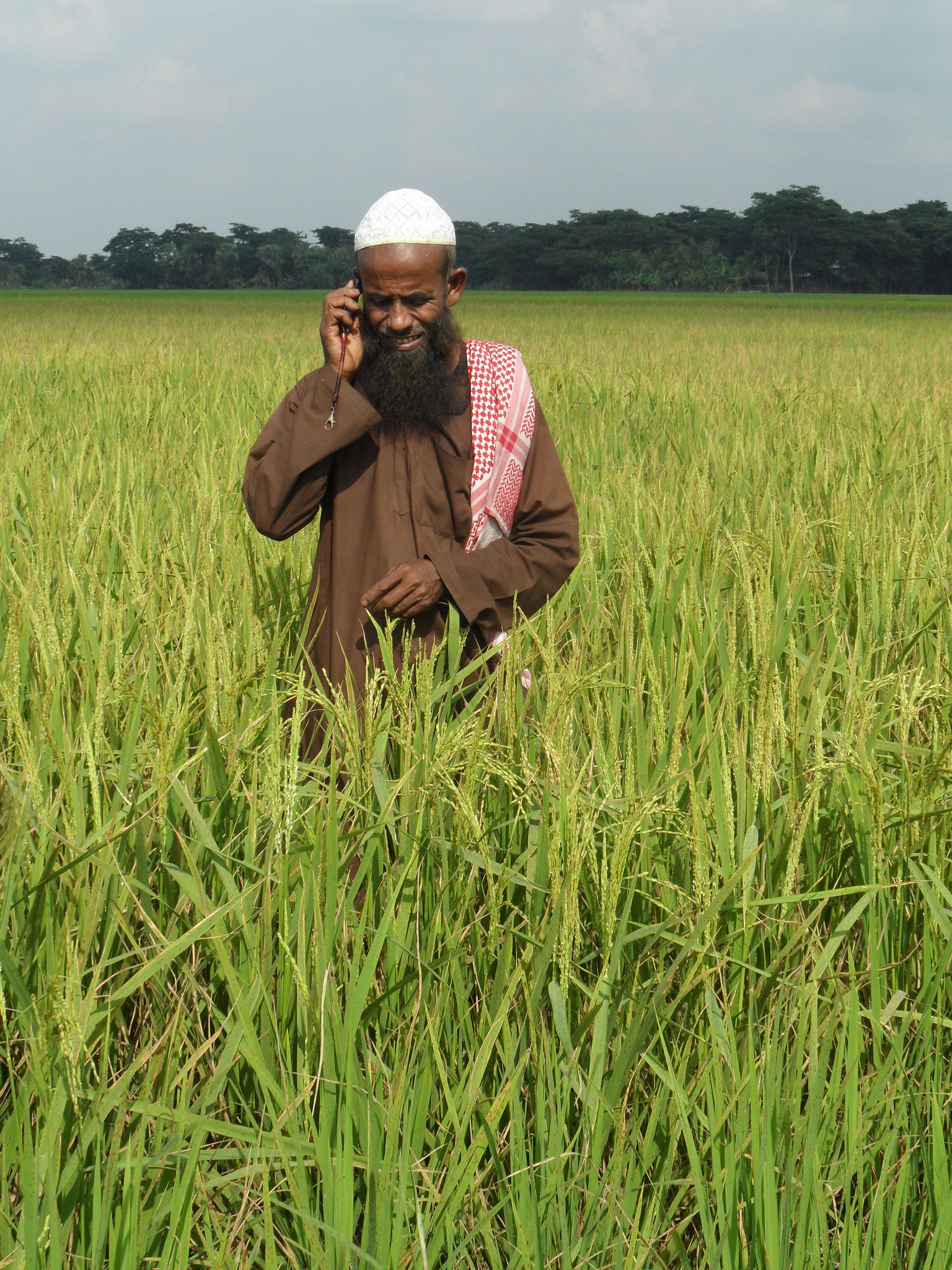
In the urban centers of Bangladesh, a dietary shift is underway. While the nation remains one of the world’s leading rice producers, yielding approximately 39 million metric tons annually, the appetites of affluent city dwellers are moving away from traditional coarse grains. Instead, demand is surging for Premium Quality Rice (PQR): long, slender, and often aromatic varieties like Chinigura and Kalizira that command price premiums of 20% to 60%.
A new study published in the journal Agricultural Systems by researchers from the Bangladesh Agricultural University and the International Rice Research Institute (IRRI) explores how the country’s smallholder farmers are responding to this demand. Through an advanced econometric framework, the team identified the specific hurdles that determine whether a farmer successfully transitions from subsistence rice farming to participating in these lucrative high-value markets.
The triple-hurdle challenge
According to the researchers, smallholder farmers participating in the premium market face not just a single choice, but a three-stage sequential decision process . First, a farmer must decide whether to cultivate PQR varieties at all. If they do, they must then decide whether the cultivation is to sell the rice at the market or keep it for household consumption. Finally, if they choose to enter the market, they must decide what quantity of their harvest to sell.
To analyze these interconnected decisions, the team surveyed 1,420 farmers across the districts of Dinajpur, Sherpur, and Jhenaidah. They applied a Generalized Structural Equation Model (GSEM), a tool that allows scientists to analyze multiple outcomes simultaneously while accounting for the complex relationships between social, economic, and geographic factors.
The choice to grow PQR
The study found that about 68% of the surveyed farmers had begun cultivating PQR varieties. However, the path to production is not open to everyone equally. The results revealed significant gender and resource disparities: male-headed households and those with larger landholdings were far more likely to engage in PQR production. “Asset endowment, particularly cultivated land, plays a key role,” the authors note, highlighting that larger farms have the surplus capacity to experiment with market-oriented crops without risking their basic food security. Interestingly, while large family sizes usually provide more labor, the study found that households with more members were actually less likely to produce PQR, perhaps because they must prioritize high-yielding coarse rice to ensure enough food for the table.
The impact of market linkages
Producing high-quality grain is only half the battle. Of the farmers who grew PQR, a staggering 93% eventually sold their produce in the market. The factors that pushed them over this second hurdle were largely institutional. Farmers who established pre-harvest contact with buyers were significantly more likely to participate in the market. These market linkages reduce the uncertainty and transaction costs that often plague small-scale agriculture. Furthermore, geography remains a dominant factor; households located closer to marketing centers or in specific regions like Dinajpur and Sherpur showed much higher levels of market engagement.
Does technology play a role?
One of the most surprising findings of the study involved technology. While nearly all surveyed households had mobile phones, and about 38% owned smartphones, this digital access did not translate into higher market sales. In fact, the researchers found a negative correlation between smartphone access and the intensity of market participation.
The authors suggest two possible reasons for this paradox. First, farmers may lack the specific digital literacy needed to use smartphones for market information. Second, smartphone ownership in rural Bangladesh is often linked to income diversification, meaning these households may be spending more time on non-farm activities and less on maximizing their agricultural sales.
The commercialization gap
The research also highlighted a critical gap in government support. While advisory and extension services were highly effective at encouraging farmers to produce PQR, they had a negative effect on the decision to market that rice. The researchers attribute this to a disconnect between different government departments. In Bangladesh, the Department of Agricultural Extension (DAE) provides robust field-level support for growing crops, but the Department of Agricultural Marketing (DAM) lacks a similar presence on the ground. Consequently, farmers receive plenty of advice on how to improve yields, but very little on how to navigate the complexities of commercial sales.
The policy implications for a growing sector
As the demand for premium quality rice in Bangladesh grows by approximately 5% every year, the study argues that policy interventions must evolve. To move beyond simple food security and toward a market-oriented agricultural system, the authors suggest that the government should focus on marketing-oriented advisory services and strengthening credit access for smaller farmers.
Additionally, by addressing gender barriers and improving the flow of market information, perhaps by better utilizing the smartphones already in farmers’ pockets, Bangladesh could not only satisfy its domestic urban demand but also expand its PQR export potential to earn valuable foreign exchange.
Lifting up Bangladesh’s smallholders
Ultimately, the study confirms that commercialization is a sequential journey. For the smallholders of Bangladesh, the transition from growing rice for the family to growing premium rice for consumers requires more than just good science and seeds; it requires developing the necessary skills and support to build a bridge to the wider rice market.
Read the study:
Md. Tanvir Ahmed, Mohammad Saidur Rahman, Matty Demont, Islam Abu Hayat Md Saiful Islam, Md. Salauddin Palash, Ishika Gupta, Prakashan Chellattan Veettil
Smallholder participation in premium rice markets in Bangladesh: A structural equation model for understanding production and marketing decisions
Agricultural Systems, Volume 236, 2026
https://doi.org/10.1016/j.agsy.2026.104733