- During his tenure as Principal Secretary of DA&FE, Dr. Padhee positioned Odisha as a global model for science-led, climate-resilient, and gender-responsive agriculture
- He championed flagship programs on rice fallows, millets, drought mitigation, and value-added specialty rice–millet value chains
- He elevated women’s leadership through SHG enterprises, the Subhadra Shakti brand, and India’s first Gender Responsive Cell and Bhubaneswar Declaration
By Nese Sreenivasulu , Ranjitha Puskur, Gyandip Pandia, and Mukund Variar

In Odisha, where agriculture sustains millions amid climate variability, soil degradation, and rural poverty, Dr. Arabinda Kumar Padhee, IAS, has emerged as a transformative leader. A farm scientist by training with a doctorate from the prestigious Indian Agricultural Research Institute, Dr. Padhee served as Principal Secretary (later Additional Chief Secretary) of Odisha’s Department of Agriculture and Farmers’ Empowerment (DA&FE) from 2022 to early 2026. His tenure fused scientific rigor with grassroots insight, positioning Odisha as a global model for climate-resilient, diversified, and inclusive agriculture.
From policy to practice: Building climate-resilient foundations
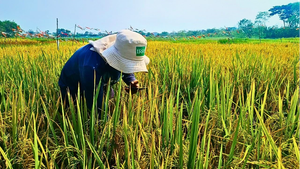
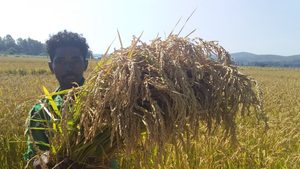
Increasing productivity under climatic adversity in a state with diverse agro-ecologies was a challenge that Dr. Padhee efficiently addressed. He championed situation-specific cropping, for example drought-resilient rice varieties in Western Odisha and submergence tolerant-varieties in the coastal belt.
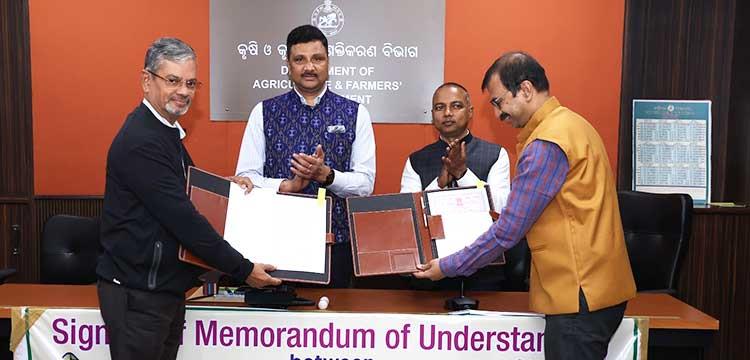
The Department of Agriculture, under his leadership, strategically invested in mechanization and precision farming. He supported the International Rice Research Institute (IRRI) to scale up machine-seeded precision direct-seed rice (DSR) in several districts of Odisha, and actively promoted capacity building of service providers and farmers to use seed drills for multiple crops. This initiative was led by Dr. Virender Kumar.
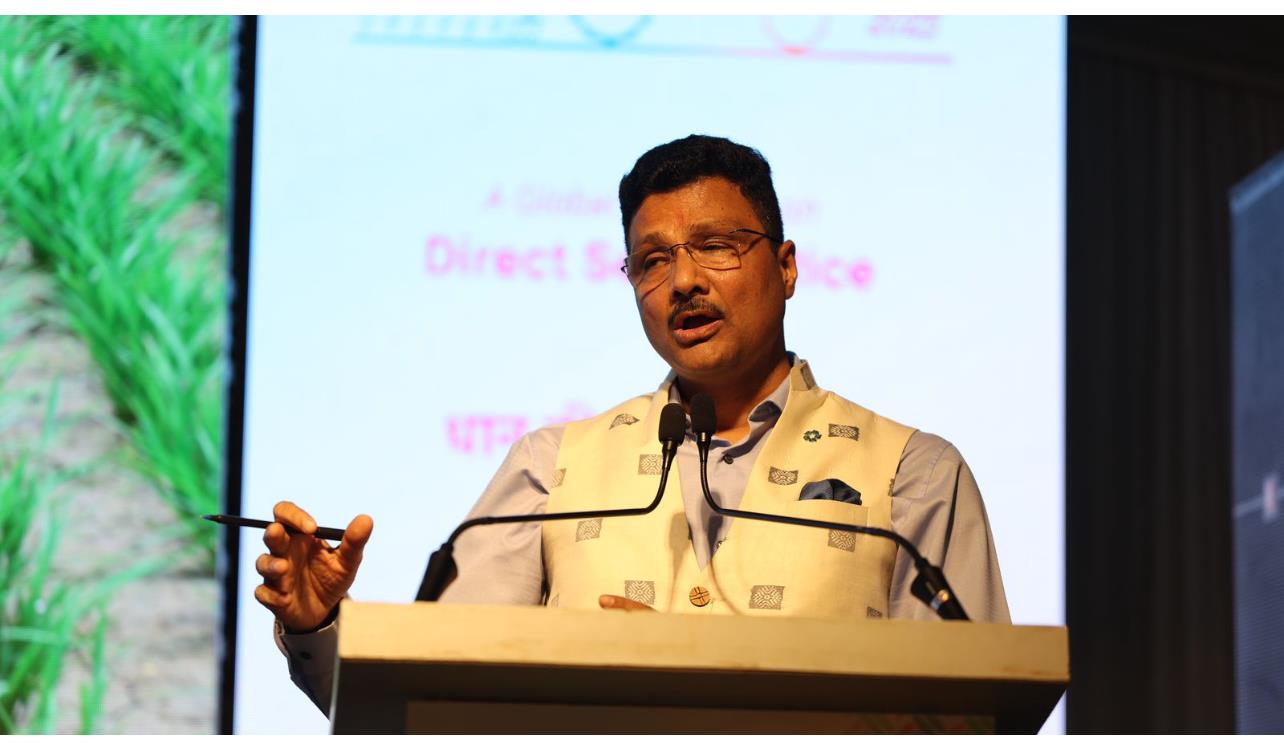
Dr. Padhee believed seed systems was a critical backbone for Odisha’s agriculture. He significantly supported IRRI’s effort on seed systems by ensuring state institutions and local community are relying on research and evidence-driven varietal positioning, deployment and scaling decisions by working very closely with Dr. Umashankar Singh over the last decade. Starting with a massive effort around introducing and scaling climate resilient varieties, today initiatives on targeted scaling and deployment of healthier specialty rice, re-positioning of traditional landraces, and community-led seed system models are promoted. Seed system initiatives were led by IRRI Seed System Scientist Dr. Swati Nayak.
Dr. Padhee emphasized that complex climatic challenges need solutions that go beyond siloed interventions. The Comprehensive Rice Fallow Management (CRFM) program was an initiative that brought together the DA&FE, CGIAR centers IRRI, ICRISAT, and ICARDA, as well as other organizations such as the Agricultural Finance Corporation and the M. S. Swaminathan Research Foundation, to convert post-kharif rice fallows into productive lands cultivating resilient pulses and oilseed varieties developed by national institutions. In IRRI, this project was led by Dr Ranjitha Puskur. The program initiated the reclamation of millions of hectares, and reduced fallows by nearly 5 lakh hectares in just three years, which boosted system productivity and earned recognition from the National Institution for Transforming India (NITI Aayog), the country’s top policy think tank.
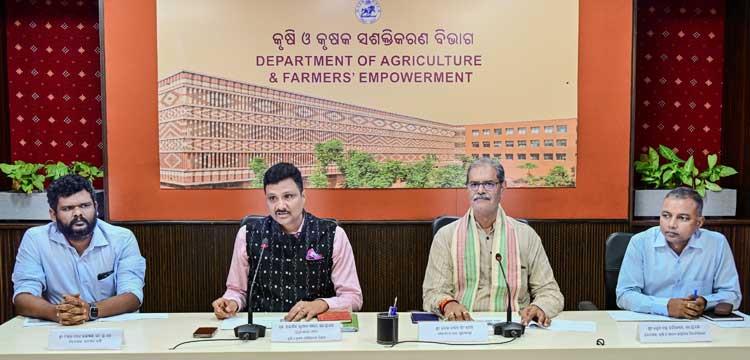
In addition, Dr. Padhee spearheaded the institutional innovations such as Climate Resilience Cell for climate-integrated advisories, and the Krushi Samiksha Kendra for real-time, data-driven monitoring. Dr. Padhee’s oversight and frequent field visits to listen to women and men farmers firsthand helped keep these policies relevant, practical, and effective.
Reviving millets, the traditional food heritage
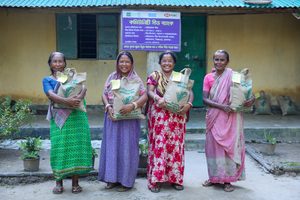
Dr. Padhee’s most enduring legacy is the transformation of the Odisha Millets Mission (launched in 2017) into Shree Anna Abhiyan, aligned with the International Year of Millets (2023). The flagship program scaled millet cultivation in tribal rainfed areas, arranged procurement of record ragi quantities, and integrated millets into midday meals and Integrated Child Development Services (ICDS) schemes. Women’s Self-Help Groups (SHGs) processed millets into ready-to-eat products, creating enterprises and improving incomes.
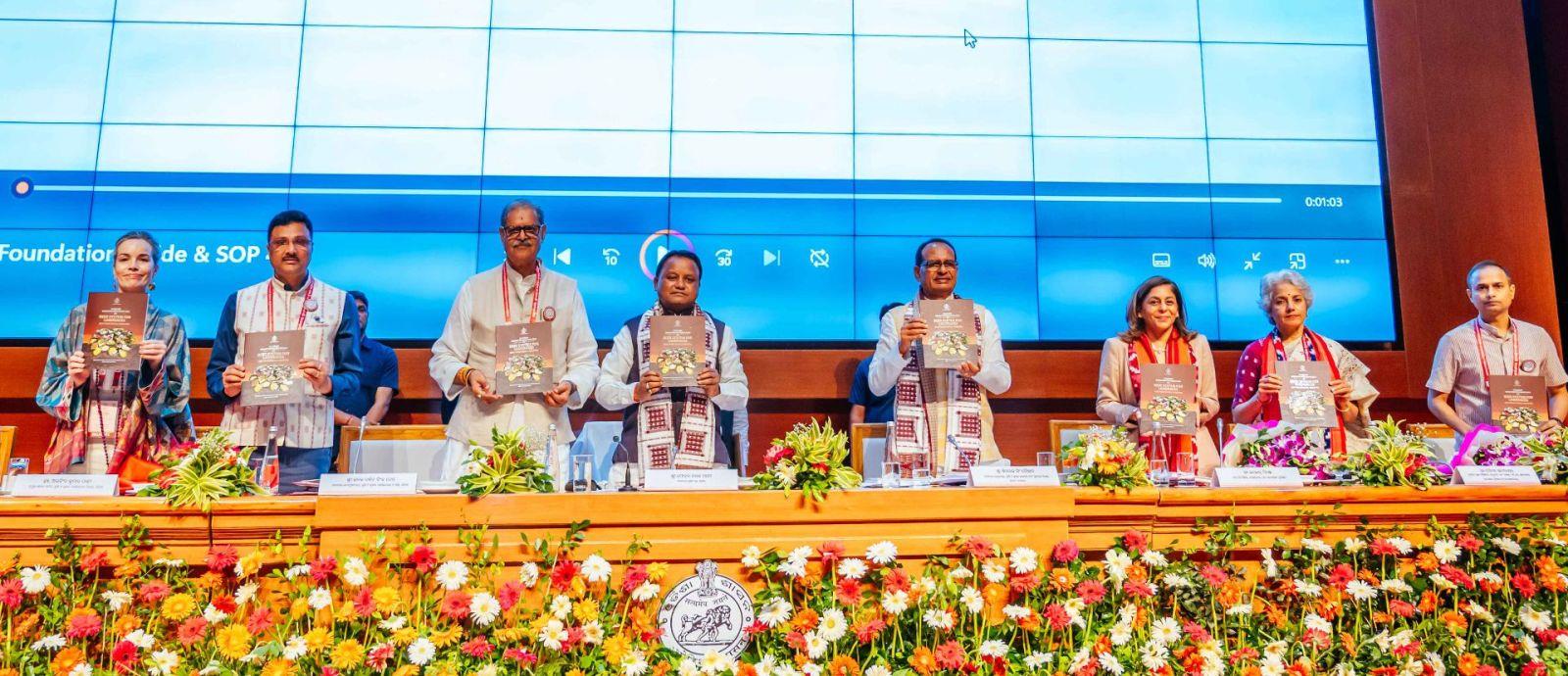
Acclaimed as a “Global Model for Millets Promotion” with praise from Bill Gates and Nobel Laureate Michael Kremer, the initiative also registered local varieties under the Protection of Plant Varieties and Farmers’ Rights Authority (PPVFRA), preserving agro-heritage.
Pioneering innovation and embedding science in state policy
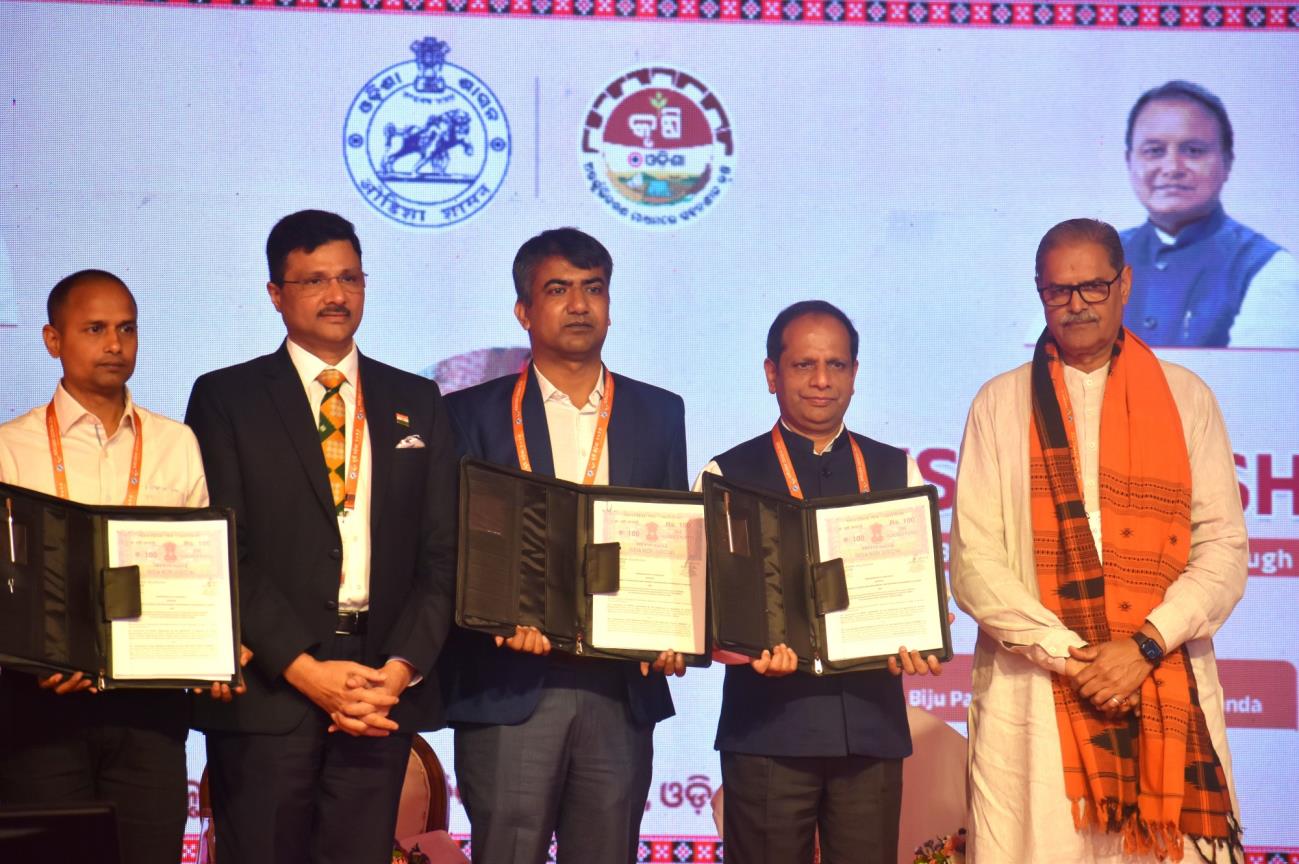
Dr. Padhee embedded groundbreaking, science-led projects into state policy for sustainability and resilience. Key initiatives included the Odisha Agriculture Drought Mitigation Programme (OADMP) with IRRI and ICRISAT, the Special Programme for Promotion of Integrated Farming in tribal areas (featuring solar-powered innovations like water hyacinth harvesters), and policy roundtables encouraging coherence across food, land, and water systems, converging schemes like KALIA, OIIPCRA, and MGNREGS.
Changing mindsets from production to prosperity
Dr. Padhee consistently emphasized that increasing production alone does not guarantee prosperity. His tenure saw a strong push toward value addition to create a market-responsive ecosystem.
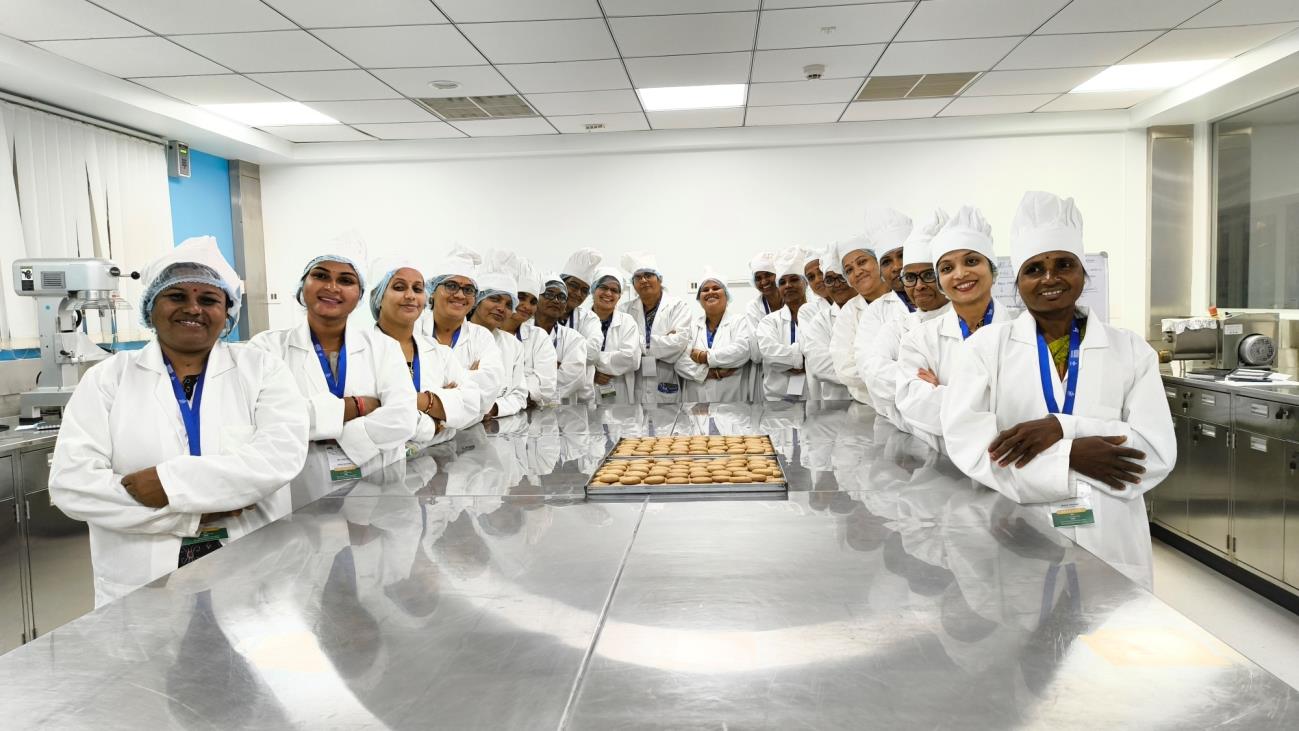
The Rice Value Addition project, led by Dr. Nese Sreenivasulu of the International Rice Research Institute (IRRI), serves as the cornerstone of his market-driven vision for healthier rice, speciality varieties, and millet integration. The initiative, which aligns with the mission and vision of the Departments of Agriculture and Farmers Empowerment and Mission Shakthi of the Odisha government, aims to: (a) characterize local rice varieties for nutritional quality and brand them for domestic and international markets; (b) promote low glycemic index rice (low GI) for premium pricing; and (c) develop ready-to-eat and ready-to-cook rice products with an unique selling proposition of nutrient dense features with low GI properties to create sustainable businesses for WSHG federations. Through DA&FE, Dr. Padhee led this comprehensive, end-to-end initiative to empower farmers, SHGs, and Farmer Producer organizations (FPOs) through integrated approaches across the rice value chain, from cultivation and quality seed support to advanced processing, innovative product development, premium value addition, and robust market linkages.
The project focuses on premium, health-focused varieties like low-GI IRRI 147 (to combat diabetes, released as DRR Dhan 81) and aromatic indigenous Kalajeera possessing low GI with good aroma, while placing strong emphasis on value addition to transform raw grains into high-value, ready-to-eat, and ready-to-cook products. This value addition focus directly empowers women farmers, bolsters and propels their entrepreneurship through their SHGs. Through hands-on skills, access to modern infrastructure, and enterprise management training, the project is enabling women to become active entrepreneurs, enabling additional income streams, and driving sustainable, community-owned enterprises that reinvest profits back into farmer and SHG welfare.
Central to Dr. Padhee’s vision was the establishment of a state-of-the-art, fully automated speciality rice-millet processing facility. This modern infrastructure features advanced machinery for efficient rice milling and millet processing, integrated with an on-site laboratory facility dedicated to rigorous quality control, nutritional profiling, shelf-life testing, and full traceability of materials, from farmgate sourcing to final packaged products. This ensured unwavering standards of hygiene, safety, and nutritional integrity, while enabling transparent supply chains that build consumer trust and command premium pricing. The facility has driven the development of a diverse range of value-added, nutrition-rich prototypes, including rice-millet cookies, semolina, flakes, blended flours, and ready-to-eat items crafted to highlight Odisha’s heritage grains.
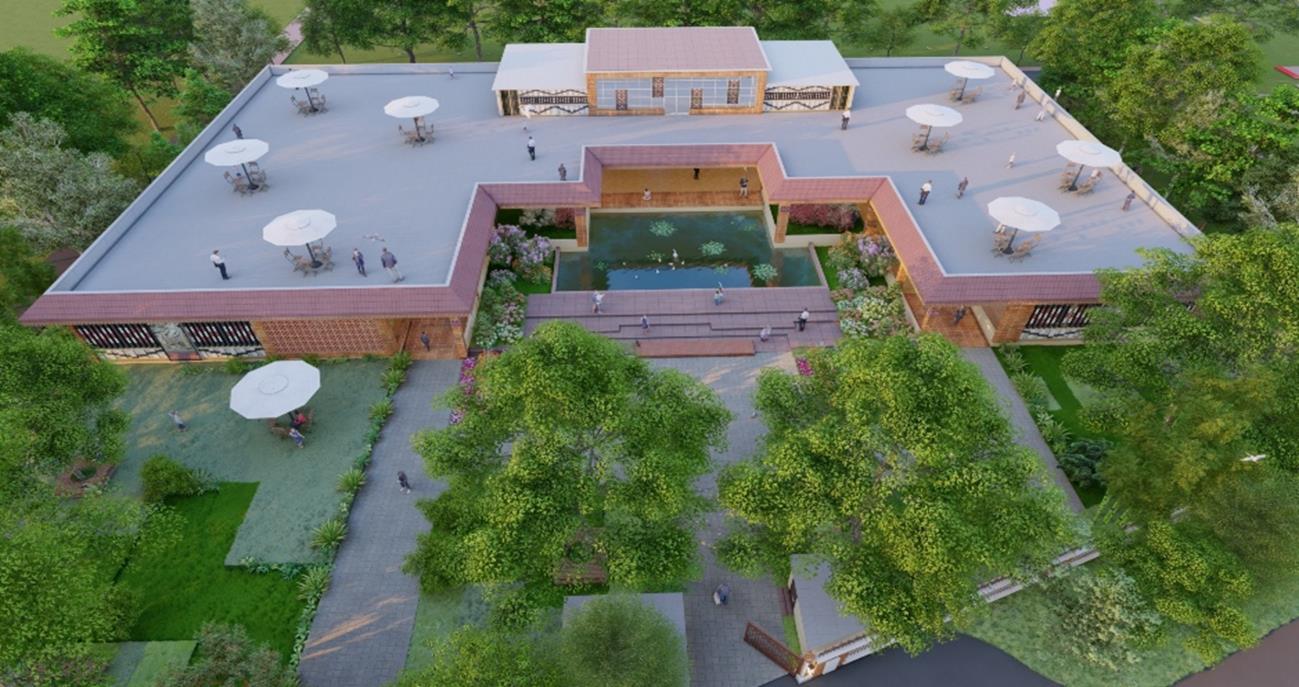
Hands-on training empowered numerous SHGs to operate decentralized units, including bakery operations for local production and sales, all unified under the distinctive “Subhadra Shakti” brand that celebrates these wholesome, culturally rooted products and showcases women entrepreneurs as leaders in this value-driven ecosystem.
The project’s innovative hybrid BOTT (Build-Operate-Train-Transform) model stands out as a hallmark of Dr. Padhee’s emphasis on blending private-sector efficiency with genuine community ownership and empowerment. The phased approach begins with Build & Operate (leveraging external expertise for setup, automation, marketing, and branding), transitions through Train (intensive capacity building in management, digital tools, quality assurance, and business skills for SHGs and FPCs), and culminates in Transform (full handover to federation-led, community-driven operations). This ensures skill transfer, sustainability, profit reinvestment for farmer, farmers collectives and SHG welfare, and inclusive growth with women at the core of the workforce and leadership.
This landmark, world-first Speciality Rice Programme under Dr. Padhee’s stewardship bridged farmers directly to premium markets, minimized post-harvest losses, enhanced incomes through value-driven models, and firmly positions Odisha as a leader in nutrition-sensitive, inclusive, resilient, and technologically advanced agriculture.
Empowering women through leadership and entrepreneurship
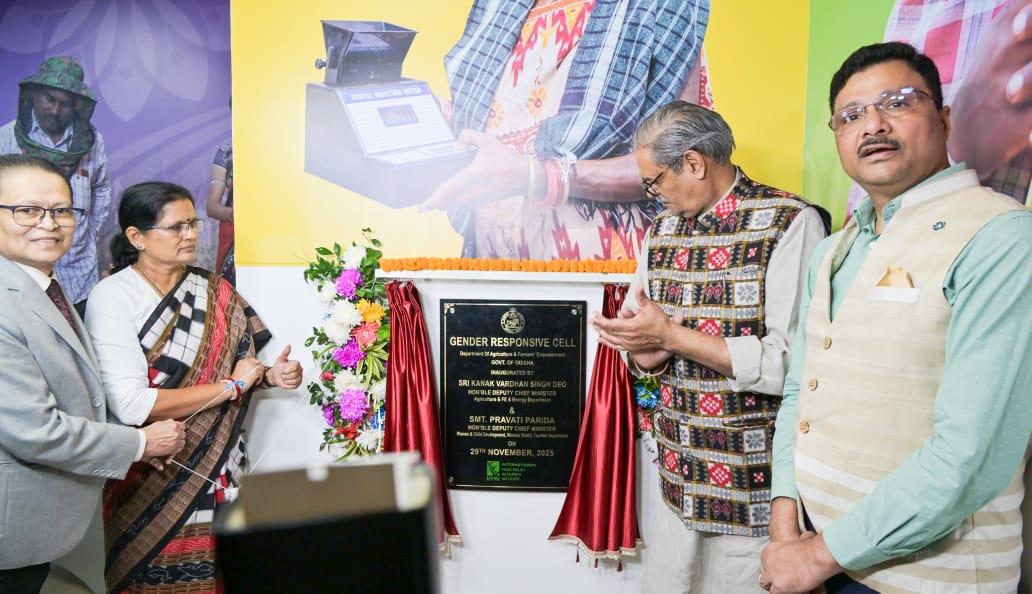
Recognizing women as the backbone of Odisha’s agriculture, Dr. Padhee steered the establishment of India’s first Gender Responsive Cell (GRC) to mainstream gender equity in policies, extension, and budgeting. It promotes women-relevant services, gender-disaggregated data, and drudgery-reducing machinery. Through the GRC, Odisha has the opportunity to be a model of gender-intelligent agriculture that boosts productivity, equity, and climate resilience at once.
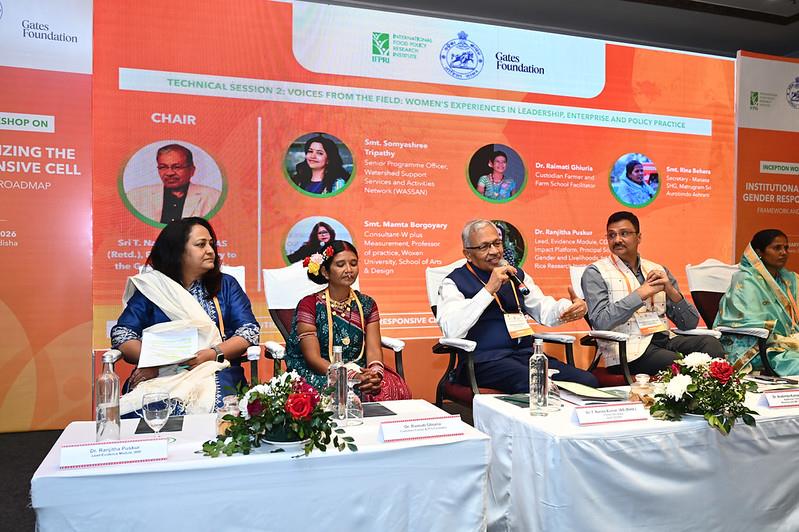
The historic Bhubaneswar Declaration on Women Farmers and Conservation of Agricultural Heritage (unveiled at the International Symposium on Shree Anna and Woman Farmer 2025) is India’s first such declaration. It recognizes women farmers as architects of resilience and guardians of heritage, addressing low land ownership, promoting resource access, agrobiodiversity conservation, women-centric mechanization, community seed banks, and low representation in decision-making, aligning with the UN’s 2026 International Year of the Woman Farmer.
Looking towards the future of Odisha
Dr. Arabinda Kumar Padhee’s tenure reflects a rare convergence of vision and execution, built on five transformative pillars: climate-resilient crop systems, millet mainstreaming, innovation ecosystems, value-addition market integration, and institutionalized gender-responsive governance. Odisha now exemplifies how science, sustainability, and social equity can redefine state-level agricultural leadership, not just through yields but across resilient systems, empowered farmers, and inclusive institutions.
IRRI looks forward to continued collaboration in strengthening Odisha’s position as a leader in attaining food and nutrition security under changing climates and women-led enterprises under new appointees DA&FE Commissioner Shri Sachin Ramchandra Jadhav, and Mission Shakti Commissioner Ms. Mansi Nimbhal, as together we strengthen Odisha’s position as a leader in climate-resilient, diversified, and inclusive agriculture to address regional food and nutritional security.