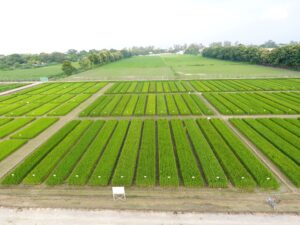
- New publication offers compelling data that Alternate Wetting and Drying (AWD) can be a low-cost and practical solution for looming water insecurity.
- In an actual service area, “safe” AWD reduced water use by 8–13% (from 9 additional dry days) without adversely affecting rice yields, proving farmers can save water without sacrificing productivity.
- Maximizing AWD benefits will require policy support, training, coordinated management, and targeted interventions across irrigation systems.
By Glenn Concepcion
Rice cultivation stands as a cornerstone of global food security, yet it remains one of the most water-intensive agricultural practices, traditionally requiring 3,000 to 5,000 liters of water to produce a single kilogram of grain. With projections suggesting that millions of hectares of Asian irrigated rice lands will face physical water scarcity starting in 2025, the need for efficient management is urgent.
A recently published paper for a study that was funded almost a decade ago by the CGIAR Standing Panel on Impact Assessment (SPIA) and implemented by the International Rice Research Institute (IRRI) has offered robust, actual rice landscape-level evidence (compared to previous studies done in controlled experimental fields) that the water management technique called Alternate Wetting and Drying (AWD) can drastically reduce water consumption without compromising the livelihoods of farmers.
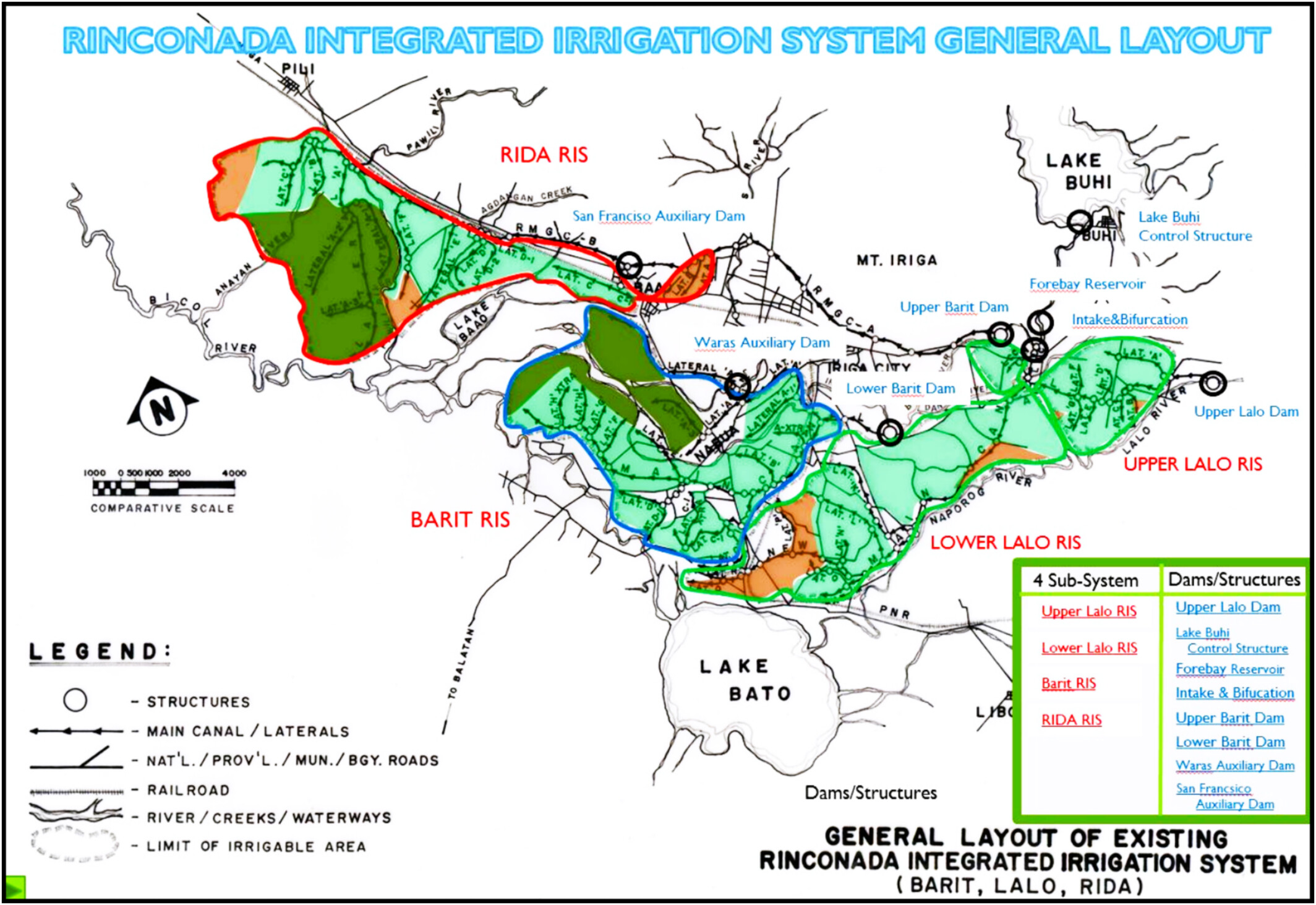
Published in the Australian Journal of Agricultural and Resource Economics by scientists from North Carolina State University and the University of the Philippines Los Baños, the research evaluates the causal impact of AWD for over 800 working farmers within the Rinconada Integrated Irrigation System (RIIS), a massive 7,031-hectare gravity-based system in the Philippines with diverse topographies, complex irrigation networks, and a multitude of farming practices.
The mechanics of “safe” AWD
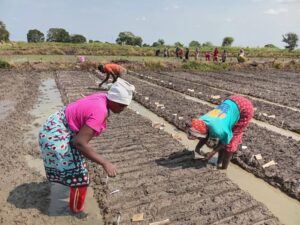
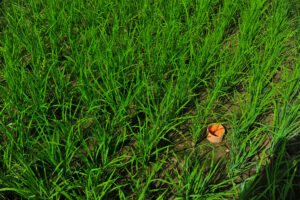
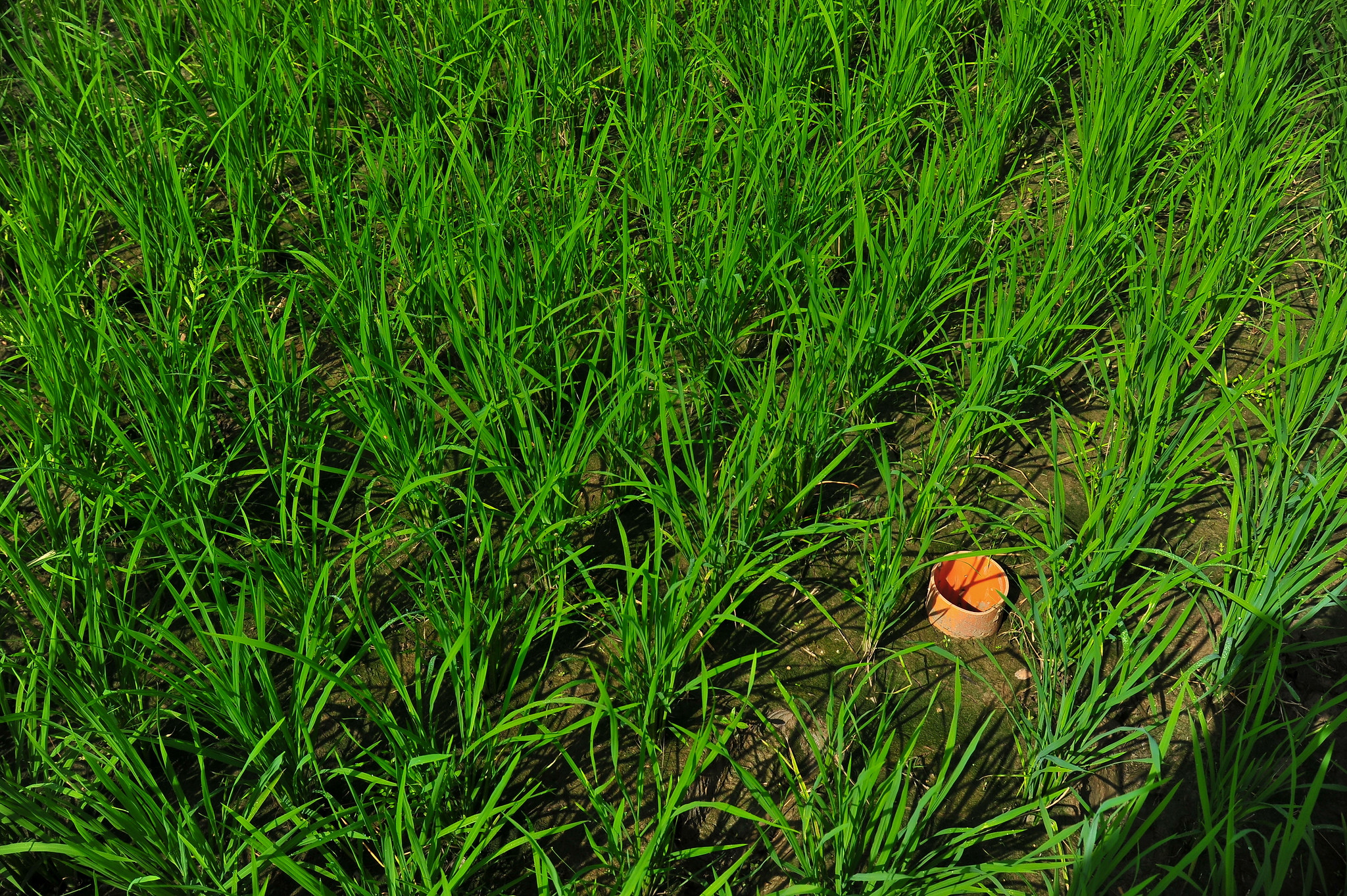
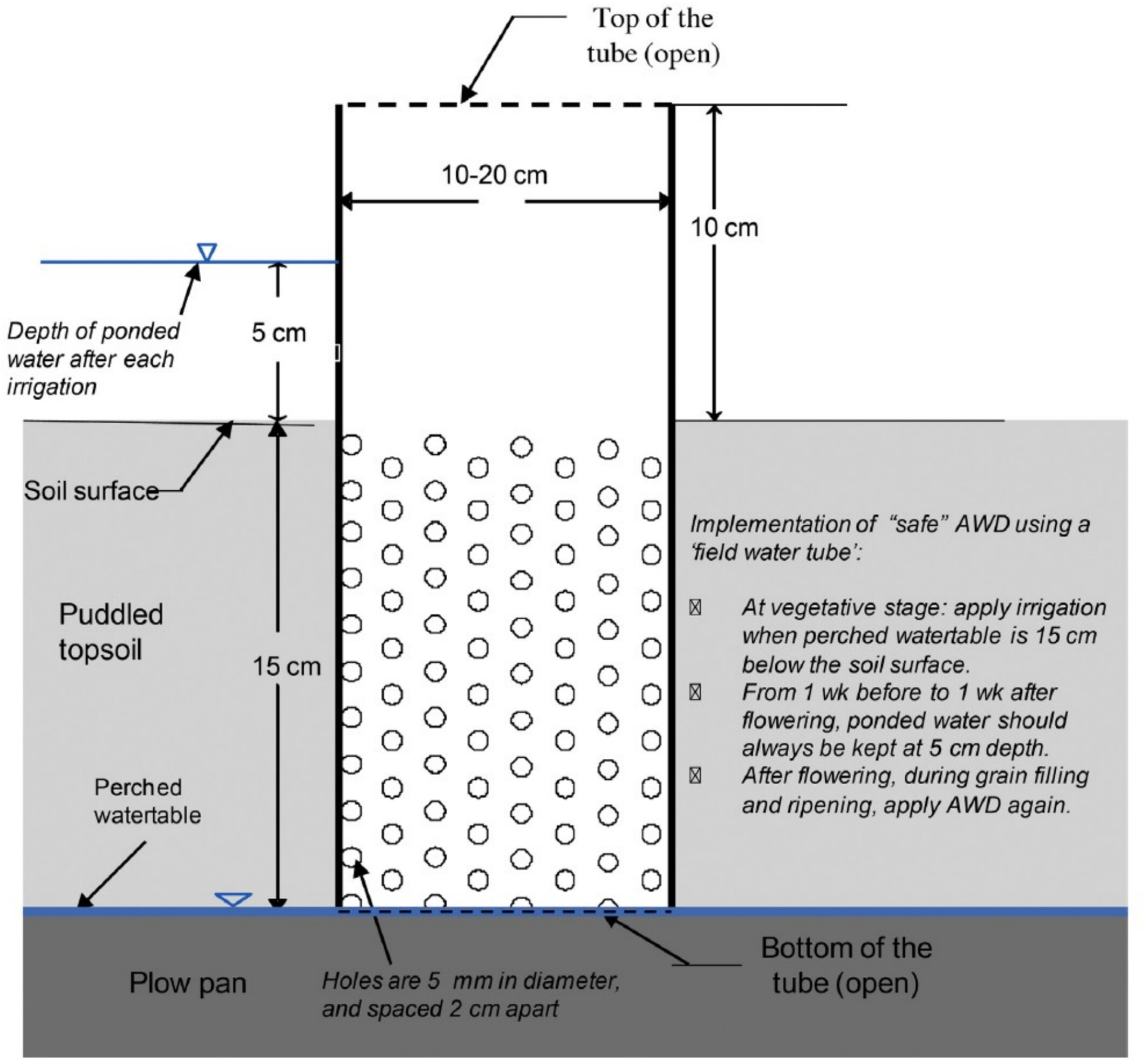
The study focuses on the “safe” AWD variant, a protocol designed to reduce hydraulic demand while protecting the plant from moisture stress. Unlike traditional continuous flooding, AWD allows the ponded water to disappear from the surface for several days. The technical threshold for re-irrigation is set at 15 centimeters below the soil surface, a depth monitored by farmers using a simple, 25-centimeter-long perforated PVC field water tube.
At this depth, the rice plant’s roots still have access to the perched water table, maintaining growth while the soil surface aerates. The protocol specifically maintains shallow flooding during the first two weeks post-transplanting and throughout the flowering stage to ensure maximum productivity during these sensitive periods.
Rigorous experimental design
To isolate the true effects of the technology, the research team employed a Random Encouragement Design (RED). This methodology was implemented at the Turnout Service Area Group (TSAG) level, which is the organizational unit responsible for local water distribution from secondary canals. Out of 280 total TSAGs in the RIIS, 92 “valid” and homogeneous groups were identified, from which 42 were randomly selected for the study. Around half of the 800 farmers in the treatment TSAGs received specialized AWD training and free field water tubes, while the control group continued traditional practices.
The scientists analyzed a two-year panel dataset (2016–2017) using a Difference-in-Differences (DiD) empirical strategy. This approach allowed the researchers to account for unobservable factors that remain constant over time while capturing the Intention-to-Treat (ITT) effect, the impact of simply encouraging the technology in a real-world setting where adoption is voluntary.
Quantifiable water savings and yield gains
The data revealed a statistically significant increase in irrigation efficiency. Farmers who were encouraged to adopt AWD experienced an average of 9.39 additional days without standing water in their fields compared to the control group. The sources indicate that these “dry days” translate to a seasonal water saving of approximately 117 to 171 millimeters, representing an 8% to 13% reduction in total water input.
Perhaps the most critical finding for farmer acceptance is the lack of a yield penalty (i.e. impact is statistically insignificant or significantly positive). In fact, the study shows that AWD resulted in productivity boosts in some cases. In several econometric models, with statistically significant impact estimates, the researchers observed statistically significant yield increases ranging from 550 to 900 kilograms per hectare, which represents a 14% to 22% improvement over baseline levels. These findings reinforce the “safe” AWD philosophy, suggesting that intermittent drying may actually improve soil health and root vigor.
Spatial insights: The “midstream” phenomenon
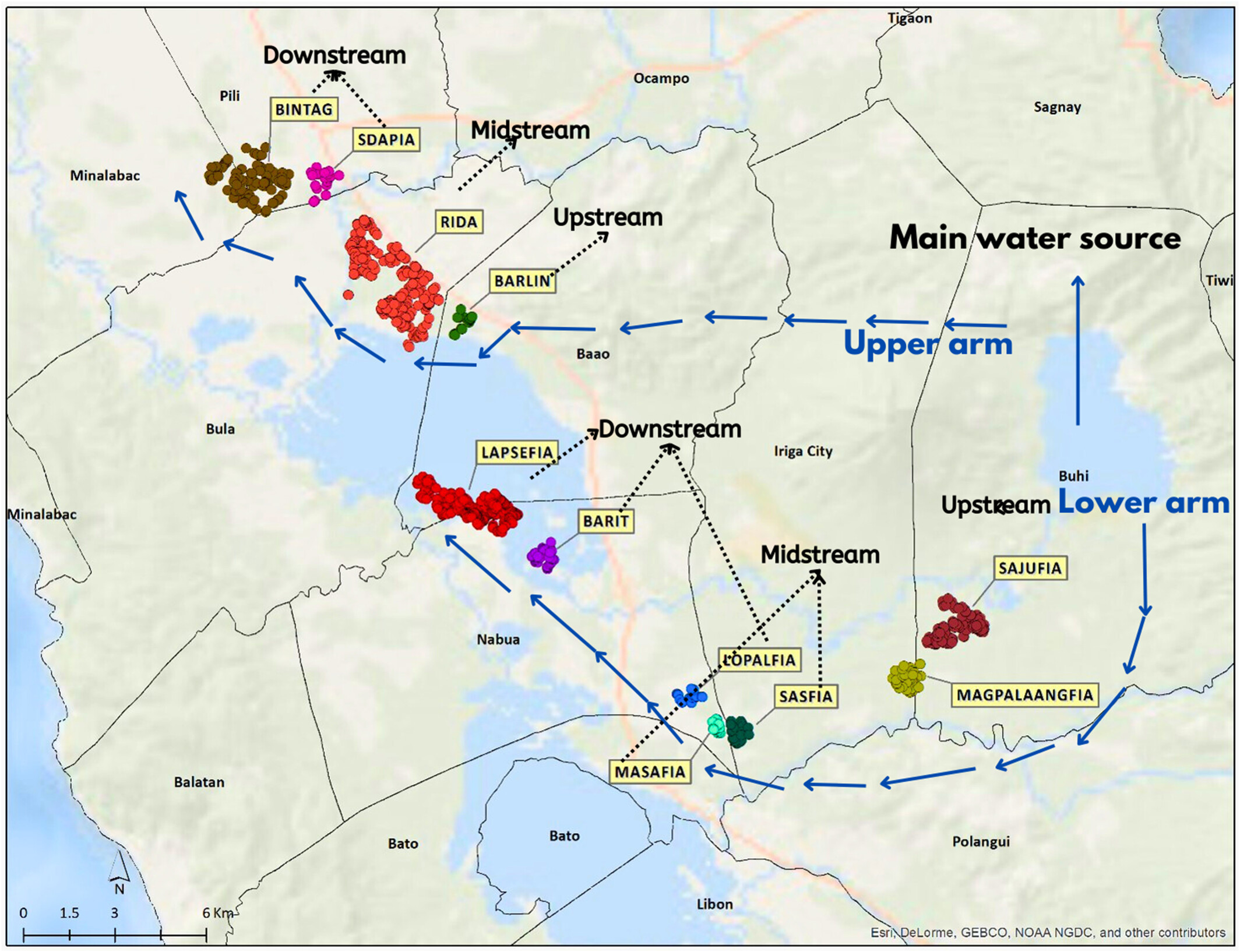
A unique contribution of this CGIAR-supported study is its heterogeneity analysis, which examined impacts based on a farmer’s location relative to the main water source, Lake Buhi. Large gravity systems often suffer from inequity, where upstream farmers over-irrigate due to easy access and a lack of financial costs for water, leaving downstream farmers with acute physical scarcity.
The researchers found that midstream farmers achieved the largest water savings. The sources offer a behavioral explanation: midstream users often experience “mild scarcity” and, through social proximity to struggling downstream neighbors, are more motivated to conserve water for the collective good. Conversely, while upstream and midstream farmers saw significant yield gains, downstream farmers did not experience the same productivity leap. This suggests that current adoption rates are not yet high enough to generate a “surplus” of water that fully alleviates the extreme shortages at the tail end of the 107-kilometer canal network.
Robustness and global validity
To ensure the findings were not biased by unobserved farmer traits, such as innate skill or risk tolerance, the team conducted several robustness checks. These included Propensity Score Matching (PSM) and Changes-in-Changes (CiC) estimation. The CiC analysis provided a “quantile” view of the data, revealing that farmers with the lowest initial yields saw the most pronounced productivity increases from AWD, while the most inefficient water users reported the highest savings.
Additionally, the researchers utilized Kinky Least Squares (KLS) to correct for potential endogeneity. This analysis confirmed that the water-saving results remain stable even when assuming moderate levels of statistical “noise” or hidden bias.
Policy pathways for climate adaptation
The implications of this research extend far beyond the Philippines. Many rice-producing nations, including India, China, and Thailand, rely on similar gravity-based systems where economic incentives for water conservation are often missing. The study offers that AWD is a vital tool for global climate adaptation, demonstrating that information dissemination and simple tools can drive conservation even without volumetric water pricing.
The study concludes that for AWD to reach its full potential, tailored policy interventions are required. While awareness campaigns are effective for upstream and midstream users, downstream farmers may need infrastructure improvements or even “forced AWD” policies, where irrigation authorities restrict system-wide water flows to ensure equitable distribution. By integrating AWD into broader climate-smart agricultural frameworks, the international community can secure rice production for a growing population while protecting the planet’s precious water resources.
READ THE STUDY:
Soumi Chandra, Roderick M. Rejesus, Jose M. Yorobe Jr
Effects of Alternate Wetting and Drying on Water Savings and Rice Yields in The Philippines
Australian Journal of Agricultural and Resource Economics
https://doi.org/10.1111/1467-8489.70080