You Are Browsing ‘Opinion’ Category

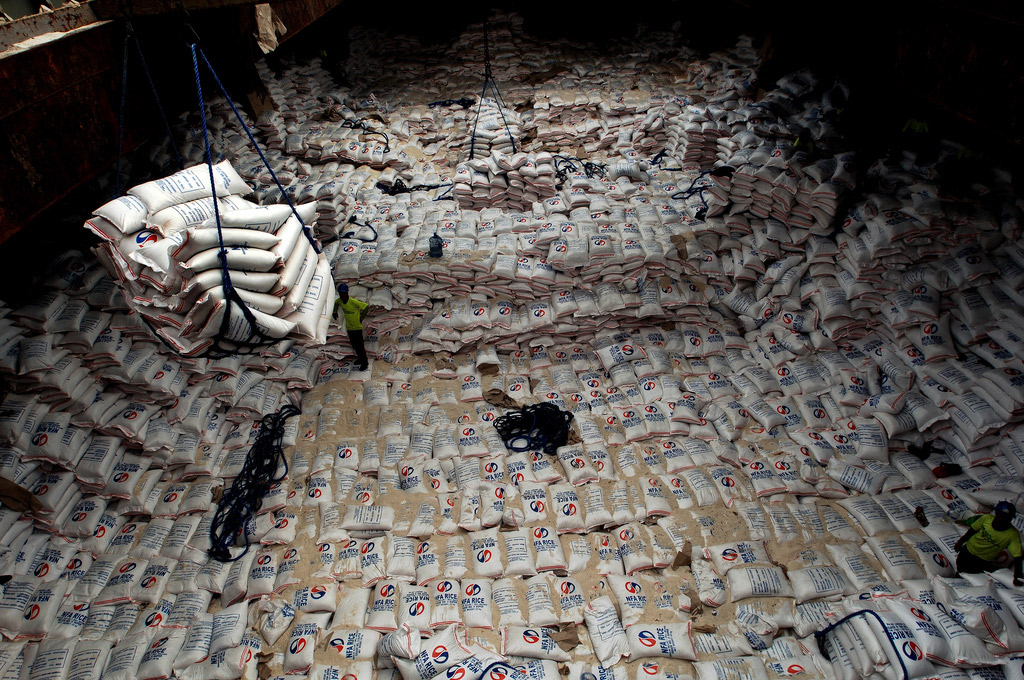
The global financial crisis may have slowed the consumption of various commodities, but Asian demand for grains (as food and feed) remains strong. The first World Grains Trade Summit held on 17 to 18 February 2009, organized by the Centre for Management Technology in Singapore, reported that demand for 2009...

Food security is back on the global agenda. With the recent food crisis, public attention has returned to issues of availability and affordability, particularly for the urban and rural poor. Responses to the accelerating changes in food stocks and prices in recent months ranged from interventions at the policy level to calls for longer term strategies, including greater...

In the October–December 2008 issue of Rice Today, I wrote an article (Rice crisis:, pages 40-41) the aftermath highlighting the 2008-09 supply and demand...

Compared with the prices of other cereals such as wheat and maize, rice prices were relatively subdued for much of 2007. In late 2007, however, prices...

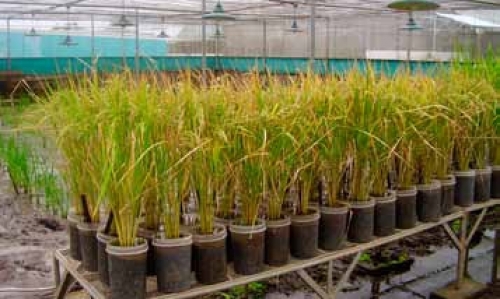
Rising fertilizer prices and misperceptions about environmental degradation in intensive agriculture have stimulated claims that so-called “low-input” technologies relying on organic nutrient sources may provide a more sustainable means of producing food crops and increasing farmers’ income. However, the sole use of organic technologies would likely perpetuate food...

Even before the dramatic price spike in early 2008, rice prices on the world market increased every year from 2001 to 2007. Never before in the post-World...

World market rice prices tripled between April 2007 and April 2008, with most of the increase coming early in 2008. While the world market price is an...

As we grapple with the world rice crisis, I think of Alexander Humboldt, Henry Bates, Alfred Russel Wallace, Charles Darwin, and Richard Spruce. These extraordinary naturalists wove their exceptional powers of observation into the bases of the modern sciences of biogeography, meteorology, geology, tropical biology, and evolution. Their wide interests and insight contributed...

It has been well documented that the Asian Green Revolution (GR), which began in the 1960s with the introduction of modern, high-yielding rice varieties,...

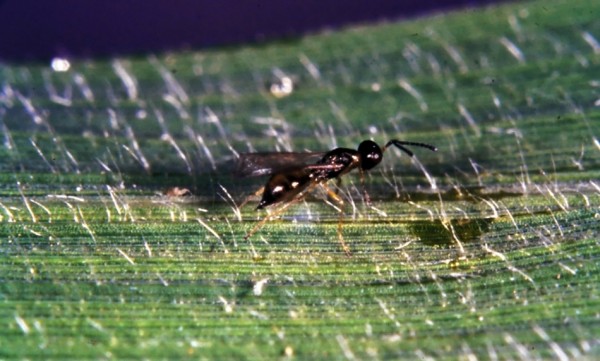
In the late 1960s, newly developed, high-yielding rice varieties launched the Asian Green Revolution, which rapidly pushed up yields and allowed rice production to keep pace with population growth. In the Philippines, as in many other countries, widespread use of pesticides expanded in step with the new varieties. This was largely due to concerns that crop losses from...