A pilot initiative in West Bengal is helping historically flood-prone farming communities prepare for a potential El Niño-driven drought in 2026 through hyper-local climate forecasting.
By Nairwita Bandopadhyay, Ranjitha Puskur, Prama Mukhopadhyay
The El Niño threat: Why it matters
El Niño, the periodic warming of sea-surface temperatures in the Pacific Ocean, is often associated with weaker monsoon circulation across South Asia. In 2026, scientists are monitoring evolving ocean-atmosphere conditions, with some forecasts raising concerns about the possibility of a Super El Niño event.
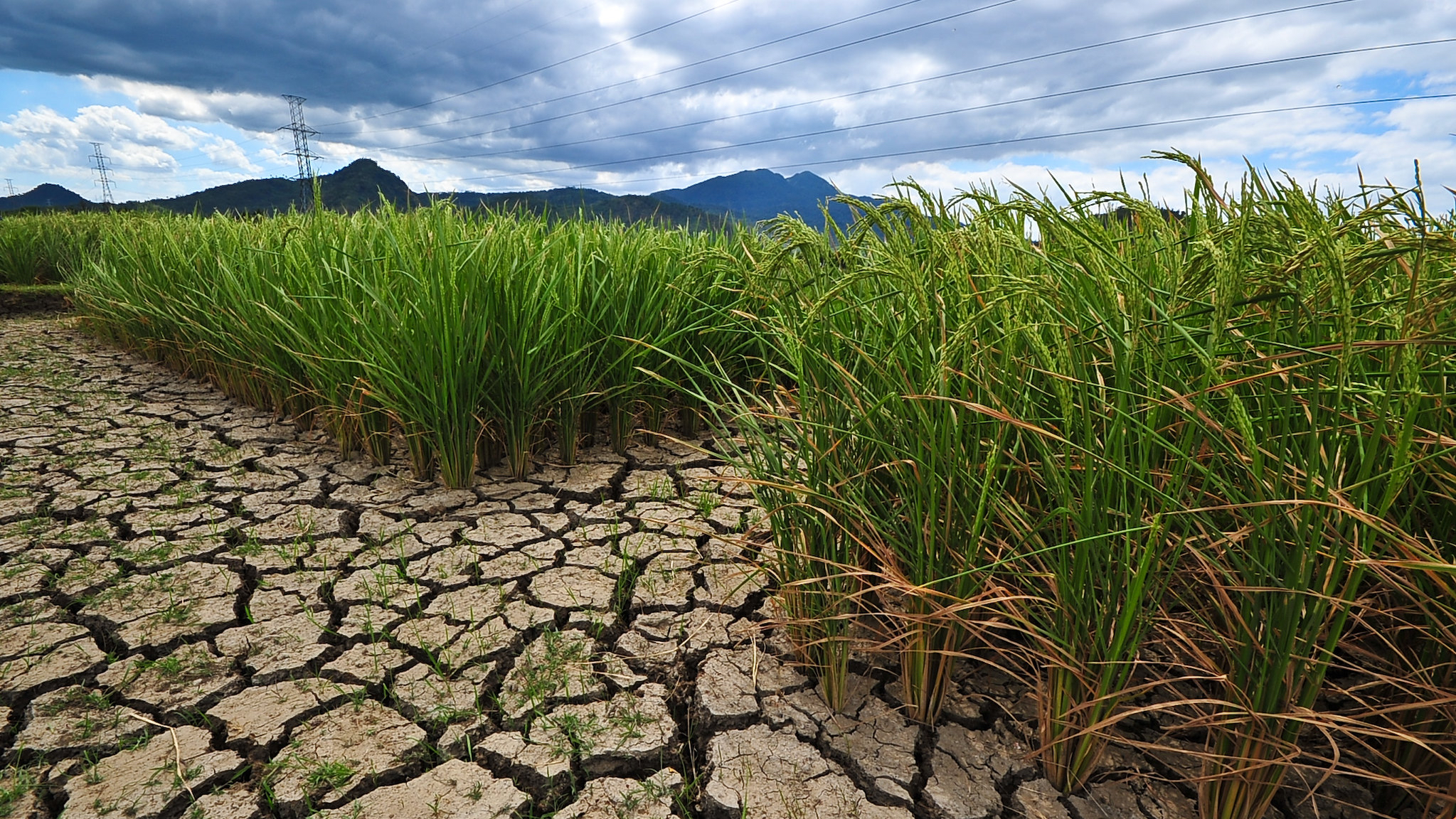
The official forecasts estimate a 60 percent probability of a weaker-than-average monsoon this year. For rice-growing regions, this matters because the success of the kharif (moonsoon) season depends heavily on the timely onset and distribution of rainfall. Delayed rains or prolonged dry spells during nursery establishment and transplanting can affect crop performance adversely.
Yet for farmers, the challenge is not simply how much rain falls but also when and where it falls. Seasonal forecasts provide a broad indication of expected monsoon performance but reveal little about the local rainfall patterns that ultimately shape decisions in the field.
This creates an unusual challenge. In parts of Eastern India, communities that have spent decades learning to live with floods and waterlogging are now having to prepare for the possibility of water scarcity as well. As climate variability increases, the distinction between flood-prone and drought-prone landscapes is becoming increasingly blurred.
Preparing for major shift from floods to drought
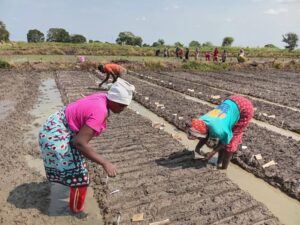
Since 2023, the International Rice Research Institute (IRRI), through support from the CGIAR Gender and Inclusion Accelerator, has been working with women farmers in West Bengal, India to understand how communities, particularly resource-poor women, adapt to climate uncertainty. One of the sites, Makaltala village in Habra I Block of North 24 Parganas district, experiences chronic flooding and prolonged waterlogging. Across Habra I and Habra II blocks,nearly 8,400 hectares are affected by flooding and waterlogging each year. In Makaltala, fields often remain submerged in under four to five feet of water for months, making traditional paddy cultivation increasingly difficult.
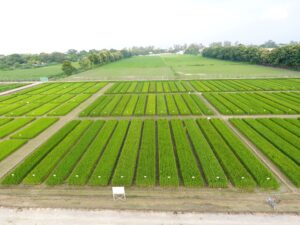
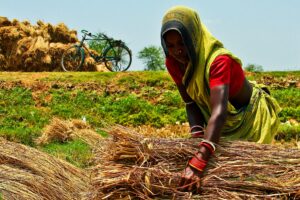
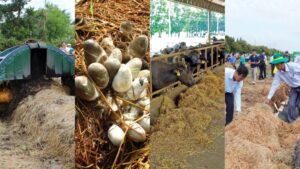
For women in these areas, the consequences extend beyond crop production. Many depend on paddy cultivation as it provides seasonal wage employment in transplanting, weeding, and harvesting activities. As paddy cultivation slowly becomes less viable, so too have opportunities for earning income. IRRI’s work has therefore focused on helping households adapt to excess water, including testing submergence-tolerant paddy breeding lines and exploring alternative livelihood options.
But now, El Niño introduces a different question: what happens when a community that has spent years adapting to flooding must suddenly prepare for the possibility of a drought?
Localized climate forecasting as a tool for adaptation
When adaptation can no longer rely entirely on historical experience, the ability to anticipate and respond to changing climatic conditions becomes increasingly important.
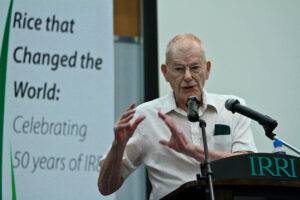
As Kamal Kishore has observed, one of the greatest challenges in preparing for El Niño is communicating probabilistic forecasts and sustaining public engagement around a phenomenon whose impacts evolve over time. He highlighted the importance of partnerships between scientists, governments, the media, and communities that can translate climate information into practical action.
This is precisely what IRRI is piloting in Makaltala.
Together with the Meghduutt Foundation, partner NGOs, and women farmers, the Learning Lab is building a local climate advisory system that combines scientific forecasts with community knowledge. Automatic Weather Stations are being installed to generate location-specific hyper-local weather information.
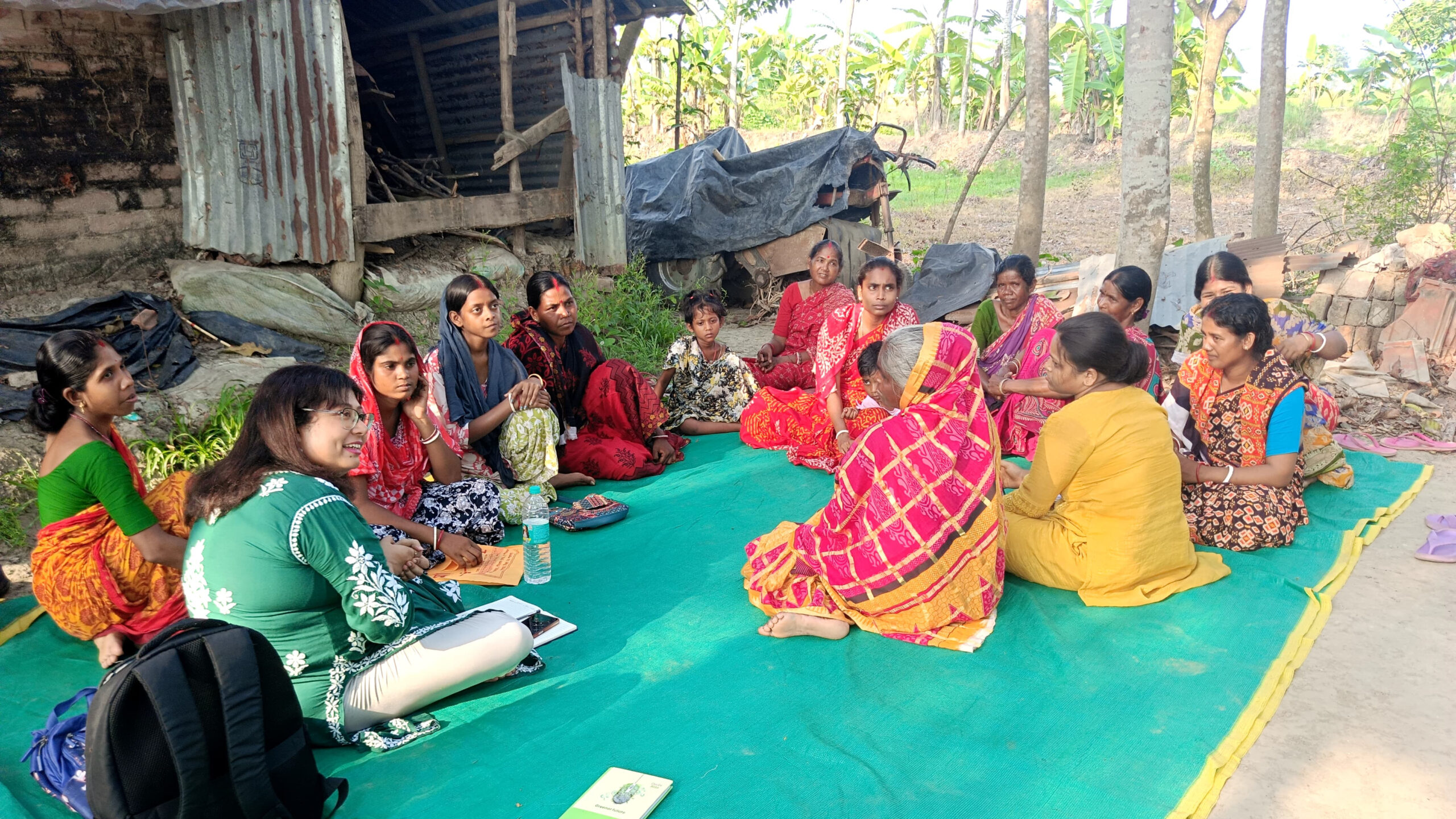
The greater challenge is effectively communicating this to women to encourage urgent action. While digital climate information services are expanding rapidly, access remains deeply unequal and Makaltala is no exception. Many women farmers in this area do not own smartphones, have limited control over household devices, and may feel uncomfortable using text-heavy applications. As a result, instead of relying on complex dashboards or mobile apps, weather forecasts, alerts, and updates are communicated through community meetings and WhatsApp voice messages in Bengali. The women selected this method as their preferred means of receiving information.
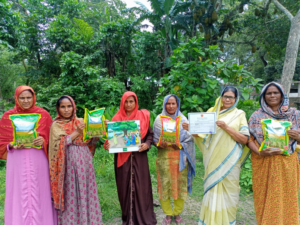
Lead women farmers are emerging as Climate Information Champions, helping interpret forecasts and relay information through existing community networks. This is particularly important for women who may not have direct access to mobile phones or digital platforms. These women now compare forecasts with what they observe, helping ground-truth forecasts and build a dialogue between scientific knowledge and lived experience.
The objective is not simply to improve weather forecasting. It is to create the social infrastructure that allows communities to anticipate risk, discuss options, and make informed decisions before a crisis unfolds. This effort aligns closely with the goals of the Early Warnings for All (EW4All) initiative, which seeks to ensure that every person on Earth is protected by life-saving early warning systems by 2027.
For some farmers, a forecast of below-normal rainfall during the transplanting window may mean delaying planting or reducing investments in paddy on marginal plots. For others, it may encourage greater emphasis on livestock and other livelihood activities. Household-level microplanning exercises are helping families think through these possibilities in advance, allowing them to prepare for different scenarios while retaining the flexibility to respond as conditions evolve.
The window is open, but not for long
El Niño 2026 may or may not unfold exactly as predicted. But it has already highlighted an important lesson: adaptation is no longer only about responding to floods or droughts. Increasingly, it is about building the capacity to navigate uncertainty itself.
The response emerging from the Learning Lab is not centred on a single technology or recommendation. It focuses on helping communities make informed decisions by bringing together scientific forecasts, local observations, community institutions, and the experiences of women farmers who navigate these uncertainties every day.
In Makaltala, this journey has already begun, and it started with a simple but difficult question: what should we do if the floods do not come?