- Billions depend on cereals like rice, wheat, and maize for protein, yet these staples lack essential amino acids, while high animal protein use in richer countries drives emissions and environmental strain.
- High-protein cereal varieties developed through biofortification and genetics can improve protein quality without yield loss, offering a scalable alternative to livestock-based protein.
- New breeding advances help crops maintain or increase protein under climate stress, supporting healthier diets and more sustainable food systems.
By Dr. Rhowell Tiozon, Myrtel Anne Valenzuela
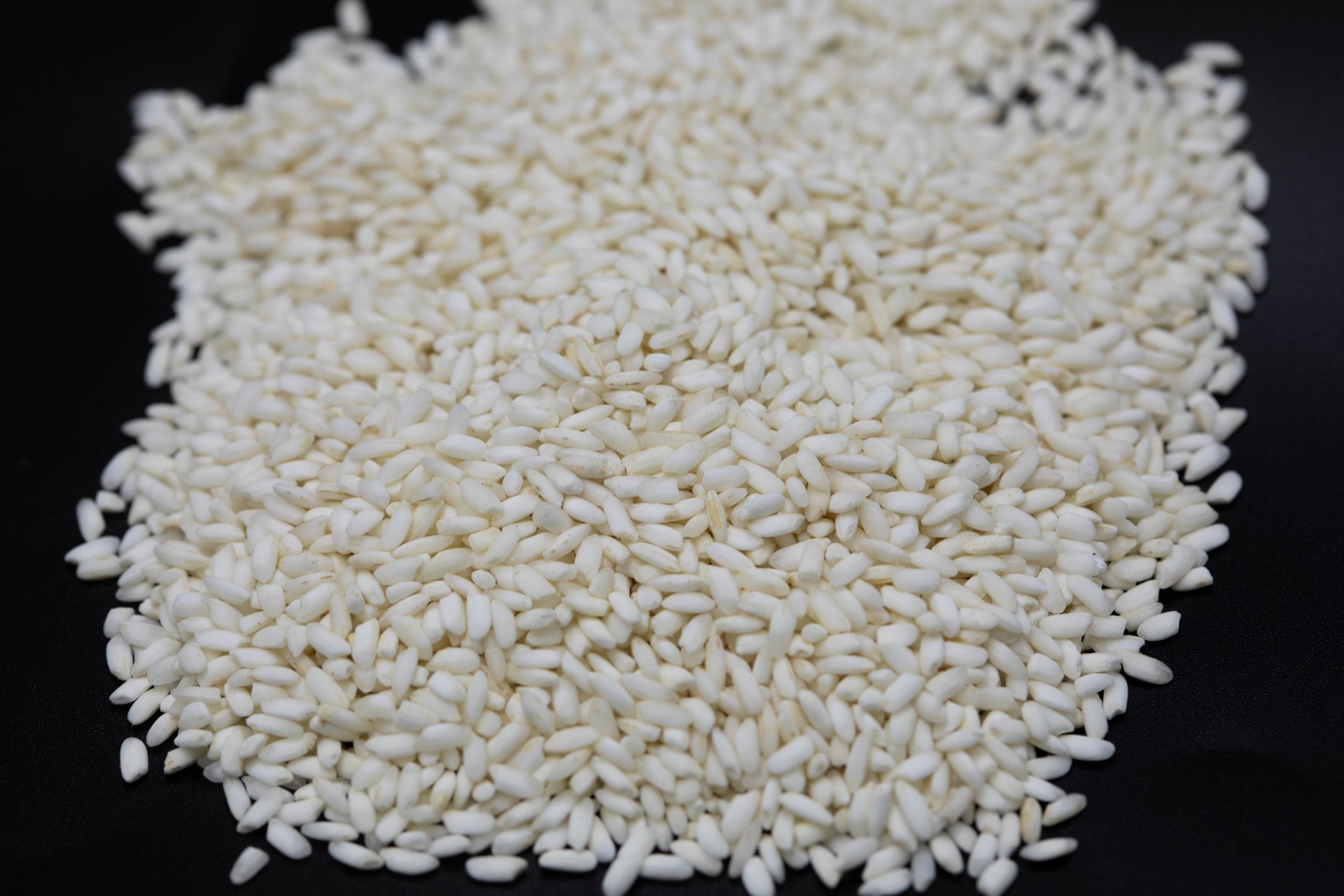
Protein malnutrition remains a pressing global challenge, especially in regions where cereals dominate daily diets and access to diverse protein sources is limited. Rice, wheat, and maize provide most of the world’s calories, yet their proteins are often low in essential amino acids (EAAs), leaving billions at risk of nutrient deficiencies. Improving both the quantity and quality of cereal protein offers a practical opportunity to enhance human health while reducing reliance on environmentally intensive animal-based foods.
The protein gap in global diets
Protein is essential for growth, immunity, and cellular repair. Yet over a billion people, mainly in sub-Saharan Africa, South Asia, and parts of Southeast Asia, do not meet their protein needs. In these regions, cereals like rice, maize, sorghum, and millet supply 50–70% of dietary protein but are low in lysine and other EAAs. Legumes help complement cereal proteins, but animal-based foods remain limited due to cost and accessibility.
In contrast, high-income regions rely heavily on animal proteins such as beef, dairy, pork, eggs, and poultry. While nutritionally dense, these foods have high environmental costs. Animal-based foods often account for 50–70% of food-related greenhouse gas emissions in many regions, with beef producing the highest emissions per unit of protein. On the other hand, plant-based proteins, including cereals, legumes, and vegetables, generate far fewer emissions while still providing essential nutrition.
Opportunities through biofortification
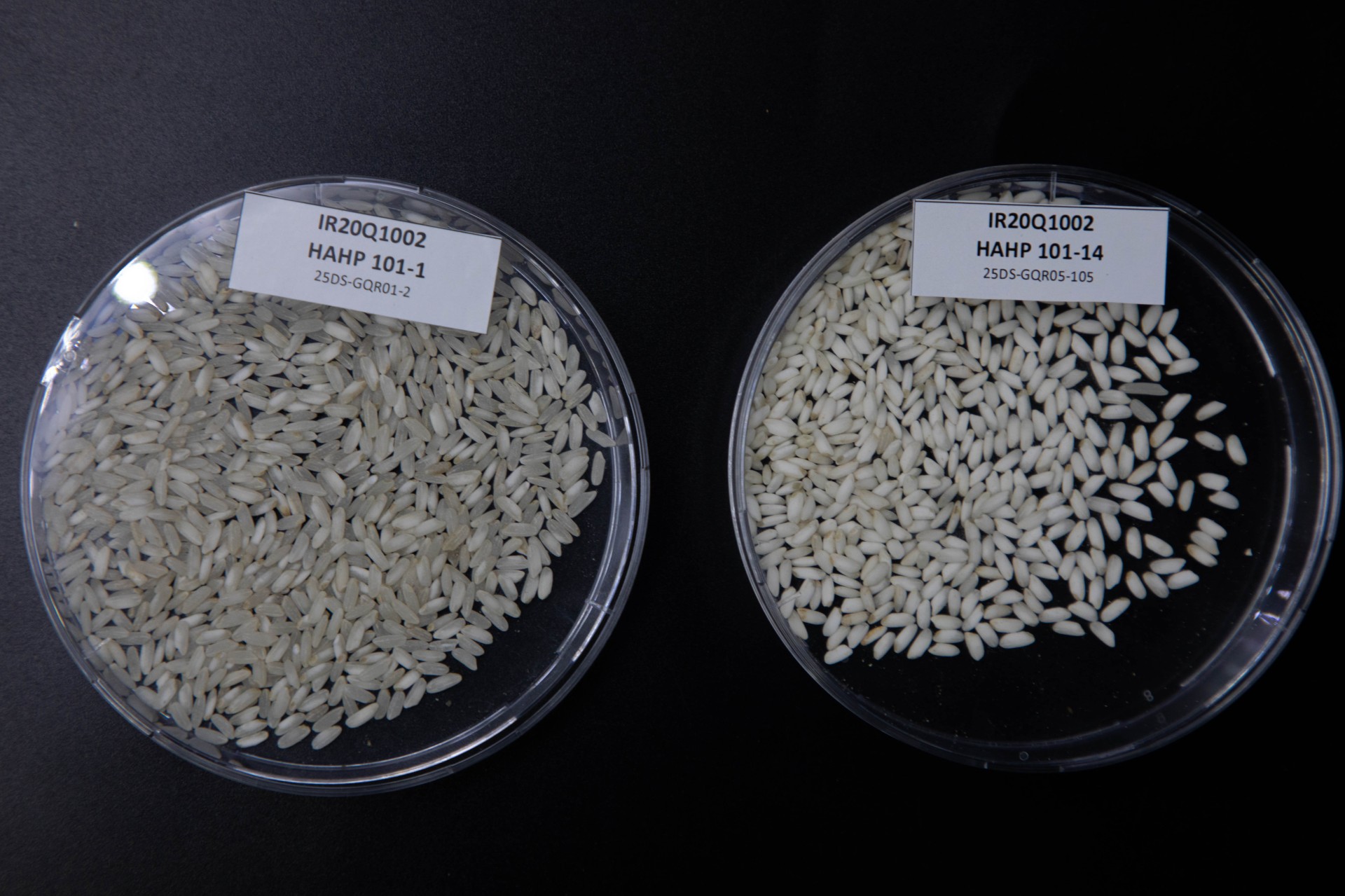
Enhancing the protein content and quality of cereals is critical to meet the nutritional needs of a projected 9.8 billion people by 2050. Even small dietary shifts, like replacing 5% of carbohydrates with protein, can reduce risks of non-communicable diseases. Improving protein levels, amino acid balance, and digestibility in cereals represents a scalable and equitable strategy to close global protein gaps while reducing reliance on livestock systems.
High-protein cereals also align with the Planetary Health framework, benefiting human health, environmental sustainability, and climate resilience. By delivering more protein per unit of land, they provide a solution that is both nutritionally and environmentally efficient.
Linking protein, yield, and climate resilience
Historically, cereal breeding focused on increasing yields, producing starch-rich grains that often diluted protein content. Some cereals, such as rice and maize, however, can continue to absorb nitrogen during grain development, thereby helping maintain protein levels even in high-yielding varieties.
Researchers have identified natural genetic solutions to boost protein without sacrificing yield. For example, crossing maize with its wild ancestor, teosinte, revealed the THP9 gene, which increases grain protein by 25–30% by improving nitrogen use efficiency. In rice, overexpressing the OsASN1 gene similarly raises grain protein while maintaining high yield.
Climate change adds another layer of complexity. Elevated carbon dioxide can dilute protein in wheat and rice, while heat stress may alter grain structure and digestibility. In rice, regulators such as NF-YA8 influence grain chalkiness under heat, yet some indica varieties maintain both yield and protein quality despite high temperatures.
Modern breeding for high-protein cereals
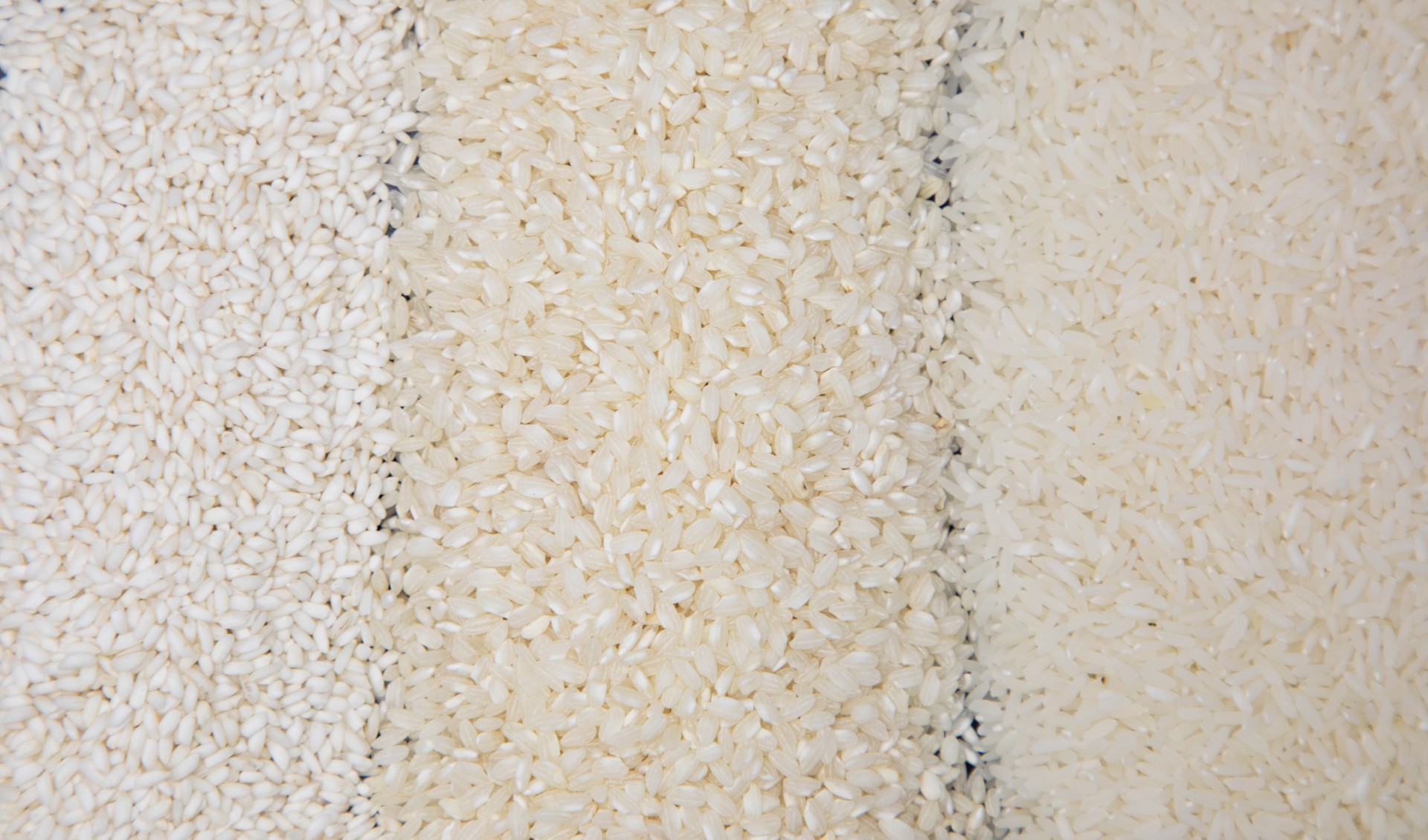
Advances in plant breeding now allow scientists to combine multiple genes to improve protein content and quality without reducing yield. Key genes, including OsAux5, OsWRKY78, O2, and O16, are being targeted to enhance EAAs.
In maize, high-lysine traits have been successfully combined with Vitamin A-rich and high-yielding backgrounds, resulting in more than 39 quality protein maize (QPM) varieties released across Africa, Asia, and Latin America.
In rice, the IR36ae allele, derived from IRRI’s IR36 variety, enables the development of high-lysine, elevated-protein lines in high-yielding, early-maturing backgrounds, without compromising cooking quality.
Conclusion
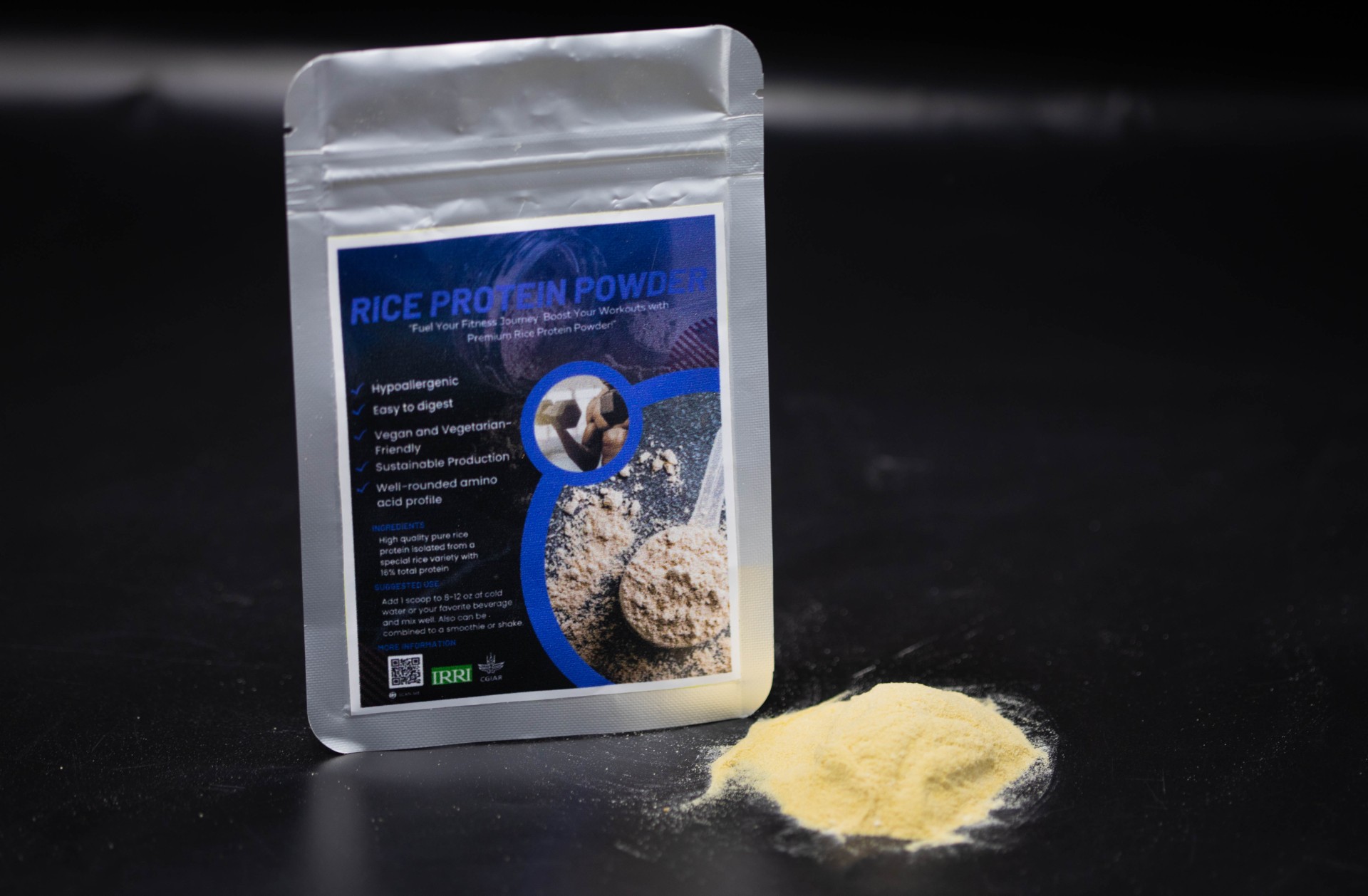
Enhancing cereal protein offers a practical way to improve nutrition in farming systems with limited crop diversity. Shifting protein intake from red and processed meats to plant-based sources can be achieved in the short term by combining cereals and legumes to provide a complete amino acid profile.
In the long term, high-protein cereals could provide an equitable, climate-friendly alternative that delivers essential nutrition while reducing dependence on environmentally intensive livestock systems.
Read the paper:
Rhowell Tiozon Jr, Junpeng Zhan, Christian Dominic De Guzman, Zhengzhou Li, Xueyong Zhang, Jianbing Yan, Nese Sreenivasulu & Alisdair R. Fernie
Cereal protein biofortification at the interface of nutrition, yield and sustainability
Nature Plants, Volume 12, Pages 683–694 (2026)
https://www.nature.com/articles/s41477-026-02252-5