- Komboka’s adoption grew significantly, but farmers’ decisions were shaped by yield, market prices, grain quality, and production costs.
- Eight years later, farmers are reporting yellowing plants and declining yields, but researchers have not yet established whether the cause is disease, iron toxicity, crop nutrition, or a combination of factors.
- The experience highlights the need for continued farmer engagement after variety release, so researchers can respond to emerging problems and use farmers’ experience to improve future rice varieties.
By Helena Shilomboleni and Melanie Connor
Eight years of farmers’ experience with the Komboka rice variety (IR05N221) in Kenya show us that crop improvement cannot stop when a variety is released. Continued engagement with farmers can help researchers identify emerging production constraints, improve extension support, and feed lessons from farmers’ fields back into the breeding process.
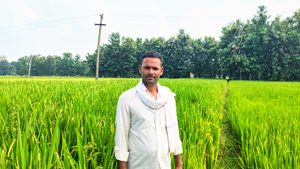
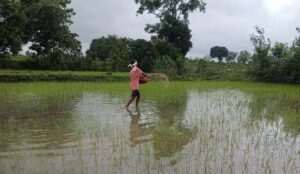
In the irrigated rice fields of Mwea, Kenya, farmers have long faced a familiar trade-off: should they prioritize the rice that commands the best market price, or the variety that can produce substantially more grain from the same area of land? For many farmers, Komboka offered an attractive alternative to the second part of that question.
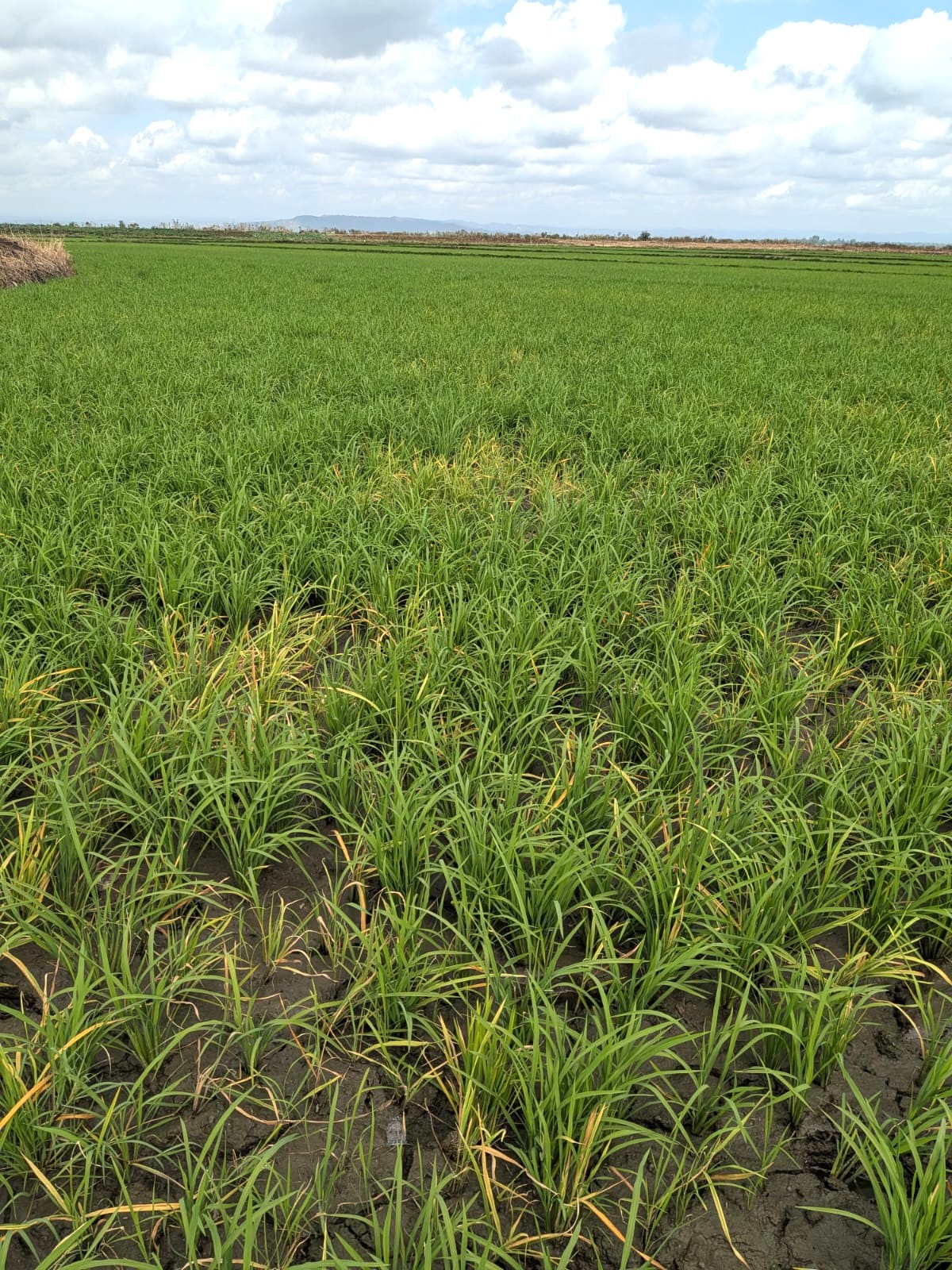
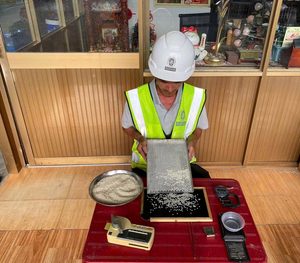
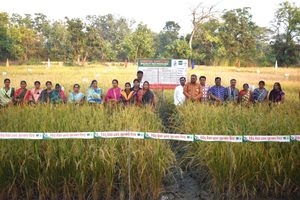
Komboka, an improved inbred rice variety, was first introduced in Kenya in 2013. Adoption was initially limited, reported at less than 3% nationally for six years following its commercial release (Ng’endo et al. 2022). However, this changed drastically from 2019 onwards following collaborative efforts between the International Rice Research Institute (IRRI), the Kenya Agricultural and Livestock Research Organization (KALRO), and other domestic partners to scale the variety. Within a few years, farmers’ uptake of Komboka increased considerably, from less than 3% in 2019 to approximately 25% in Mwea, to more than 90% in Tana River, Kirinyaga County by 2024 (Shilomboleni et al. 2026). Farmers identified high yield, stress tolerance, and grain quality among the characteristics they valued in the variety.
In Mwea, however, Komboka did not replace the area’s famous aromatic Basmati 370 rice, locally known as Pishori. Pishori could sell for around KSh 90 (0.69 USD) per kilogram of paddy, compared with approximately KSh 60 (0.46 USD) per kilogram for Komboka. But the yield difference moved in the opposite direction. Farmers reported yields of around 1.7–2.2 tonnes per hectare for Pishori, compared with around 5 tonnes per hectare for Komboka. This illustrates that farmers’ varietal choices are rarely determined by agronomic performance alone.
Eight years on, a different picture emerges
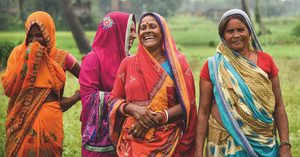
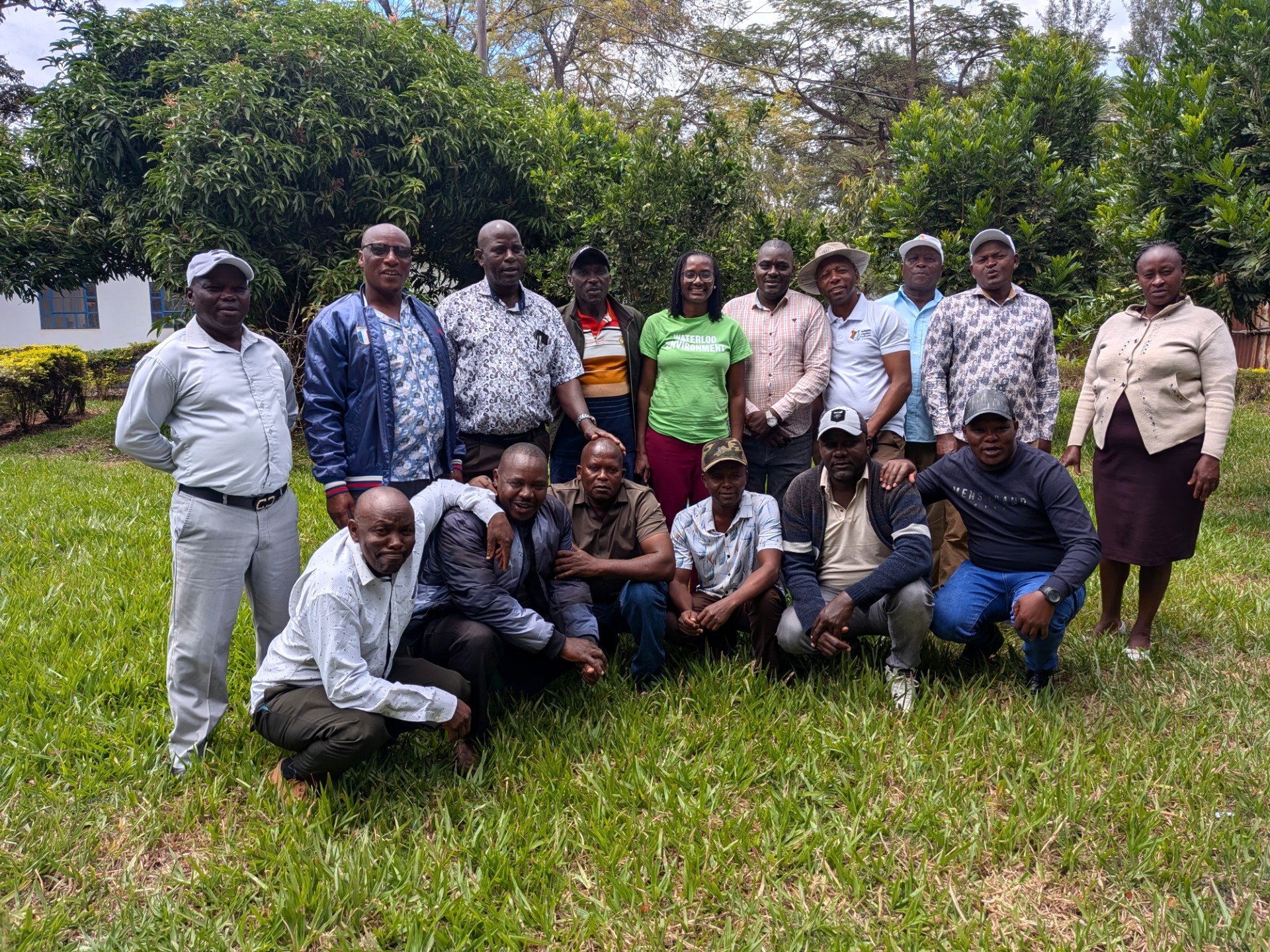
In 2026, researchers returned to Mwea to understand how farmers’ experiences with Komboka had evolved. The follow-up research visit included two focus group discussions involving 15 farm leaders and seven women rice farmers, together with discussions with other actors in the local rice sector, including the Mwea Rice Growers Multipurpose Cooperative Society (MRGM) farmers’ cooperative, scientists, and agricultural officers working in Mwea.
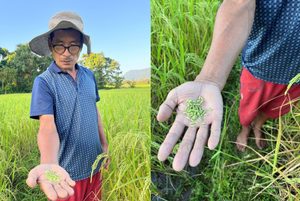
The conversations revealed an important change. Farmers reported increasing yellowing of Komboka plants in their fields and associated declines in yield. Many believed the symptoms were caused by Rice Yellow Mottle Virus (RYMV), and some reported that they had stopped growing Komboka as a result.
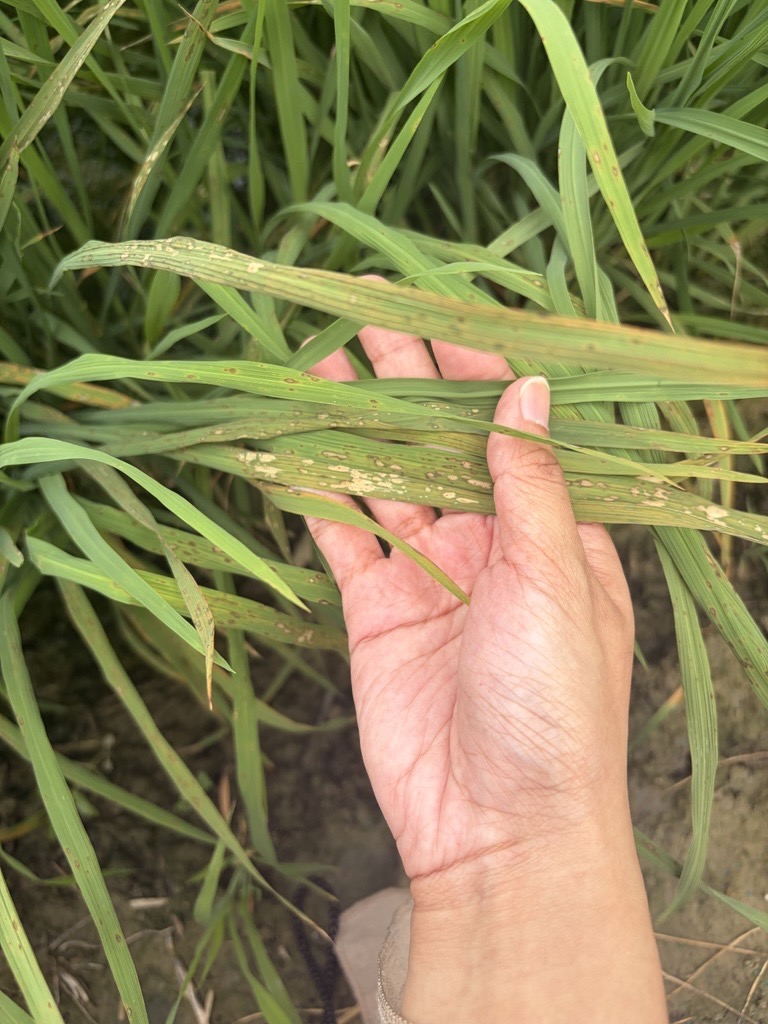
But there is an important complication: stakeholders do not yet agree on the cause of the problem. Scientists from KALRO offered a different explanation. Based on soil samples collected from around 100 farms, they reported high levels of iron toxicity and considered this a likely explanation for the yellowing. Some extension professionals, however, shared the farmers’ interpretation that RYMV was responsible. They questioned the iron-toxicity explanation because, in their view, other rice varieties grown under the same conditions would also be expected to show symptoms.
A third possibility also warrants investigation: crop nutrition. Komboka requires appropriate nutrient management to perform well, entailing adequate and timely applications of fertilizers and other inputs. However, high production costs and the current fertilizer shortage may influence farmers’ crop management practices.
At this stage, all these remain competing explanations. Determining whether disease, soil conditions, nutrient management, or a combination of factors is responsible requires further investigation.
When farmers receive different answers
For farmers however, this scientific uncertainty has immediate consequences. A farmer standing in a yellowing rice field needs to know what action to take. If the problem is RYMV, the appropriate response will be different from the response required for iron toxicity or inadequate crop nutrition. Conflicting diagnoses can therefore undermine farmers’ ability to respond and, ultimately, reduce their confidence in a variety.
This experience with Komboka points to the importance of bringing breeders, agronomists, plant health specialists, soil scientists, extension services, and farmers together to diagnose emerging problems and provide clear and consistent recommendations. Once the underlying cause has been established, farmers will also require practical extension support to manage it. This is particularly important for varieties such as Komboka, whose performance can depend on appropriate crop management. A variety’s potential yield under experimental conditions does not automatically translate into the same performance in farmers’ fields.
There is also a broader lesson for crop improvement. Before release, new rice varieties usually undergo extensive evaluation but under controlled experimental field stations where crops receive optimal amounts of farm inputs (Schnurr and Dowd-Uribe 2021) However, the growing conditions of these experimental research plots are drastically different from the highly variable agro-ecological environments and socio-economic contexts in which smallholder farmers operate. Farmers grow crops under highly variable soil, water, and pest conditions. They may not have access to optimal fertilizer rates or other inputs. They make decisions based on labor availability, input prices, market demand, household resources, and perceived risk. These realities can reveal characteristics of a variety that are difficult to observe under experimental conditions.
The experience with Komboka therefore reinforces the value of testing new breeding lines under real farming conditions and involving farmers throughout the process. Future generations of Komboka or potential replacement varieties should not only be evaluated for yield and grain quality under well-managed trials. Their performance should also be assessed in real farmer fields, including under the input and management conditions that farmers actually face.
The most important lesson from Komboka is that monitoring should not end once a variety is released and adoption begins to increase. Rapid expansion is understandably viewed as a measure of success, but adoption figures do not tell us what happens next. Do farmers continue growing the variety? Are yields maintained? Do new pests, diseases, or soil constraints emerge? Does the variety remain profitable as market prices and input costs change? How do women and men farmers experience the technology differently? And when farmers encounter a problem, does that information reach breeders and other researchers quickly enough to influence the next generation of technologies?
Regular engagement with farmers after varietal release can provide this feedback. In Mwea, farmers’ experiences with Komboka have changed over time, and understanding why is important both for addressing the immediate challenges, and for improving how rice varieties are developed and supported in the future.
In the longer term, lessons from farmers’ fields should inform the development and testing of future rice varieties. The farmers who adopt a new variety are not simply their end users. They are also generating evidence about how that variety performs in complex environments for which it was developed. Eight years after Komboka reached Kenya’s farmers, their experience is a reminder that varietal release is not the end of crop improvement.
References:
Ng’endo, M. Kinyua, L. Chebet, S. Mutiga, J. Ndung’u, O. Nyongesa, S. Njau, P. Ajay, R. Musila, and R. Murori. 2022. The importance of market signals in crop varietal development: lessons from Komboka rice variety.CABI Agriculture and Bioscience 3:57.
Shilomboleni, H., Schnurr, M.A. and Connor, M. 2026. Collaborative Seed System Partnerships in Africa: Debates and Considerations for Transformative Impact. Agriculture and Human Values, 43, 173 (2026). https://doi.org/10.1007/s10460-026-10992-5.
Schnurr, M.A, and Dowd-Uribe, B. 2021. Anticipating farmer outcomes of three genetically modified staple crops in sub-Saharan Africa: Insights from farming systems research. Journal of Rural Studies 88 (2021) 377–387.