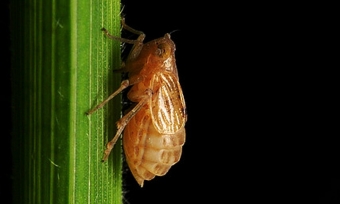
In 2002, the Republic of Korea (South Korea) had four major problems in rice: blast, bacterial blight,...
breeding
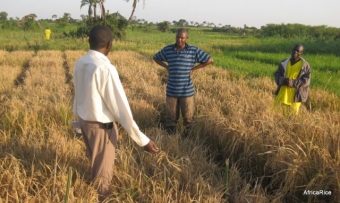
Rice breeders in sub- Saharan Africa are an endangered species, according to Dr. Moussa Sié, Africa Rice...
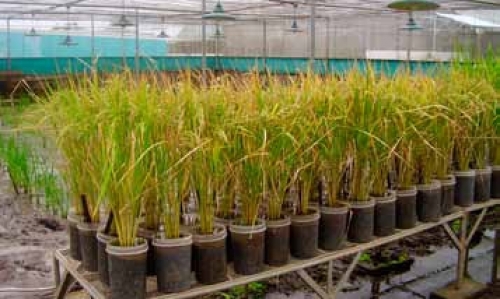
Iron deficiency and iron deficiency anemia cause a range of health problems in humans, including increased chances...
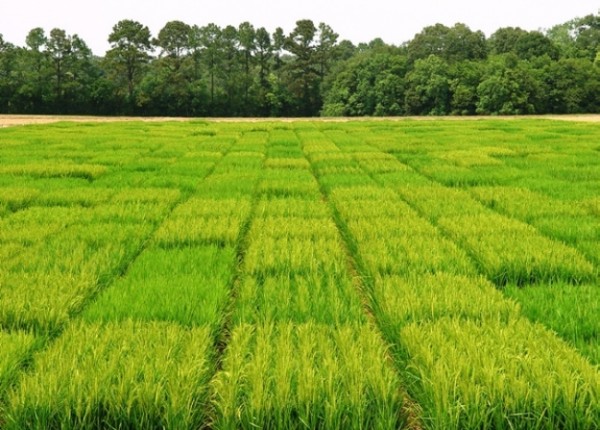
The development of rice varieties helps guarantee sustainable rice production in the state of Louisiana and elsewhere...
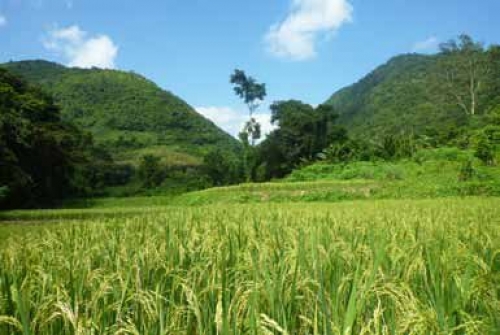
Fears of food shortages following the rice crisis in 2007 and 2008 have prompted a dramatic shift...
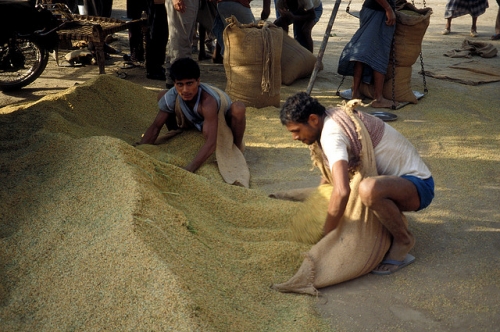
During the 1943 Bengal famine, 3 to 4 million people died because of widespread starvation. Since then,...
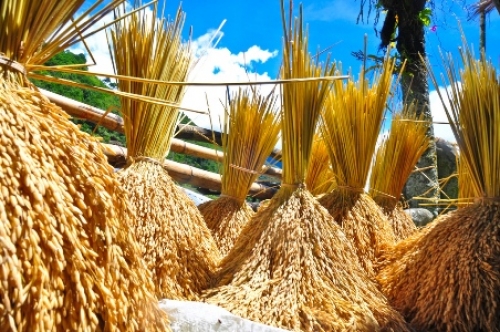
For thousands of years, the indigenous tribes of the mountainous Cordillera region in the northern part of...
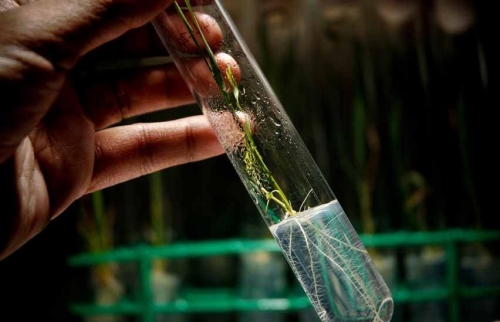
New rice varieties have revolutionized rice production around the world. Despite devastating stresses attributed to climate change,...
The human population and demand for food are projected to increase in the next 40 years. With...