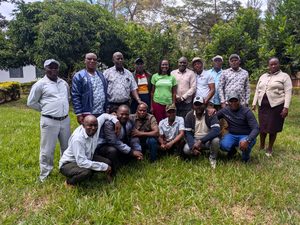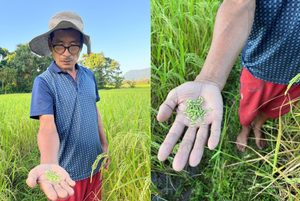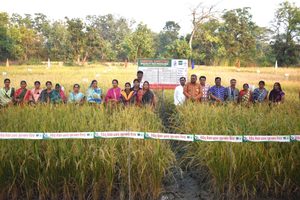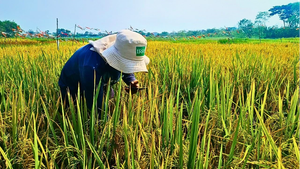
- Collaborative breeding brings countries together to jointly develop improved rice varieties through the exchange of breeding materials, data, and expertise.
- The Trait Factory complements this model by rapidly improving popular rice varieties with multiple valuable traits while preserving the qualities farmers already know and trust.
- Together, these complementary approaches can accelerate the development of climate-resilient, high-performing rice varieties and strengthen breeding programs across Asia.
By Dr. Michael Quinn, Dr. John Damien Platten, and Myrtel Anne G. Valenzuela
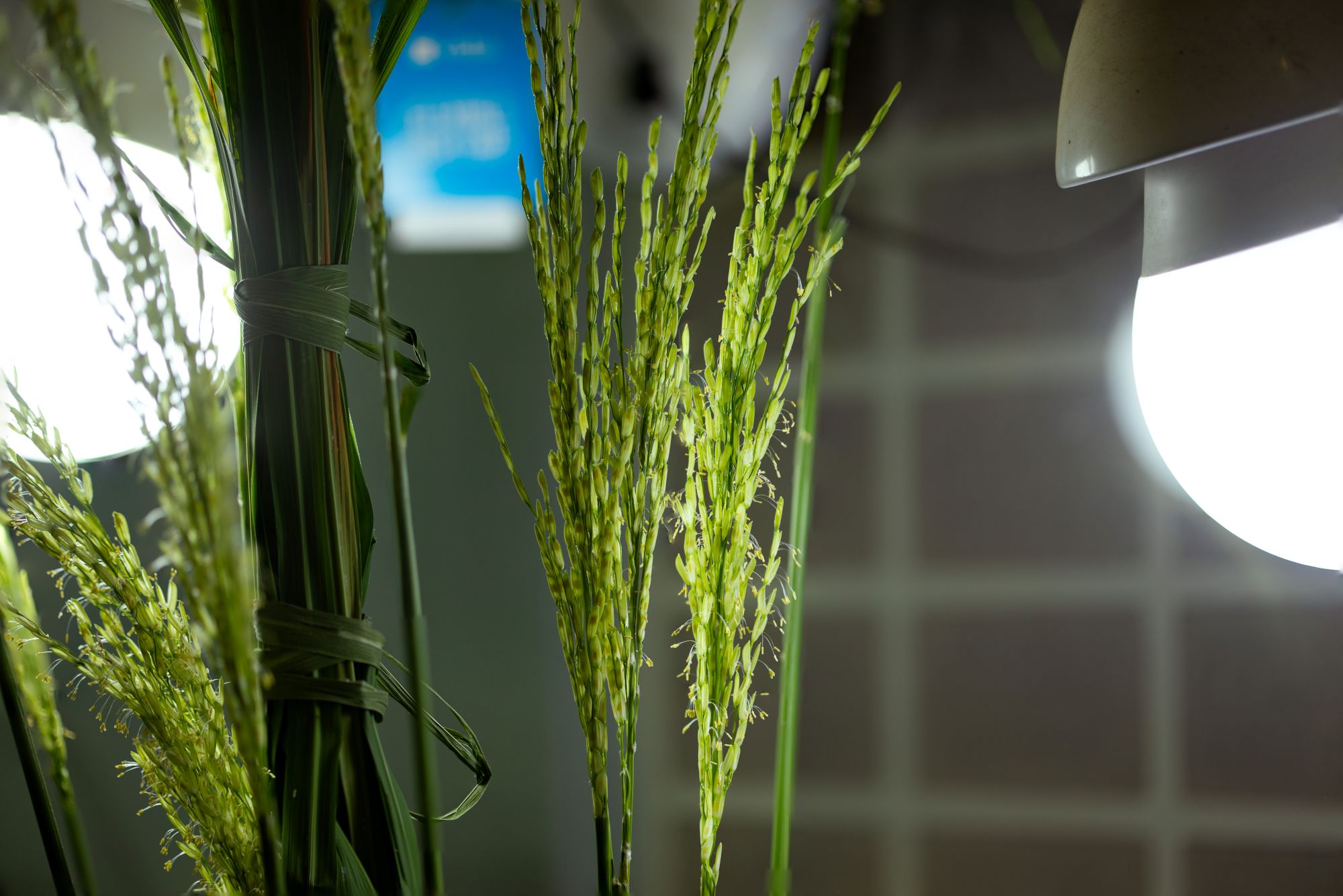
A new challenge for rice breeding
Rice breeding has transformed agriculture for decades, delivering higher yields, improved disease resistance, and better livelihoods for millions of farmers. However, the challenges facing agriculture are evolving faster than ever before.
Climate change is bringing more frequent droughts, floods, heat stress, and salinity intrusion. Pests and diseases continue to emerge, while farmers and consumers are demanding rice varieties that are resilient, productive, and able to meet changing expectations for grain quality and nutrition.
These challenges extend beyond national borders. Across Asia, breeding programs are working toward many of the same objectives, developing rice varieties that can thrive under increasingly unpredictable conditions. Yet much of this work has traditionally been carried out independently, limiting opportunities to exchange knowledge, breeding materials, and scientific advances.
For Dr. Michael Quinn, Research Director of Rice Breeding Innovations at the International Rice Research Institute (IRRI), this presents an opportunity to rethink how rice improvement is organized.
“Many challenges and breeding objectives are shared across Southeast Asia,” Dr. Quinn said.” Those common priorities create opportunities for countries to leverage one another’s work rather than duplicating efforts independently.”
Collaboration as the next frontier
Collaborative breeding is not a new breeding technique. It is a new way of organizing rice breeding across countries.
The model connects national breeding programs through a regional network where partners exchange germplasm, breeding lines, field performance data, and technical expertise. Promising breeding materials can be evaluated across multiple environments, producing stronger evidence, reducing duplicated effort, and helping breeders identify superior varieties more quickly.
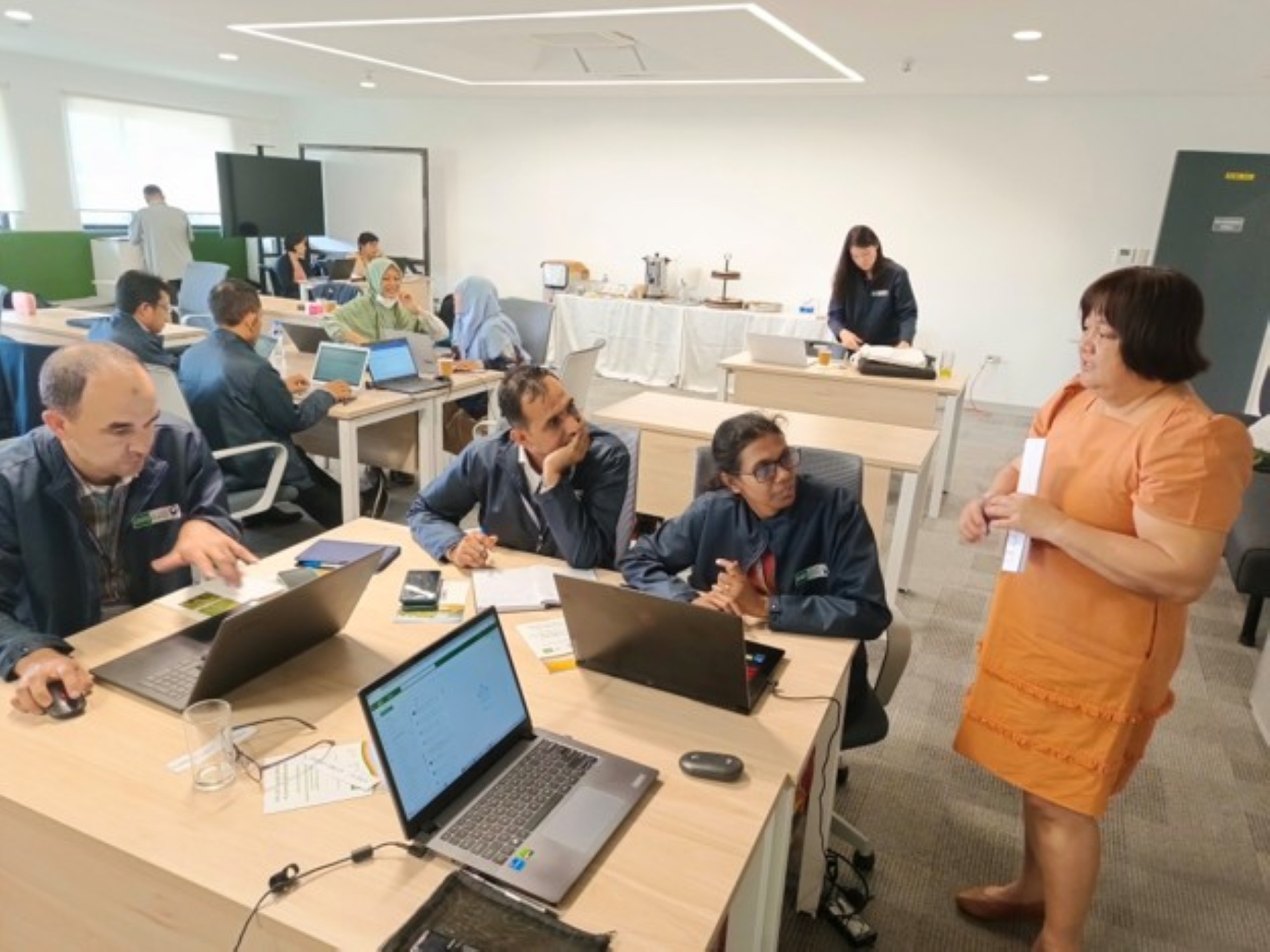
Collaborative breeding also enables countries to address common technical challenges together, strengthen breeding capacity, and coordinate investments around shared priorities. Rather than replacing national breeding programs, it strengthens them. Each country continues to pursue its own breeding objectives while contributing to and benefiting from a broader regional innovation network.
However, collaboration alone does not produce improved rice varieties. It creates the conditions for countries to share knowledge, identify promising traits, and generate stronger breeding materials. The next step is turning those shared discoveries into improved varieties that farmers can grow.
Introducing the Trait Factory
This is where the Trait Factory comes in.
Developed by IRRI, the Trait Factory is a breeding platform that rapidly improves rice varieties farmers already know and trust. Rather than developing entirely new varieties, breeders introduce valuable traits into existing varieties while preserving nearly all of their original genetic identity. At IRRI, this process is known as variety polishing.
Dr. Quinn describes the concept with a simple vision: “Imagine being able to rapidly add durable disease resistance, improved grain quality, and tolerance to drought, salinity, flooding, heat, and cold into existing rice varieties.”
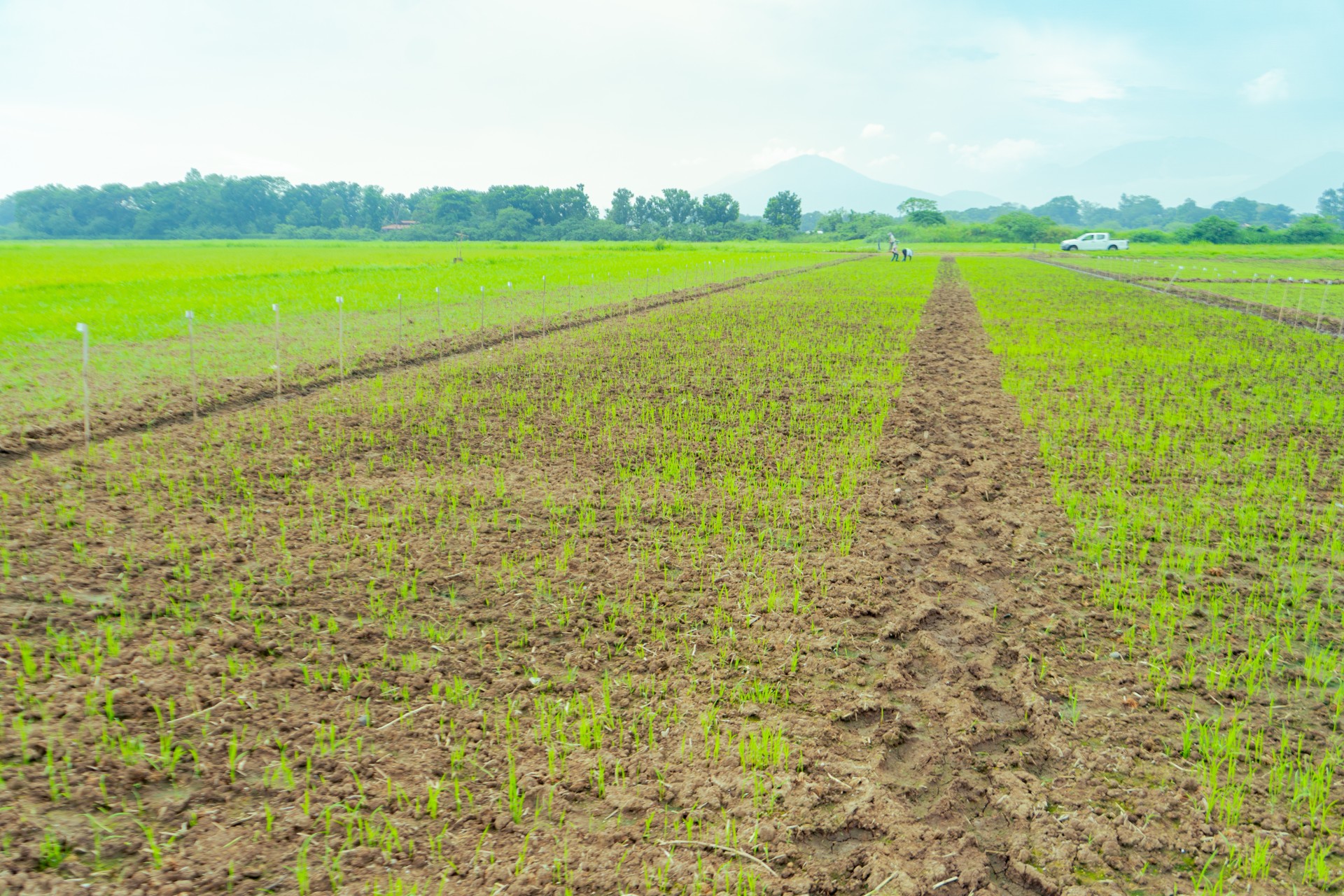
The platform combines multiple breeding technologies to introduce packages of more than 15 valuable traits, bringing in genetic discoveries that have been delivered through the Trait Development Pipeline. These include resistance to major diseases and pests, tolerance to climate-related stresses, improved grain quality, earlier maturity, and higher yield potential. Throughout the process, up to 99 percent or more of the original variety’s genetic makeup is retained.
“Pests and diseases continue to evolve, so our breeding strategies must evolve faster,” said IRRI Scientist Dr. Damien Platten.
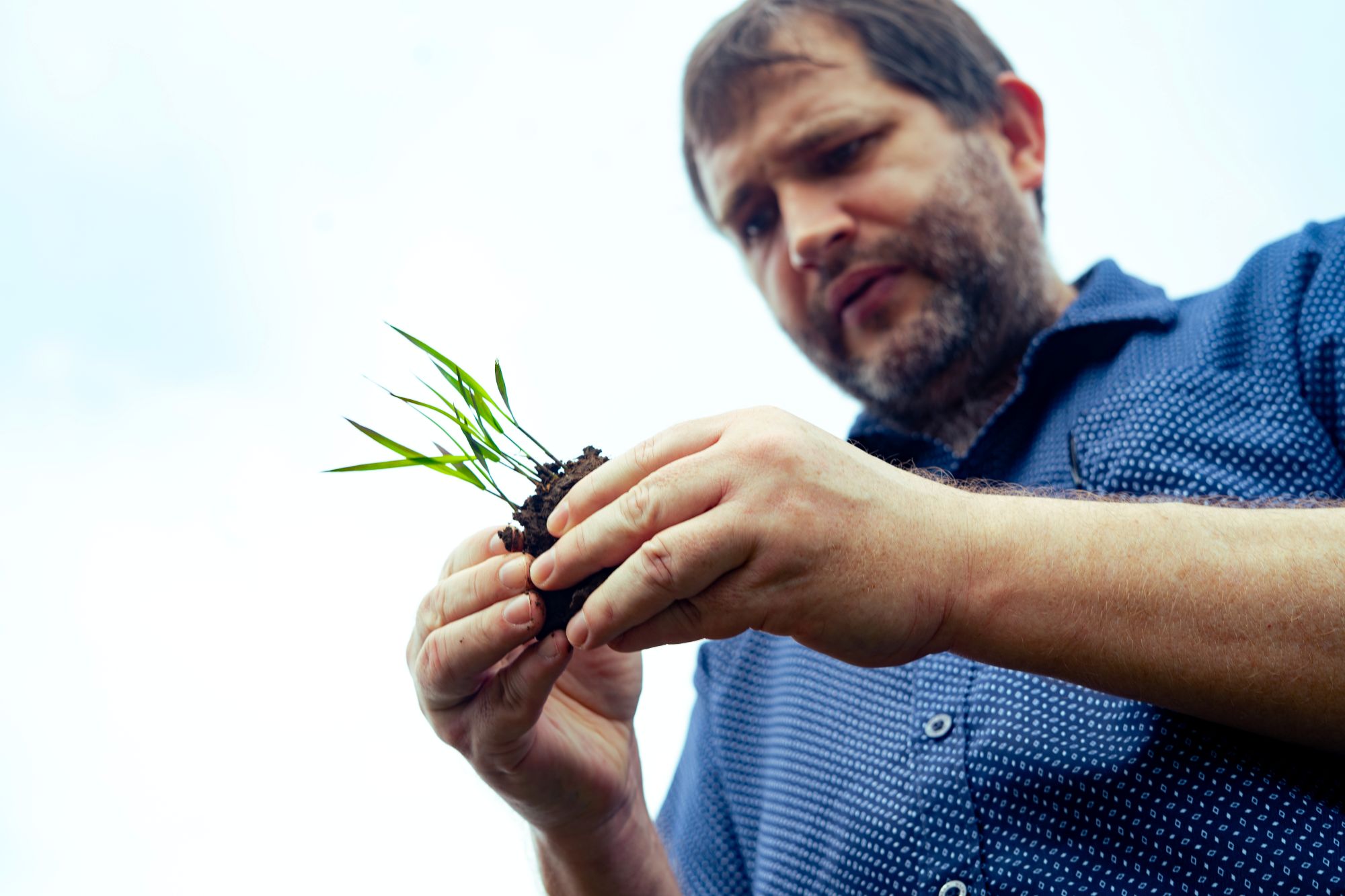
“Combining multiple resistance genes helps extend the effectiveness of those traits. Disease resistance also needs to be combined with robust stress tolerance to keep pace with climatic challenges. Because the Trait Factory is designed as a reusable platform, breeders can continue adding new genes as challenges evolve, keeping today’s successful varieties productive and resilient well into the future,” he added.
Building better varieties without starting over
Conventional marker-assisted breeding has successfully introduced important traits into rice varieties for many years. However, it often focuses on one or two genes at a time. As new challenges emerge, breeders repeat the process to introduce additional traits.

The Trait Factory combines multiple beneficial genes in a single variety. Instead of improving one characteristic at a time, breeders can add up to 15+ traits and strengthen disease resistance, climate resilience, grain quality, yield potential, and other valuable traits together.
Another advantage is familiarity. Farmers receive an improved version of a variety they already cultivate instead of an entirely new variety. The improved variety retains the characteristics they value while offering additional benefits, making adoption easier.
From concept to application
The Trait Factory is already demonstrating its potential.
One example comes from the Philippines, where researchers improved NSIC Rc222, the country’s most widely grown rice variety. The resulting variety, NSIC Rc784, retained more than 99.8 percent of the original variety’s genetic identity while introducing softer cooking quality and achieving an approximately 4 percent yield increase. The result shows that popular rice varieties can be improved without losing the characteristics that made them successful among farmers.
As more countries participate in collaborative breeding, improvements like these can be shared more widely. Breeding materials developed in one country can be evaluated, refined, and adapted by partners across the region, allowing scientific advances to benefit multiple national breeding programs rather than remaining within a single institution.
A shared vision for the future
Collaborative breeding and the Trait Factory are two parts of the same innovation model.
Collaborative breeding provides partnerships through which countries identify shared breeding priorities, exchange knowledge and breeding materials, and evaluate promising varieties across diverse environments. The Trait Factory provides the breeding platform that rapidly translates those shared discoveries into improved rice varieties.
For Dr. Quinn, the vision extends beyond a single institution. He sees the Trait Factory as a global resource that enables countries to identify shared breeding priorities, exchange expertise, and determine the most effective approaches for developing improved rice varieties.
“The Trait Factory should function as a global resource rather than being confined to a single institution,” he said. “International collaboration is essential for identifying breeding priorities, sharing expertise, and determining the most effective ways to develop improved varieties.”
As climate pressures intensify and breeding challenges become increasingly complex, no single country can address them alone. Collaborative breeding and the Trait Factory offer a new model that strengthens breeding programs, accelerates innovation, and delivers climate-resilient, farmer-preferred rice varieties to the people who need them most.