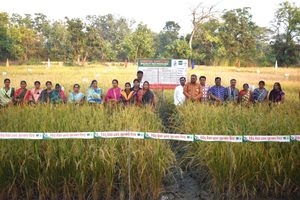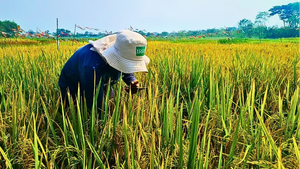
- Across 15 districts, the TARAPS project is helping farmers build the skills to produce and manage quality rice seed locally.
- The work connects seed production with climate-smart technologies that can help farmers manage water, labor, and input costs.
- To sustain these efforts at community level, proposed Seed Production Groups could bring farmers, women, and youth together to produce seed and develop local enterprise opportunities.
By Muhammad Ashraful Habib, Nuruzzaman, Saidul Islam, Sharif Ahmed, Sk Mosharraf Hossain, Swati Nayak, and Myrtel Anne Valenzuela
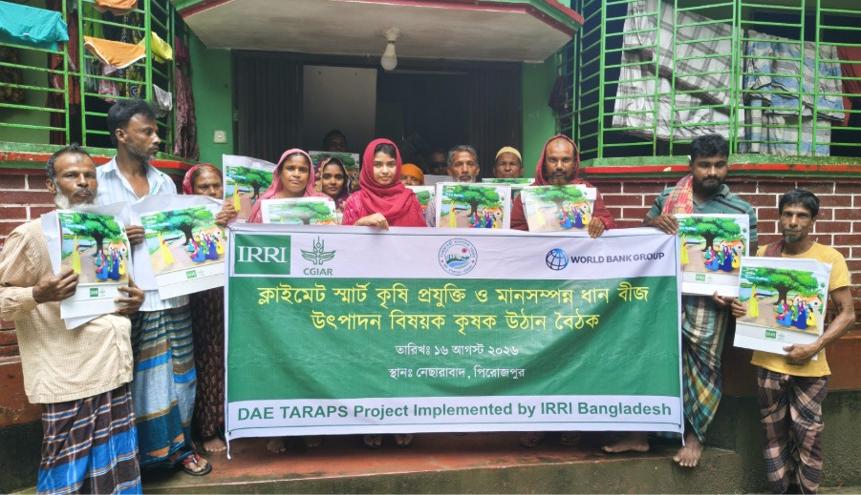
Access to quality seed remains an important challenge for rice farmers in Bangladesh, particularly when they need the right variety at the right time for planting. Building local capacity to produce and manage seeds can give farmers a more reliable source while creating opportunities to strengthen other parts of rice production, including water, labor, and nutrient management.
The International Rice Research Institute (IRRI) and the Department of Agricultural Extension (DAE) are working on this approach through the World Bank supported project, Technical Assistance for Repurposing of Agricultural Public Support Towards a Sustainable Food System Transformation (TARAPS) project, implemented across 15 districts.
The project brings quality seed production together with climate-smart rice technologies, including stress-tolerant varieties, direct-seeded rice (DSR), alternate wetting and drying (AWD), improved nutrient management, and solar-powered irrigation. Alongside learning how to produce and maintain quality seed, farmers are exploring practices that can help make rice production more efficient and better suited to changing conditions.
From quality seed to local seed production
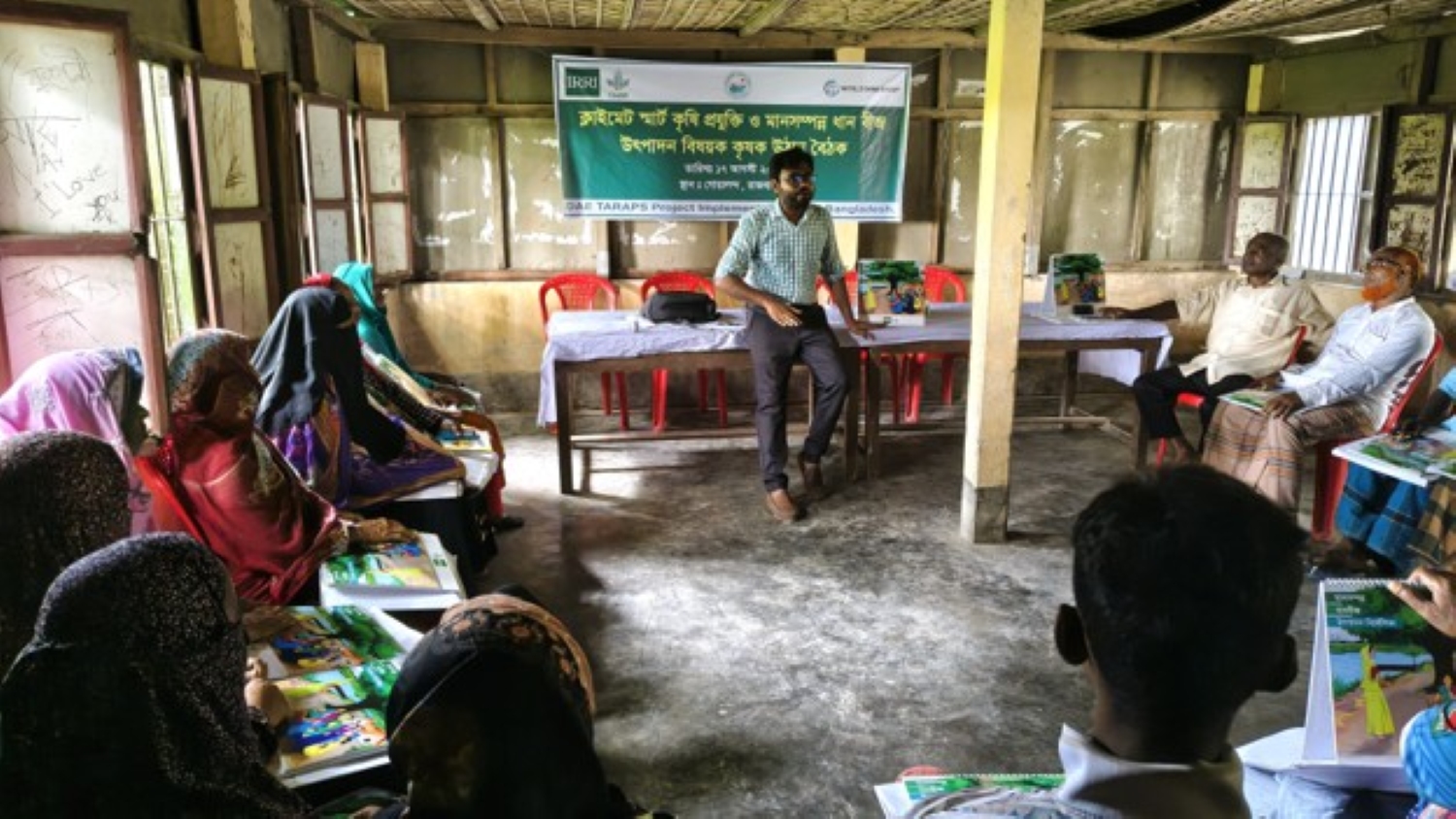
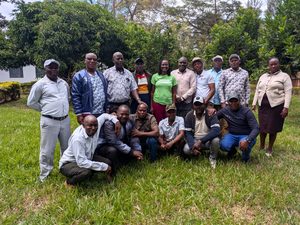
As part of the project, a series of farmers’ meetings were held in Shibganj, Bogura; Tangail Sadar; Cumilla Adarsha Sadar; Nesarabad, Pirojpur; and Goalanda, Rajbari to help farmers strengthen their capacity to produce and manage quality seeds.
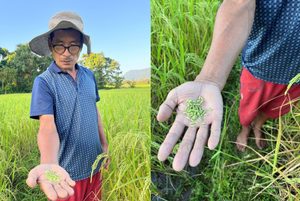
Facilitated by IRRI Research Assistant Shakir Nuruzzaman, the discussion introduced farmers to the different stages of quality rice seed production, from field production and harvesting to processing, packaging, and storage.
This distinction between producing rice for consumption and producing seed for the next crop is important. Seed must retain its genetic and physical quality through production and post-harvest handling. Poor harvesting, processing, or storage can reduce seed quality before it reaches another farmer’s field.
The meetings therefore discussed Quality Seed Production (QSP) of stress-tolerant rice varieties (STRVs) alongside the proposed formation of local Seed Production Groups (SPGs).
The idea is to develop groups of farmers who can collectively build the knowledge and capacity to produce and manage quality seeds. If established effectively, these groups could provide a more local and reliable source of seed while creating opportunities for farmers to participate in the seed value chain.
Connecting seed with climate-smart farming
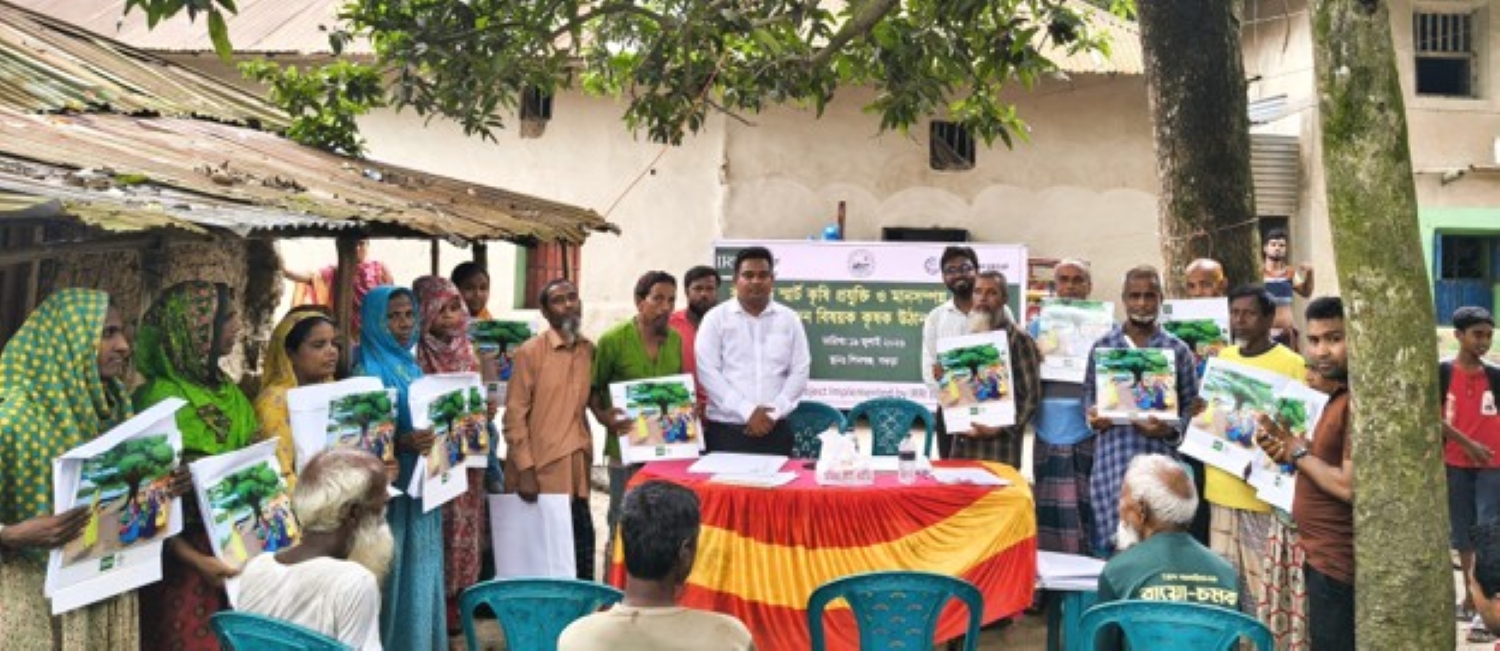
The seed system cannot be separated from the way rice is grown.
Farmers participating in the meetings were also introduced to climate-smart agriculture (CSA) technologies, including climate-resilient rice varieties, direct-seeded rice (DSR), alternate wetting and drying (AWD), nano-fertilizers, urea deep placement (UDP), and solar-powered irrigation.
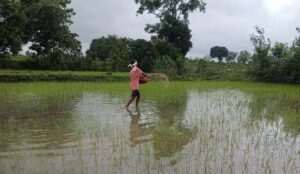
These technologies address different constraints in rice production. For instance, DSR can reduce the labor required for crop establishment, while AWD can help farmers manage irrigation water more efficiently. Improved nutrient management can increase the efficiency of fertilizer applications, while solar-powered irrigation can provide an alternative source of energy for pumping water.
The choice of variety is equally important. Stress-tolerant varieties can help farmers manage specific production risks, but the potential benefits of a variety depend on farmers being able to obtain good-quality seeds and manage the crop appropriately.
This makes seed production part of a broader climate-resilience strategy rather than a stand-alone activity.
Women and youth in the seed business
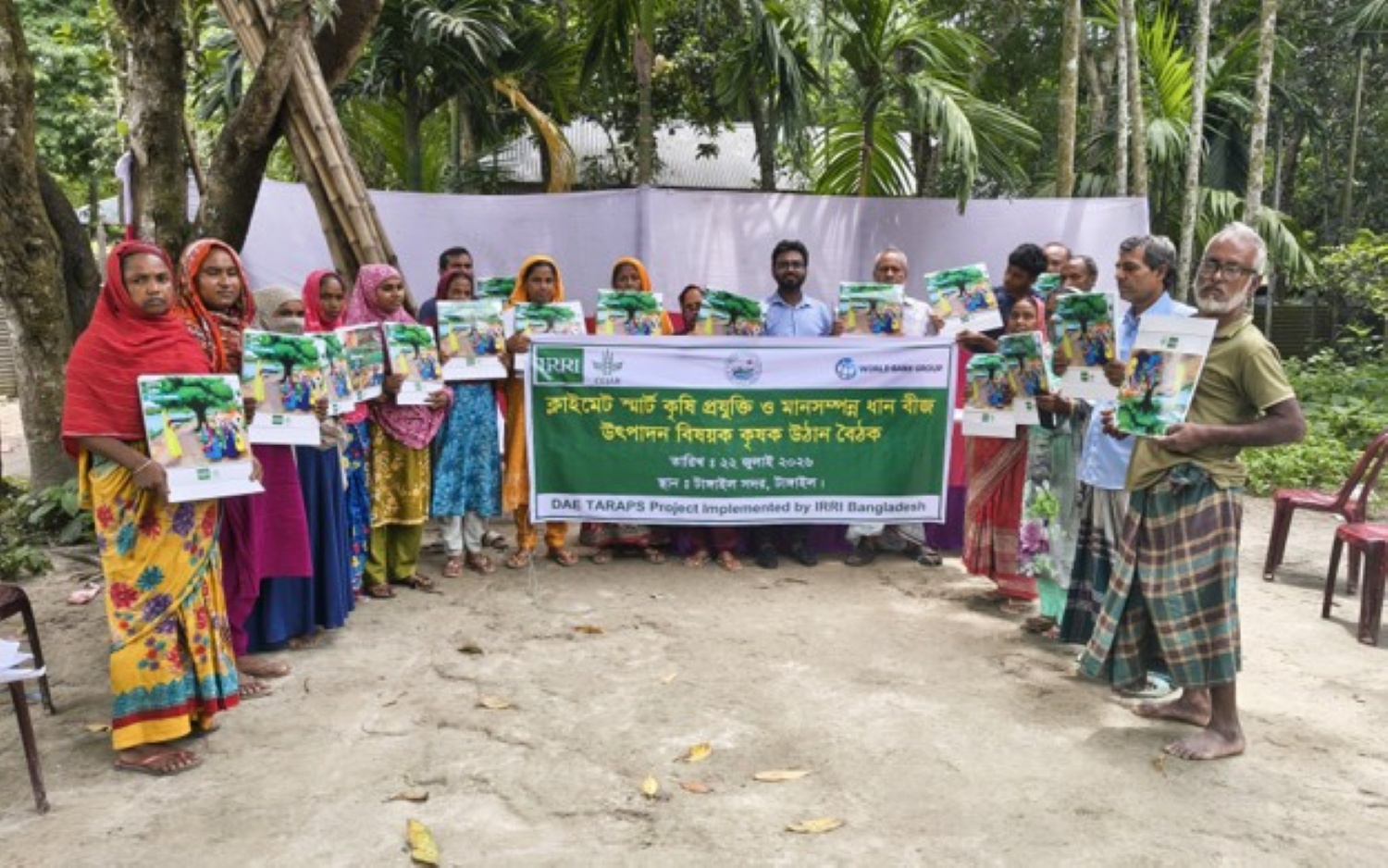
The proposed SPGs also create an opportunity to bring more women and young people into local seed enterprises.
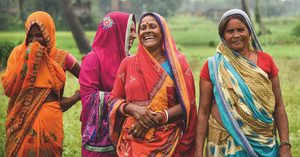
Women already contribute to many activities related to seed selection, processing, storage, and other aspects of agricultural production. Organizing these roles through SPGs could give women greater opportunities for training, decision-making, leadership, and income generation.
Young people can contribute skills that are increasingly relevant to a modern seed enterprise, including digital tools, record keeping, communication, technology use, and entrepreneurship.
For an SPG to function as more than a farmer group, these different skills matter. Producing quality seed requires technical knowledge, but a sustainable local seed enterprise also needs people who can organize production, maintain records, manage storage, connect with buyers, and communicate with farmers.
From farmer meetings to a functioning seed system
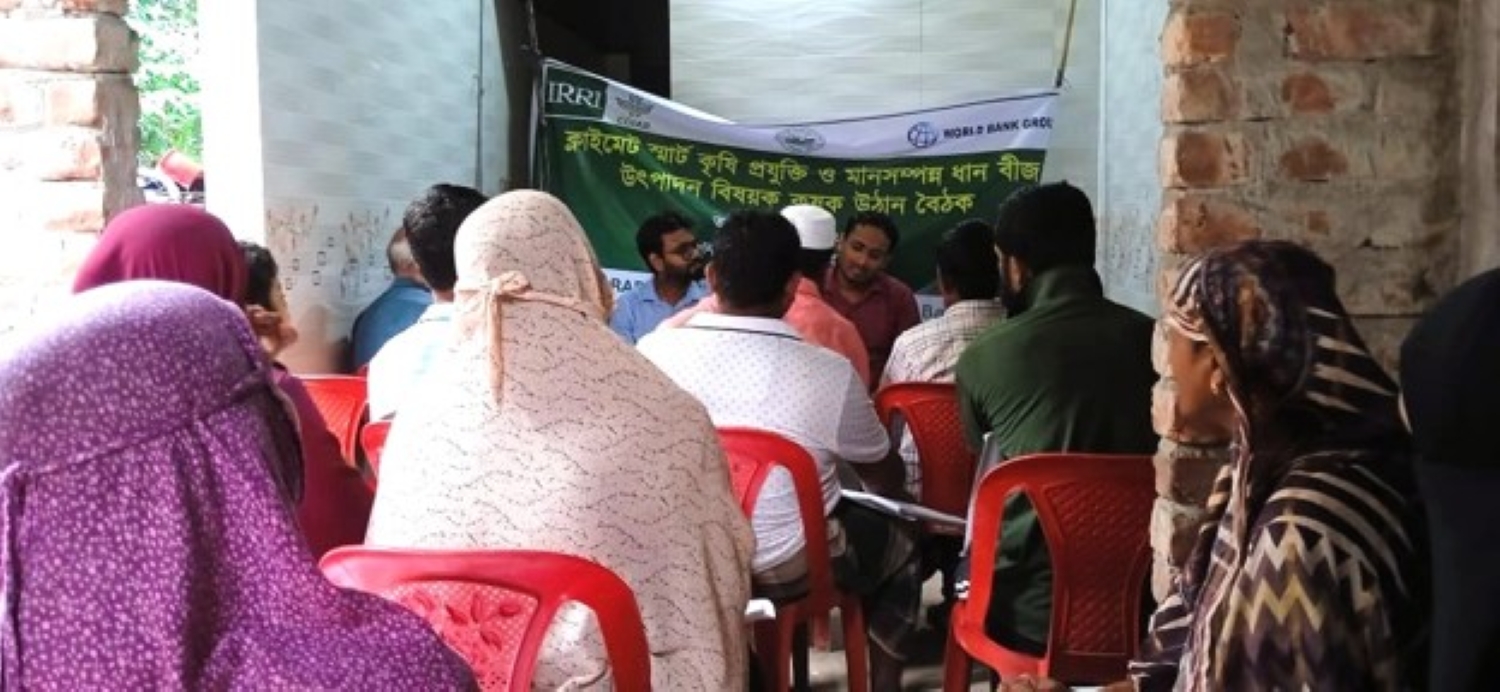
DAE representatives participated in the meetings in each location, linking the discussions with the government extension system. Participants included Md. Razib Hossain, Agricultural Extension Officer, Shibganj; Rumana Aktar, Upazila Agriculture Officer, Tangail Sadar; Md. Nizam Uddin, Upazila Agriculture Officer, Cumilla Adarsha Sadar; Rowshon Sultana, Agricultural Extension Officer, Nesarabad; and Md. Tauhidur Rahman, Agricultural Extension Officer, Goalanda.
The meetings are an initial step toward forming Seed Producer Groups (SPGs) and strengthening community-level seed production. The next test is whether the knowledge gained can translate into functioning groups that consistently produce and manage quality seed.
Under the TARAPS project, IRRI provides scientific and technical expertise, while DAE supports institutional and field-level implementation, with support from the World Bank through the Government of Bangladesh.