Science

The food safety paradox: Why “knowing” isn’t enough to stop foodborne illness in developing countries 

While urban consumers in lower-income countries often have basic food safety awareness, there is a significant “knowledge-practice gap” where this…

Not all whole-grain rice is low glycemic: What new research reveals 

What the new AI-based research is revealing about rice, starch, and glycemic response  Whole-grain rice (brown, red, purple) is not always low glycemic—grain…

Why MRV is the missing link for low‑emission rice in Southeast Asia 

Scaling of low-emission rice practices cannot rely on pilot-based project funding alone; public investment is needed to sustain adoption and crowd in private financial sources.  Attracting climate finance for rice-based methane mitigation…

Why policy and stakeholder support, not just carbon credits, will be critical for low-emission rice adoption 

A season-long randomized-controlled field experiment found that financial rewards had a limited effect on reducing GHG emissions.  The study also revealed that membership in cooperatives…

Big leap or small steps? How relentless rice breeding laid the foundation for modern food security

A new study reveals that the true legacy of the Green Revolution lies not just with one big breakthrough, but in thousands of small advancements over…

Less methane, more rice: How Google’s sustainability initiative could offer a water-positive blueprint for Global South rice farming 

Google’s new gravity drip irrigation pilot showcased how the technology can significantly cut water use and emissions while slightly increasing yields  The proof-of-concept addressed previous barriers such as off-grid power, sediment clogging, and nutrient issues  Through research partners like IRRI, translating this technology to water-scarce Global South regions can make…

Unlocking the nutrient bottleneck: Chemical genetic breakthrough promises more nutritious staple crops to combat hidden hunger 

• Researchers have identified chemicals that block the INO1 enzyme, which produces “anti-nutrient” phytic acid, a natural substance in grains that prevents the body from…

Policies

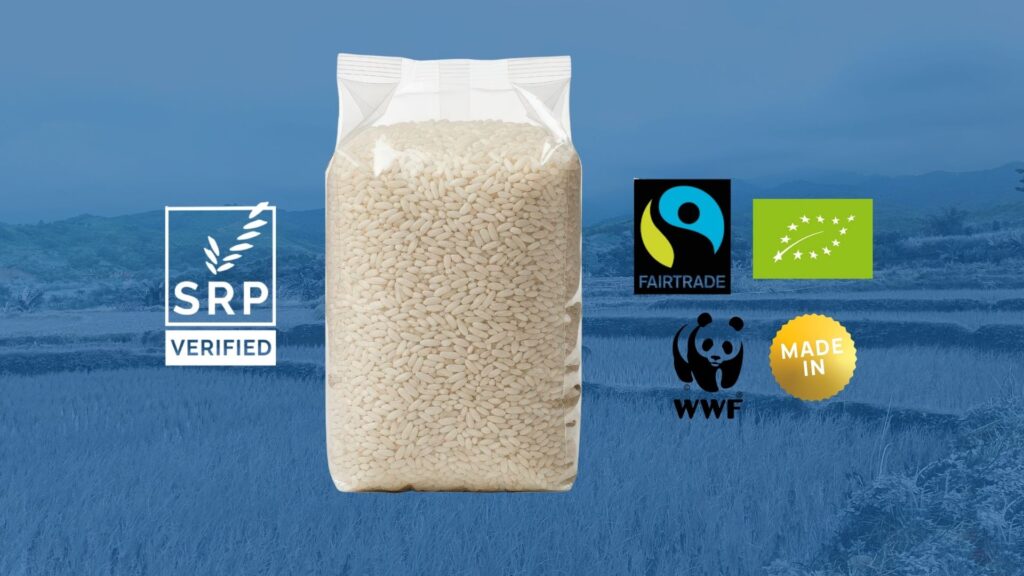
What do rice consumers prefer? Pitting the holistic SRP   stamp against single-issue labels 

A study evaluated the market performance of the Sustainable Rice Platform (SRP) label against established single-issue certifications like Organic, Fairtrade,…

The food safety paradox: Why “knowing” isn’t enough to stop foodborne illness in developing countries 

While urban consumers in lower-income countries often have basic food safety awareness, there is a significant “knowledge-practice gap” where this…

Dr. Arabinda Kumar Padhee, architect of Odisha’s agricultural renaissance 

During his tenure as Principal Secretary of DA&FE, Dr. Padhee positioned Odisha as a global model for science-led, climate-resilient, and gender-responsive agriculture  He…

We Have The Evidence. Now We Need The Action.

Each year on International Women’s Day, we celebrate the achievements of women and renew commitments to gender equality. But the…

Empowering women for climate-resilient agriculture: Four case studies from India

Agricultural innovations are most effective for women when bundled with social and institutional support  In these case studies, women were able to transition from being mere laborers into actors and decision-makers   To avoid unforeseen risks, bundled…

Different farmers, different needs: Rethinking Uganda’s rice seed systems  

In Uganda’s rice seed systems, information access and trait preferences are deeply divided by gender and age among smallholder men, women, and…

Simple science with big impact: The low-cost hermetic storage technology that can boost incomes for smallholder farmers 

Up to 30% of harvested grain can be lost due to inadequate storage  A new study showed that post-harvest losses…

Partnerships

Why MRV is the missing link for low‑emission rice in Southeast Asia 

Scaling of low-emission rice practices cannot rely on pilot-based project funding alone; public investment is needed to sustain adoption and crowd in private financial sources.  Attracting climate finance for rice-based methane mitigation…

Dr. Arabinda Kumar Padhee, architect of Odisha’s agricultural renaissance 

During his tenure as Principal Secretary of DA&FE, Dr. Padhee positioned Odisha as a global model for science-led, climate-resilient, and gender-responsive agriculture  He…

Operationalizing complexity: Why global food security demands a deeper commitment to systems thinking

• Agricultural research often treats food system problems as simple technical hurdles, relying on linear, mechanistic models that fail to address non-linear, complex realities …

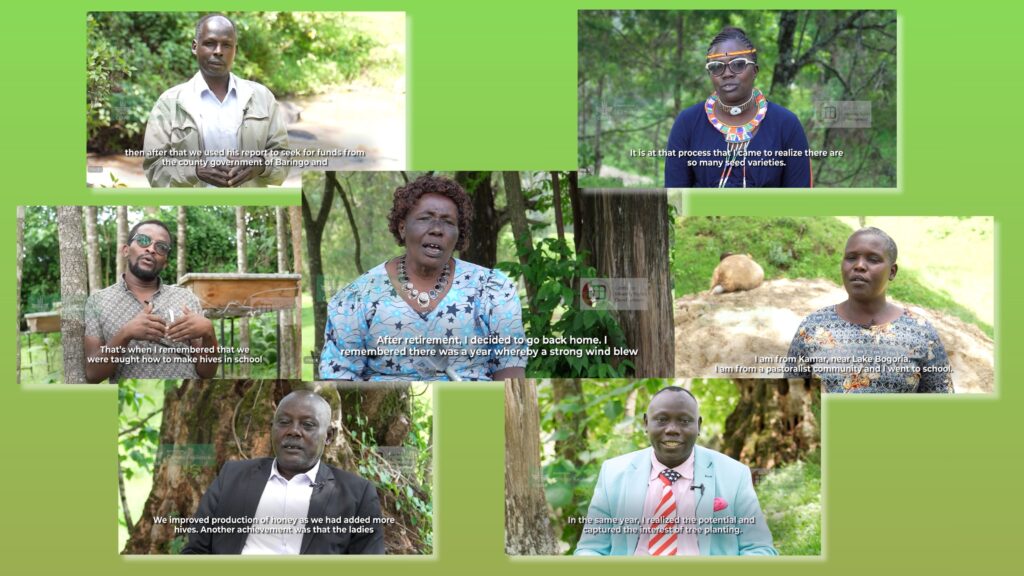
Voices of Change: How Indigenous storytelling is helping shape global climate policy

By Glenn Concepcion  As the climate crisis intensifies, the communities least responsible for global emissions are often the ones facing…

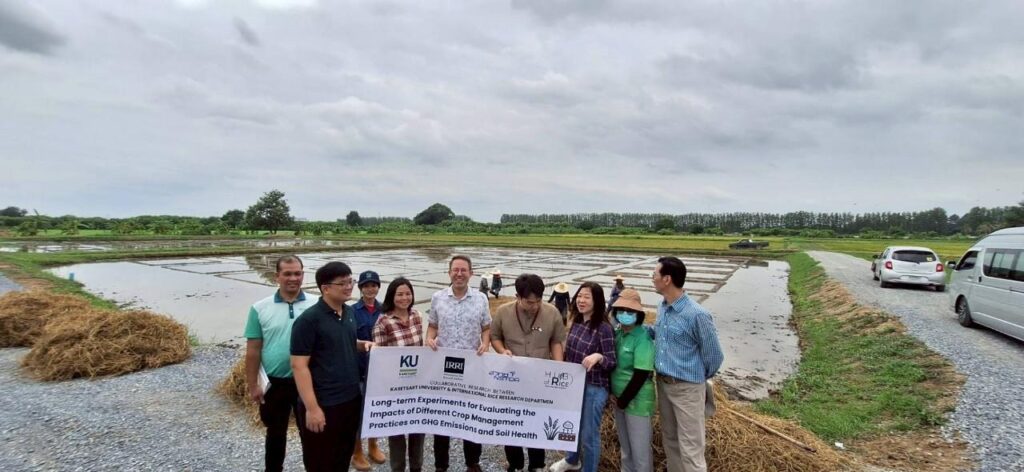
A season in Thai Rice: From climate-smart plans to muddy realities 

By Christian Dohrmann  Climate-smart rice starts with good intentions, but the methods have to survive real fields, real weather, and real mud. This story…

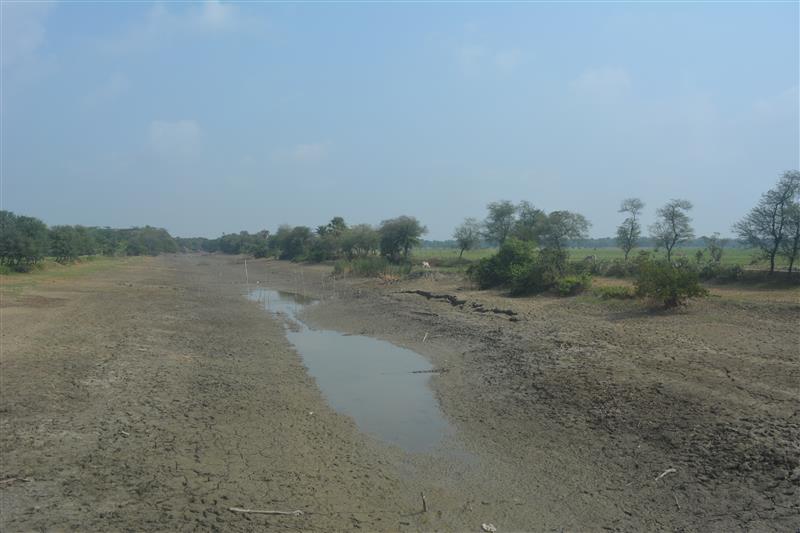
Bangladesh’s coastal polders at a crossroads: Reform needed for water management 

By Bushra Humaira Sadaf   In Bangladesh’s coastal districts, millions of people depend on a network of polders, embankments, canals, and sluice gates…

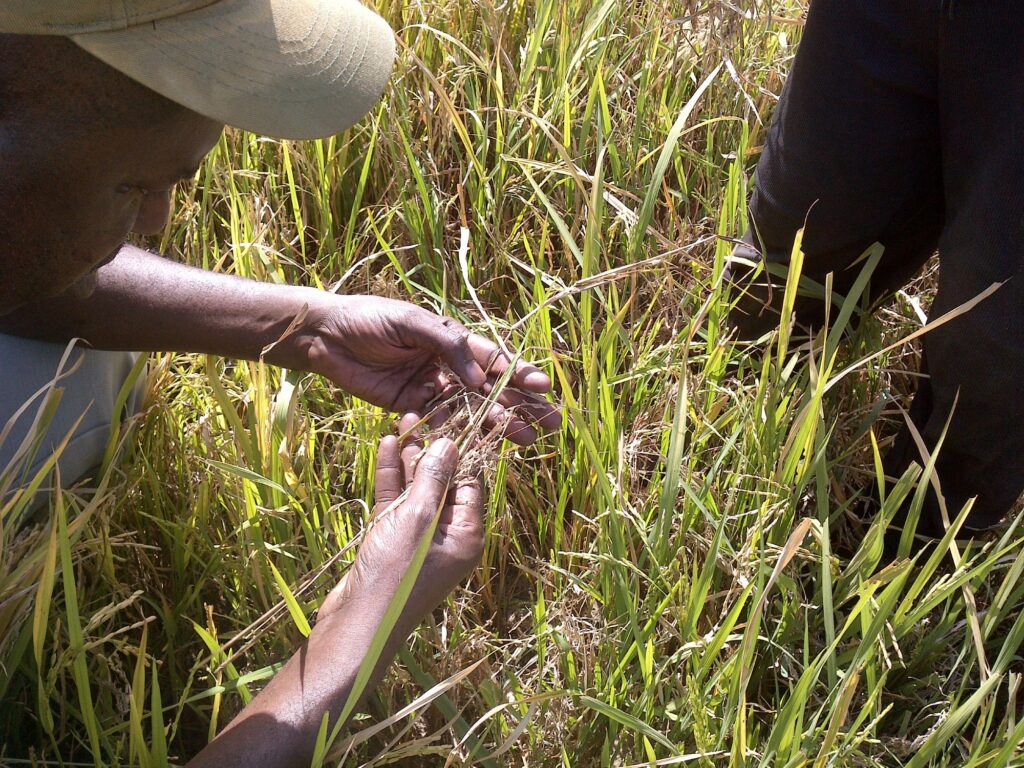
COP30 can enable Greening Plant Nutrition in East and Southern Africa

By Jamie Males (republished from the original PLOS Blog article) Image creditAfrica rice farming by majimazuri21, Pixabay Licence In this blog post,…

Opinion

What do rice consumers prefer? Pitting the holistic SRP   stamp against single-issue labels 

A study evaluated the market performance of the Sustainable Rice Platform (SRP) label against established single-issue certifications like Organic, Fairtrade,…

Dr. Arabinda Kumar Padhee, architect of Odisha’s agricultural renaissance 

During his tenure as Principal Secretary of DA&FE, Dr. Padhee positioned Odisha as a global model for science-led, climate-resilient, and gender-responsive agriculture  He…

We Have The Evidence. Now We Need The Action.

Each year on International Women’s Day, we celebrate the achievements of women and renew commitments to gender equality. But the…

Less methane, more rice: How Google’s sustainability initiative could offer a water-positive blueprint for Global South rice farming 

Google’s new gravity drip irrigation pilot showcased how the technology can significantly cut water use and emissions while slightly increasing yields  The proof-of-concept addressed previous barriers such as off-grid power, sediment clogging, and nutrient issues  Through research partners like IRRI, translating this technology to water-scarce Global South regions can make…

Will AI data center expansion increase water stress in rice systems? 

Rice systems in the Global South are highly water-intensive and already stressed by groundwater overuse, climate change, and rising irrigation…

Unlocking the nutrient bottleneck: Chemical genetic breakthrough promises more nutritious staple crops to combat hidden hunger 

• Researchers have identified chemicals that block the INO1 enzyme, which produces “anti-nutrient” phytic acid, a natural substance in grains that prevents the body from…

Operationalizing complexity: Why global food security demands a deeper commitment to systems thinking

• Agricultural research often treats food system problems as simple technical hurdles, relying on linear, mechanistic models that fail to address non-linear, complex realities …

Maps

Leveraging Satellite Technology in Senegal’s Rice Regions for National Food and Economic Security

In the Senegal River Valley (SRV) region, rice is primarily cultivated by smallholder farmers under irrigated ecosystems. The crop plays…

Rice-fallow targeting for cropping intensification through geospatial technologies in the rice belt of Northeast India

by Amit Kumar Srivastava, Suranjana Bhaswati Borah, Payel Ghosh Dastidar et al. Around 80% of India’s rice production is from…

New study shows informed decisions can minimize the impacts of adverse weather on farmers and rice production in Tanzania’s floodplains

by Veronica Mae Escarez Scientists from the Sokoine University of Agriculture, the University of Copenhagen, the Tanzania Agricultural Research Institute,…

Variety-based climate-smart intervention helps smallholder farmers cope with floods in the lowlands of Odisha

by Mosharaf Hossain, Swati Nayak, Girija Swain, Pavan Yeggina, and Mukund Variar Natural calamities, primarily floods, of varying intensity adversely…

Mapping and monitoring the rice crop in Vietnam: Experience using RIICE technologies

Remote sensing based Information and Insurance for Crops in emerging Economies (RIICE) has been applied over main rice production areas;…

RICA: A rice crop calendar for Asia based on MODIS multi-year data

Crop calendars report the timing of key agricultural activities and crop development. At their most detailed, crop calendars can support…

Using Sentinel-1, Sentinel-2, and Planet imagery to map crop type of smallholder farms

In this study, we used radial kernel support vector machine (SVM) to map the crop types of smallholder farms in…

Culture

The food safety paradox: Why “knowing” isn’t enough to stop foodborne illness in developing countries 

While urban consumers in lower-income countries often have basic food safety awareness, there is a significant “knowledge-practice gap” where this…

Dr. Arabinda Kumar Padhee, architect of Odisha’s agricultural renaissance 

During his tenure as Principal Secretary of DA&FE, Dr. Padhee positioned Odisha as a global model for science-led, climate-resilient, and gender-responsive agriculture  He…

We Have The Evidence. Now We Need The Action.

Each year on International Women’s Day, we celebrate the achievements of women and renew commitments to gender equality. But the…

How a digital tool can help influence food choices and decode dietary behavior 

By Glenn Concepcion As the global population marches toward an estimated 10 billion by 2050, the EAT-Lancet Commission has called for…

IRRI researcher pens children’s book about his journey to becoming a plant scientist 

By Glenn Concepcion  “Science begins with curiosity — a seed that grows when we start asking why.”– Tiozon, 2025 You…

Trust before change: Inside Thailand’s rice farming communities 

By Christian Dohrmann This year, Thailand and the International Rice Research Institute (IRRI) have embarked on a journey toward improving…

Positioning healthier rice varieties in Odisha for market demand and farmer income 

In western Odisha, farmer groups and women’s self-help groups are taking the lead in bringing a range of healthier rice…