- IRRI facilitated a South-South knowledge exchange in Tanzania, where Bangladesh’s agricultural seed agency, BADC, learned from Tanzania’s experience using SeedCast for seed-demand forecasting and supply planning.
- The Tanzania experience highlighted the importance of institutional coordination, with research, certification, extension, seed producers, dealers, and farmers contributing to a more data-driven and responsive seed system.
- BADC will use lessons from Tanzania to adapt and scale SeedCast in Bangladesh, strengthening demand–supply coordination and helping quality seed of improved varieties reach farmers more efficiently.
By Swati Nayak, Sk Mosharaf Hossain, Muhammad Ashraful Habib, Ndomondo, Martin, and Ajay Panchbhai , Myrtel Anne Valenzuela
That is the challenge SeedCast is designed to address.
SeedCast is a digital platform that uses data to forecast seed demand by variety and location. The forecasts can support decisions on seed production, procurement, distribution, and supply, helping to ensure quality seed reaches farmers when they need it.
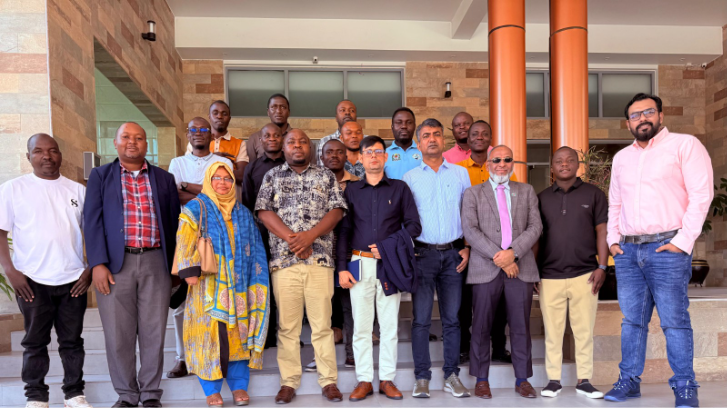
In September 2026, IRRI brought together seed-system experts from Bangladesh and Tanzania for a South-South learning exchange on SeedCast. The exchange coincided with the United Nations’ observance of South-South and Triangular Cooperation and gave Bangladesh’s seed agency, the Bangladesh Agricultural Development Corporation (BADC), an opportunity to learn from Tanzania’s experience in implementing and scaling the platform.
The Bangladesh delegation was led by Dr. Ripon Kumar Sikder, Deputy Program Director (Seed); Dr. Mohammad Akikul Islam, Deputy Director (S.M.); and Mst. Jaitun Naher, Deputy Manager (SD).
The exchange was led by Dr. Swati Nayak, IRRI South Asia Seed Systems Lead and project lead for SeedCast in Bangladesh, with support from Dr. Sk Mosharaf Hossain and Dr. Muhammad Ashraful Habib from the South Asia team, and Dr. Ajay Panchbhai and Mr. Martin Ndomondo from IRRI’s East and Southern Africa team.
Learning from Tanzania’s seed system
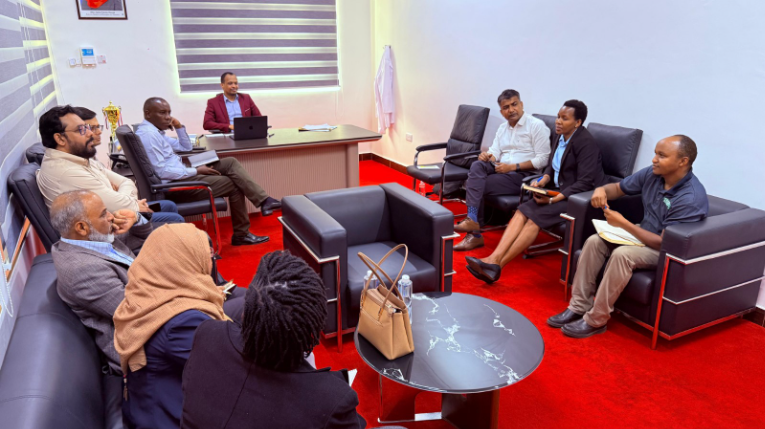
The delegation visited field and institutional sites in Mbeya and Morogoro, meeting agricultural and extension officials, researchers, seed certification authorities, seed dealers, and farmers.
The visits highlighted the importance of coordination across the seed system. The Tanzania Agricultural Research Institute (TARI) leads agricultural research and varietal development, while the Tanzania Official Seed Certification Institute (TOSCI) supports variety evaluation, seed certification, and quality control. Seed producers, dealers, extension workers, and farmers also contribute to the information needed for seed planning.
SeedCast adds a digital layer that connects local demand information with institutions responsible for seed production, distribution, and decision-making.
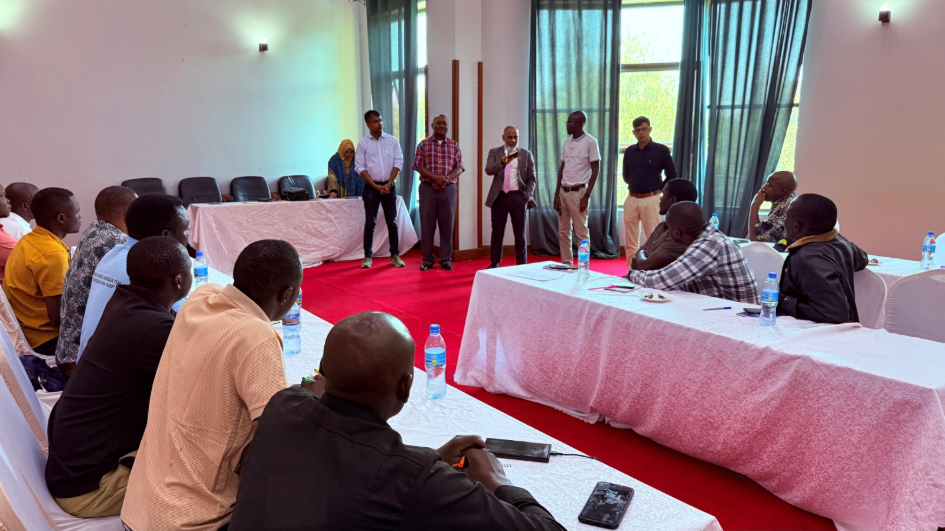
For the Bangladesh delegation, seeing these connections in practice provided insights beyond the technology itself. The exchange showed how data quality, institutional ownership, stakeholder engagement, validation, and user capacity all influence whether forecasts can translate into better seed planning.
“We were impressed by SeedCast’s ability to aggregate local seed demand, improve demand–supply coordination, provide varietal information, and support evidence-based planning. The experience will be highly useful for developing a suitable implementation pathway for Bangladesh,” said Dr. Ripon Sikder, Deputy Program Director (Seeds), BADC.
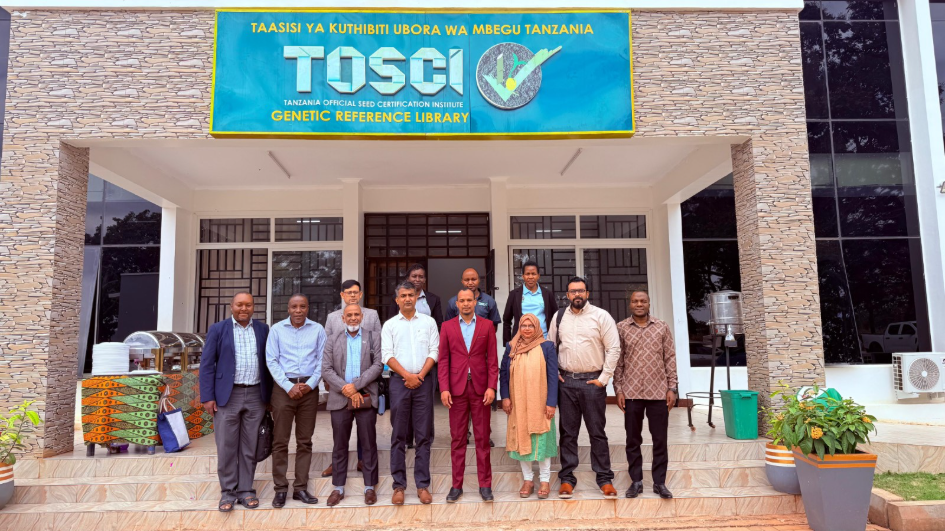
Tanzanian stakeholders also highlighted the value of strengthening digital tools within the seed system.
“I am happy that SeedCast is piloted in Mbeya. This digital innovation will surely help our seed system stakeholders,” said Saidi Juma Maditto, Mbeya Regional Assistant Administrative Secretary.
“SeedCast can help strengthen seed inventory management by providing better information for planning and decision-making across the seed system,” said Stanford Chijenga, Corporate Service Director, TOSCI.
From forecasting to better decisions
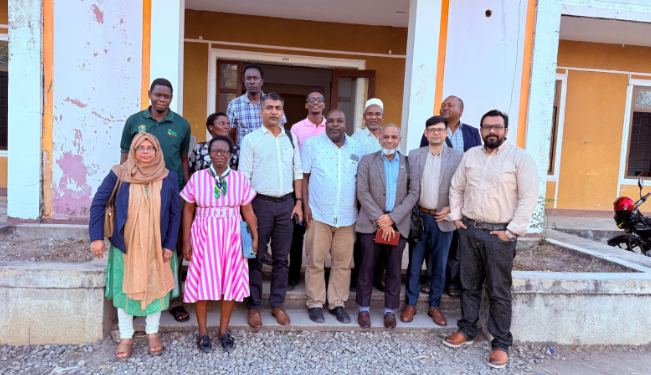
Seed demand estimation often draws on information from multiple channels, making it difficult to consolidate and use for timely planning. SeedCast brings these data together to generate variety- and location-specific forecasts ahead of the planting season.
By linking demand, varietal, and supply information, the platform can inform decisions on seed production, procurement, allocation, distribution, and deployment of priority varieties.
The Tanzania experience also showed that technology alone is not enough. Its value depends on how effectively the platform is embedded within the institutions, policies, and processes that turn information into action.
For BADC, this provides a useful reference as Bangladesh develops its own approach. Rather than replicating Tanzania’s system, the aim is to identify what can be adapted to Bangladesh’s institutional structure, production systems, scale, and decision-making processes.
“The learning visit and knowledge exchange is not simply about seeing a digital application and its operation. It is primarily about understanding the institutional and policy ecosystem, and the convergence required to turn data into better seed-system decisions in a more systemic and sustained manner,” said Dr. Swati Nayak.
“It is about institutionalizing the tool at the core of the country’s seed and policy ecosystem, led and owned by BADC and the Government of Bangladesh,” she added.
Building a pathway for Bangladesh
The exchange highlighted the need for stronger coordination across research, certification, extension, seed production, distribution, and farmer demand. For Bangladesh, the next step is to strengthen these connections, including the flow of data between demand forecasting and seed supply planning.
The broader opportunity is to make seed planning more responsive: using better data to anticipate farmers’ needs and help the institutions responsible for producing and delivering seed act earlier.
Tanzania provides a practical starting point. Bangladesh now has an opportunity to shape SeedCast around its own seed system and build the institutional foundations needed to make it useful at scale.
Dr. Ajay Panchbhai, Africa Regional Lead – Breeding, Seed Systems and Product Management IRRI.
Email: a.panchbhai@cgiar.org;
Martin Ndomondo,Senior Specialist, Seed Systems and Product Management, , IRRI. Email: m.ndomondo@cgiar.
Dr. Swati Nayak, Scientist -II, South Asia Lead, Seed Systems and Product Management & India Country Manager (Interim), IRRI. Email: s.nayak@cgiar.org;
Dr. Sk Mosharraf Hossain, Scientist-I, Seed Systems and Product Management, , IRRI. Email: s.hossain@cgiar.org ;
Dr. Muhammad Ashraful Habib, Lead Specialist – Seed System & Product Management, IRRI Bangladesh. Email: m.habib@cgiar.org;